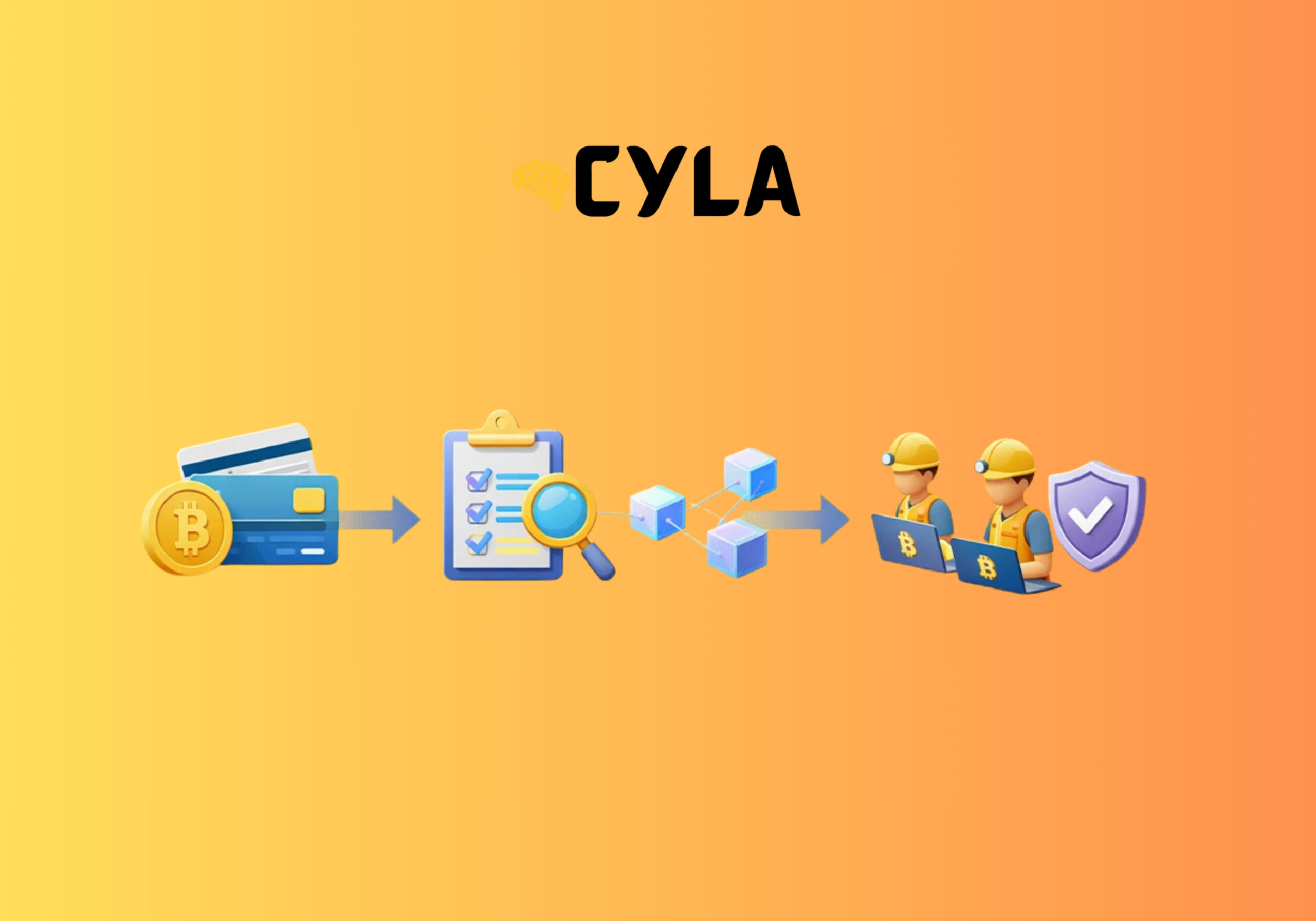
Ever sent Bitcoin, Ethereum, USDT, or another cryptocurrency and wondered what happens after you click “Send”?
Your funds leave your wallet, but they don’t instantly appear in the recipient’s account. Instead, the transaction goes through a verification process that ensures the transfer is legitimate, secure, and permanently recorded on the blockchain.
Understanding how a crypto transaction is verified on a blockchain network is essential for anyone using cryptocurrency. Whether you’re sending Bitcoin to a friend, receiving payments from abroad, or cashing out crypto in Nigeria, knowing how verification works helps you avoid mistakes and understand why transactions sometimes take longer than expected.
In this guide, you’ll learn:
- How crypto transaction verification works
- What happens after you send cryptocurrency
- The role of nodes, miners, and validators
- Why blockchain verification is important
- How long verification takes
- Common reasons transactions get delayed
- How to check your transaction status
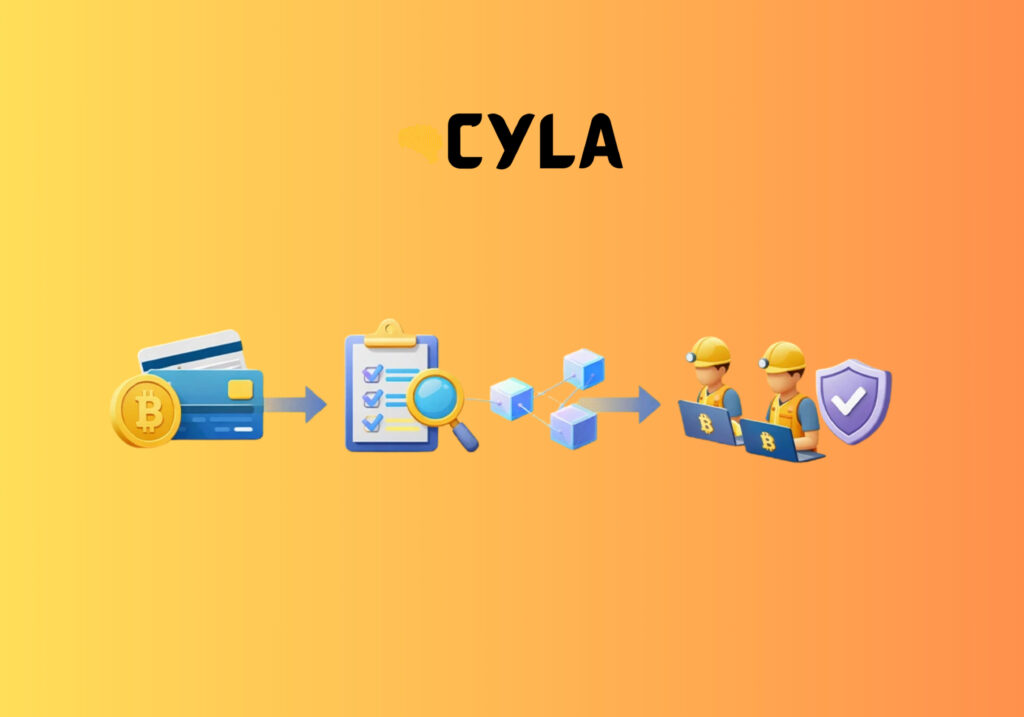
How Is a Crypto Transaction Verified? (Quick Answer)
A crypto transaction is verified when a network of computers confirms that:
- The sender owns the cryptocurrency
- The sender has enough funds
- The transaction follows network rules
- The cryptocurrency has not already been spent elsewhere
Once verified, the transaction is added to a block and permanently recorded on the blockchain.
Unlike traditional banking systems, no central authority approves the transaction. Instead, decentralized nodes, miners, or validators work together to reach consensus.
What Does Transaction Verification Mean in Cryptocurrency?
In traditional banking, your bank verifies transactions before money moves.
Cryptocurrency works differently.
There is no bank, government, or payment processor controlling the network. Instead, thousands of computers worldwide collaborate to verify transactions independently.
This process prevents fraud and solves one of the biggest challenges in digital money:
The Double-Spending Problem
Without verification, someone could attempt to spend the same cryptocurrency twice.
For example:
- Send 1 BTC to Person A
- Send the same 1 BTC to Person B
Blockchain verification ensures only one valid transaction can be confirmed.
As a result, every user can trust the system without relying on a central authority.
For a deeper understanding of blockchain transaction costs, read our guide on What Are Gas Fees in Crypto and Why You Have to Pay Them.
Why Crypto Transaction Verification Is Important
Transaction verification serves several critical purposes.
Prevents Fraud
Verification ensures users cannot spend funds they do not own.
Maintains Blockchain Security
Every verified transaction strengthens the integrity of the network.
Protects Against Double Spending
The blockchain checks transaction history before approving transfers.
Creates Permanent Records
Once confirmed, transactions become part of an immutable ledger that anyone can verify.
Therefore, transaction verification is one of the most important features that makes cryptocurrency trustworthy.
Step-by-Step: How a Crypto Transaction Is Verified on a Blockchain Network
Let’s walk through exactly what happens behind the scenes.
Step 1: The Crypto Transaction Is Created and Digitally Signed
Every crypto wallet contains two keys:
| Key Type | Purpose |
|---|---|
| Public Key | Similar to a bank account number |
| Private Key | Similar to a secret password or PIN |
When you send cryptocurrency, your wallet uses your private key to create a digital signature.
This signature proves:
- You own the funds
- You authorized the transaction
- The transaction has not been altered
Importantly, your private key remains hidden throughout the process.
Step 2: The Transaction Is Broadcast to the Network
After signing, your wallet sends the transaction to nearby blockchain nodes.
Nodes are computers that maintain copies of the blockchain and validate transactions.
Within seconds, the transaction spreads across thousands of computers globally.
As a result, the entire network becomes aware of the pending transaction.
Step 3: Nodes Verify the Transaction Details
Before accepting the transaction, nodes perform several checks.
They verify:
- The digital signature is valid
- The sender owns the funds
- The sender has sufficient balance
- The transaction follows network rules
- The funds have not been spent previously
If any check fails, the transaction is rejected immediately.
Consequently, invalid or fraudulent transactions never reach the blockchain.
Step 4: The Transaction Enters the Mempool
Once verified by nodes, the transaction enters the mempool.
The mempool acts as a waiting area for valid but unconfirmed transactions.
Think of it as an airport departure lounge.
Every verified transaction waits there until miners or validators select it for inclusion in a block.
During periods of heavy activity, transactions with higher fees are often prioritized.
This is why understanding gas fees matters.
You can learn more in our guide on What Are Gas Fees in Crypto?
Step 5: Miners or Validators Select the Transaction
At this stage, miners or validators choose transactions from the mempool.
Their selection is usually based on:
- Transaction fees
- Network rules
- Available block space
Generally, transactions offering higher fees are confirmed more quickly.
Therefore, users who want faster processing often choose higher network fees.
Step 6: The Transaction Is Added to a Block
Once selected, the transaction becomes part of a newly created block.
The block contains:
- Multiple verified transactions
- A timestamp
- A cryptographic reference to the previous block
Because each block links to the one before it, altering historical records becomes extremely difficult.
This structure is what creates blockchain security.
Step 7: The Block Is Added to the Blockchain
After the block is validated through the network’s consensus mechanism, it is added permanently to the blockchain.
Every node updates its copy of the ledger.
At this point:
✅ The transaction is confirmed
✅ The recipient receives the funds
✅ The transaction becomes practically irreversible
✅ The blockchain record becomes permanent
The verification process is complete.
How Long Does Crypto Transaction Verification Take?
Verification times vary depending on the blockchain network.
| Blockchain | Average Block Time | Typical Confirmation Time |
|---|---|---|
| Bitcoin | ~10 minutes | 10–60 minutes |
| Ethereum | ~12 seconds | A few minutes |
| Solana | <1 second | Near instant |
| XRP | 3–5 seconds | Seconds |
| BNB Chain | ~3 seconds | Seconds |
| TRON | ~3 seconds | Seconds |
Although transactions can appear quickly, some platforms wait for multiple confirmations before crediting funds.
What Affects Crypto Transaction Verification Speed?
Several factors influence verification times.
Network Congestion
When many users send transactions simultaneously, the network becomes congested.
Consequently, confirmation times increase.
Transaction Fees
Higher fees generally result in faster confirmations because miners and validators prioritize those transactions.
Blockchain Design
Different blockchains process transactions at different speeds.
For example:
- Bitcoin prioritizes security
- Solana prioritizes speed
- Ethereum balances both
As a result, confirmation times vary significantly across networks.
Common Crypto Transaction Verification Problems
Why Is My Crypto Transaction Pending?
The most common reason is a low transaction fee.
When fees are too low, miners may prioritize other transactions first.
Why Is My Crypto Transaction Taking So Long?
Possible causes include:
- Network congestion
- Insufficient fees
- Temporary blockchain issues
- High transaction volume
Can a Crypto Transaction Fail?
Yes.
If a transaction remains unconfirmed for too long, some nodes may remove it from the mempool.
When this happens, the funds typically return to the sender’s wallet.
How to Fix a Stuck Crypto Transaction
If your transaction is pending for an unusually long time, several solutions may help.
Replace-by-Fee (RBF)
Some wallets allow you to resend the same transaction with a higher fee.
As a result, miners are more likely to process it quickly.
Child Pays for Parent (CPFP)
This method creates a second transaction with a higher fee that incentivizes miners to process both transactions together.
Wait for Network Activity to Decrease
Sometimes the simplest solution is patience.
When congestion drops, pending transactions often confirm automatically.
How to Check If a Crypto Transaction Has Been Verified
The easiest way to verify a transaction is with a blockchain explorer.
Simply:
- Copy the transaction hash (TXID)
- Open a blockchain explorer
- Paste the TXID into the search bar
- Review confirmation details
You’ll see:
- Confirmation count
- Transaction status
- Sender address
- Recipient address
- Transaction fees
- Timestamp
For a full walkthrough, read our guide on How to Use a Blockchain Explorer to Confirm Transactions.
Frequently Asked Questions (FAQs)
How is a crypto transaction verified?
A crypto transaction is verified by nodes, miners, or validators that confirm the transaction is legitimate and follows blockchain rules before adding it to a block.
Can a crypto transaction be reversed after verification?
No. Once confirmed and permanently recorded on the blockchain, transactions are generally irreversible.
How many confirmations does Bitcoin need?
Most exchanges and platforms consider six confirmations to be highly secure.
Why is my crypto transaction still pending?
The most common causes are low transaction fees or network congestion.
What happens if I send crypto to the wrong wallet address?
Blockchain transactions cannot usually be reversed. Always verify addresses carefully before sending funds.
What is a mempool in crypto?
A mempool is a temporary waiting area where valid but unconfirmed transactions are stored before being added to a block.
How can I verify a crypto transaction myself?
Use a blockchain explorer and search for the transaction hash (TXID) to view confirmation details.
Final Thoughts: How Crypto Transaction Verification Works
Crypto transaction verification may seem complex at first, but the underlying principle is simple.
Thousands of independent computers work together to confirm transactions, prevent fraud, and maintain a secure record of ownership.
From digital signatures and node validation to mempool processing and block confirmations, every step exists to ensure the integrity of the blockchain.
Understanding how a crypto transaction is verified on a blockchain network helps you use cryptocurrency more confidently, troubleshoot delays, and verify payments independently.
The next time you click “Send,” you’ll know exactly what’s happening behind the scenes.
Ready to Cyla?
Convert crypto to cash instantly. Join 100,000+ users making crypto spendable anytime.