Category: Crypto

  • Crypto vs Forex Trading in Nigeria (2026): Key Differences, Risks & Which Is Better for You

    Crypto vs Forex Trading in Nigeria (2026): Key Differences, Risks & Which Is Better for You

    Crypto and forex. Two trading markets. Both promise profit. Both carry risk. Yet most Nigerians still confuse the two — or simply pick one without understanding why.

    If you have ever wondered whether crypto trading or forex trading suits you better, this guide gives you a direct, honest answer. Specifically, we compare both markets across seven key dimensions: what they are, market hours, volatility, regulation, liquidity, costs, and suitability for Nigerian traders. Furthermore, we explain exactly how to convert your crypto profits to Naira instantly once you start winning.
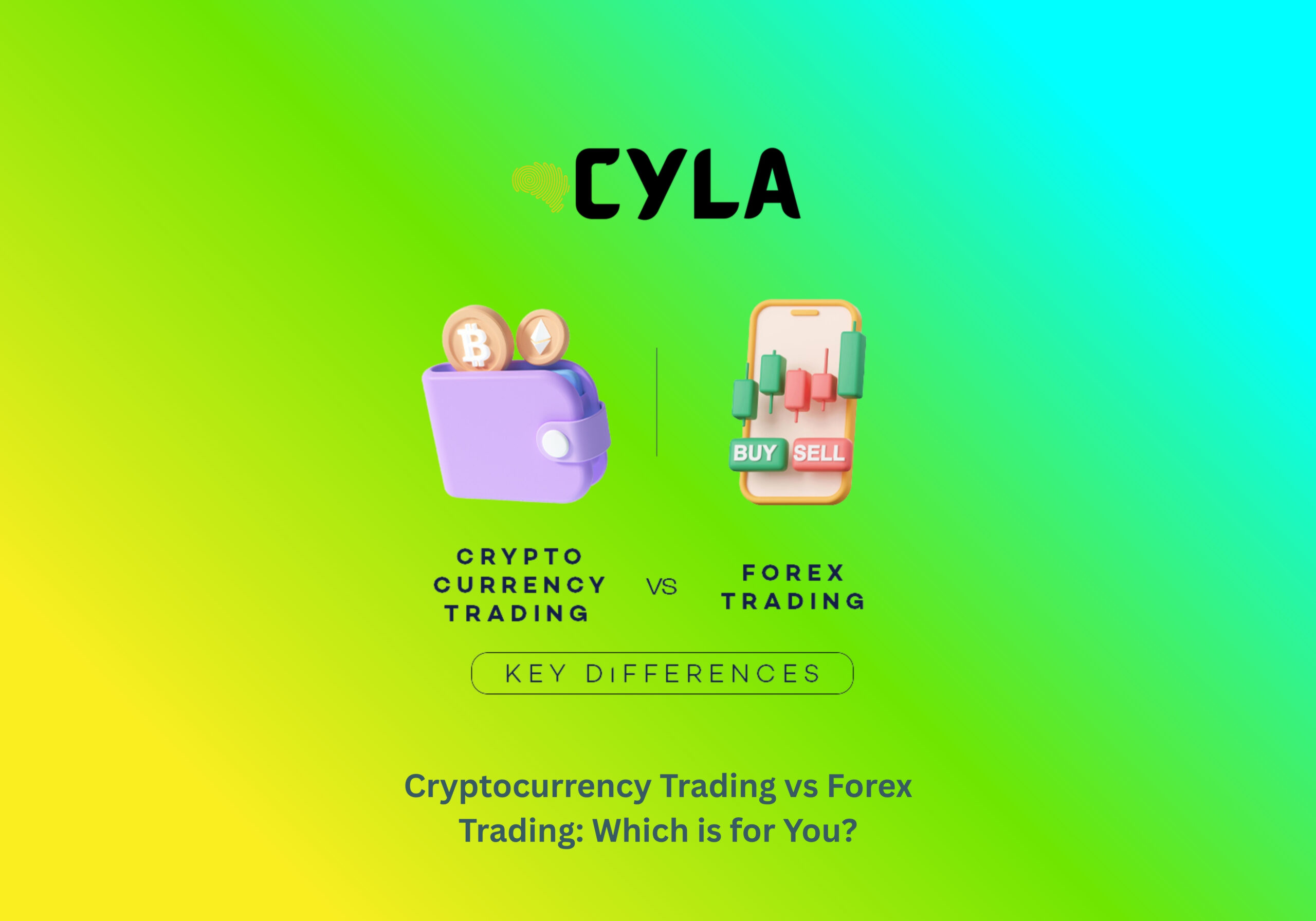
    cryptocurrency-trading-vs-forex-trading

    By the end of this article, you will know which market fits your personality, schedule, and risk appetite — and how to get started confidently.

    Overview: What Is Crypto Trading vs Forex Trading?

    Before comparing the two markets, it helps to understand exactly what each one involves. Although they share similarities on the surface, they operate in fundamentally different ways.

    What Is Crypto Trading?

    Crypto trading means buying and selling digital currencies — such as Bitcoin (BTC), Ethereum (ETH), Solana (SOL), and thousands of others — on decentralised or centralised exchanges. Unlike traditional financial systems, no single bank or government controls the crypto market. Instead, prices move based on blockchain data, social sentiment, news events, and large institutional trades.

    As a result, the crypto market stays open 24 hours a day, 7 days a week, 365 days a year. There are no closing bells and no weekends off. Consequently, opportunities — and risks — can arise at any hour.

    What Is Forex Trading?

    Forex trading, short for foreign exchange trading, involves swapping one government-issued currency for another. For example, you might trade EUR/USD (Euro against US Dollar) or GBP/JPY (British Pound against Japanese Yen) through a regulated broker connected to major banks.

    The forex market is the largest financial market in the world. According to the Bank for International Settlements 2025 survey, it processes approximately $9.6 trillion in average daily trading volume. In contrast to crypto, however, forex closes on weekends and operates across defined trading sessions — the Tokyo, London, and New York sessions.

    Crypto vs Forex: At-a-Glance Comparison Table

    The table below summarises the core differences between crypto trading and forex trading. Use it as a quick reference throughout this guide:

    FeatureCrypto TradingForex Trading
    Market Hours24/7, 365 days a year24/5, closed weekends
    Daily Volume (2026)~$150-250 billion$9.6 trillion+
    VolatilityVery high (3-20%+ daily)Low-medium (<1% most days)
    RegulationPartial — varies by countryHeavy — FCA, CFTC, ASIC etc.
    Leverage AvailableUp to 50x-100xCapped at 30:1 (EU), 50:1 (US)
    Assets TradedBTC, ETH, SOL, XRP + 10,000+USD, EUR, GBP, JPY + ~180 pairs
    Entry BarrierLow — internet + exchangeMedium — KYC + broker approval
    Profit PotentialHigh but unpredictableSteady but often modest
    Best ForHigh-risk, flexible-schedule tradersDisciplined, routine-driven traders

    Market Hours and Accessibility: Crypto vs Forex

    Crypto Market Hours: Always Open

    One of the biggest advantages of crypto trading is that the market never closes. Therefore, whether you work a 9-5 job, trade at midnight, or operate across time zones, crypto is always accessible. For many Nigerian traders who hold full-time employment during the day, this flexibility makes crypto particularly attractive.

    In addition, opening a crypto trading account is straightforward. Most exchanges require only an email address and basic KYC verification. As a result, you can go from signing up to placing your first trade within minutes.

    Forex Market Hours: Structured Sessions

    The forex market, by contrast, operates Monday to Friday across three major trading sessions. Specifically, the sessions are the Asian session (centred on Tokyo), the European session (centred on London), and the North American session (centred on New York). The most liquid and active period occurs when the London and New York sessions overlap — typically between 1 PM and 5 PM Nigerian time.

    Consequently, forex suits traders who prefer a structured routine. Because the market closes on weekends, you get predictable downtime to review your strategy. However, this also means you might miss significant opportunities that occur outside market hours, which does not happen with crypto.

    Which Wins on Accessibility for Nigerian Traders?

    For Nigerian traders, crypto wins on accessibility. Not only does it stay open 24/7, but it also requires no minimum deposit at many exchanges and accepts local payment methods. Furthermore, with platforms like Cyla, you can convert crypto profits directly to Naira and receive the funds in your bank account within minutes.

    Volatility and Risk: Crypto vs Forex Trading

    Crypto Volatility: High Risk, High Reward

    Crypto is, without question, the more volatile of the two markets. Daily price swings of 10-20% are common for smaller coins. Even Bitcoin — the most established cryptocurrency — regularly moves 3-5% in a single day. Moreover, a single tweet from a major influencer, a regulatory announcement, or a large exchange hack can trigger massive price movements at any hour.

    As a result, crypto trading offers substantial profit opportunities. However, it also carries the risk of equally dramatic losses. Therefore, risk management tools such as stop-loss orders and position sizing are not optional in crypto — they are essential.

    Forex Volatility: Steady and Predictable

    Forex, in contrast, moves in much smaller increments. Most major currency pairs, such as EUR/USD, move less than 1% on a typical trading day. However, significant economic events — for example, central bank interest rate decisions, Brexit-style political shocks, or major geopolitical crises — can introduce sharp volatility even in forex.

    Furthermore, because forex liquidity is so deep — with trillions of dollars trading daily — large orders rarely move the price significantly. Consequently, slippage (the gap between your expected price and the price you actually receive) occurs far less frequently in forex than in crypto.

    Volatility Summary

    Crypto waves are steep, fast, and unpredictable. Forex waves roll more slowly and smoothly. Therefore, pick crypto if you thrive on fast-moving opportunities and pick forex if you prefer gradual, calculated movements.

    Regulation and Security: Which Market Is Safer?

    Forex Regulation: Heavily Protected

    The forex market operates under strict oversight from globally recognised regulators. Specifically, these include the Financial Conduct Authority (FCA) in the UK, the Commodity Futures Trading Commission (CFTC) in the US, and the Australian Securities and Investments Commission (ASIC). As a result of this oversight, regulated forex brokers must hold client funds in segregated accounts, undergo regular audits, and comply with minimum capital requirements. In many regions, negative-balance protection also prevents traders from losing more than their initial deposit.

    Crypto Regulation: Evolving but Improving

    Crypto regulation, by contrast, remains uneven across countries. However, the situation is rapidly improving. In Nigeria specifically, the Securities and Exchange Commission (SEC) and the Central Bank of Nigeria (CBN) have both issued frameworks for regulated crypto activity as of 2026. Furthermore, several major exchanges now enforce strict KYC and anti-money-laundering (AML) procedures globally.

    Nevertheless, compared to forex, the crypto space still carries higher risks of hacks, exit scams, and exchange insolvencies. Therefore, security best practices — such as using reputable platforms and not leaving large amounts on exchanges — remain critically important for crypto traders.

    Security Best Practices for Both Markets

    • Crypto: Use only well-established, KYC-compliant exchanges. Store long-term holdings in hardware wallets such as Ledger or Trezor. Furthermore, enable two-factor authentication on all accounts.
    • Forex: Choose tier-one regulated brokers with transparent fee structures and segregated client funds. In addition, verify the broker’s regulatory status before depositing any money.

    Liquidity, Leverage, and Trading Costs Compared

    Liquidity

    Forex dominates on liquidity. With over $9.6 trillion in daily volume, major forex pairs trade instantly at tight spreads regardless of order size. In contrast, crypto markets — while growing fast — process approximately $150-250 billion daily. As a result, large crypto orders can move prices significantly, especially for smaller altcoins outside the top 20 by market capitalisation.

    Leverage

    Both markets offer leverage — the ability to control a larger position than your account balance. However, the levels differ considerably. In crypto, some platforms offer up to 100x leverage, meaning a 1% price move can double or wipe out your position. In regulated forex markets, however, leverage is capped at 30:1 for retail traders in the EU and 50:1 in the US. Consequently, forex leverage is more controlled and therefore less likely to cause catastrophic losses for inexperienced traders.

    Trading Costs

    Forex costs are typically embedded in the spread — the difference between the buy and sell price. For major pairs, spreads can be as tight as 0.1 pips. In addition, some brokers charge a commission per trade. Crypto costs usually appear as a percentage fee per transaction — for example, 0.1% on Binance or 0.01% on Bitget. Furthermore, network (gas) fees apply when withdrawing crypto to an external wallet.

    Crypto vs Forex: Which Is Better for Nigerian Traders?

    The honest answer is that neither market is universally better. Instead, the right choice depends entirely on your trading style, risk tolerance, schedule, and financial goals. Use the guide below to make your decision:

    Your Trading StyleChoose This Market
    You want 24/7 access and hate weekends offCrypto
    You prefer clear start/stop times and weekends freeForex
    You want high volatility and big short-term swingsCrypto
    You prefer steady, predictable price movementsForex
    You want to start with a small amount quicklyCrypto
    You want heavily regulated, secure trading environmentForex
    You trade on mobile at odd hours or across time zonesCrypto
    You prefer structured economic calendars and news cyclesForex
    You want to convert profits to Naira fastCrypto + Cyla Wallet
    You want to trade both markets for maximum opportunityCrypto + Forex

    Many experienced Nigerian traders, moreover, do both. They trade forex during weekdays for steady, disciplined gains and switch to crypto on weekends for higher-risk opportunities. As a result, they balance structure with spontaneity.

    How to Convert Crypto Trading Profits to Naira Instantly

    One of the most important — yet often overlooked — parts of crypto trading in Nigeria is knowing how to cash out efficiently. Specifically, when your trades go well, you need a fast, reliable way to convert Bitcoin, USDT, Ethereum, or other coins directly to Naira.

    That is exactly where Cyla Wallet makes a difference. Instead of hunting for P2P buyers, negotiating rates, or waiting hours for settlement, Cyla converts your crypto profits to Naira in under five minutes. Furthermore, Cyla sends the money straight to your Nigerian bank account — no delays, no middlemen.

    Why Nigerian Crypto Traders Use Cyla for Withdrawals

    • Speed: Convert BTC, ETH, USDT, LTC, or Solana to Naira in under five minutes — much faster than P2P platforms
    • Simplicity: No rate negotiations, no finding buyers, no back-and-forth messaging
    • Reliability: Trusted by over 250,000 users across Nigeria and Ghana
    • Security: Non-custodial-style architecture keeps your addresses secure
    • Coverage: Supports Bitcoin, Ethereum, USDT (TRC20 and ERC20), Litecoin, Solana, and more

    Ready to cash out your crypto profits? Join 250,000+ Nigerians who use Cyla to convert crypto to Naira in minutes. Download the app or sign up at cyla.ng.

    Next Steps: How to Start Trading Crypto or Forex in Nigeria

    Whether you choose crypto, forex, or both, the following five steps will help you build a solid foundation as a Nigerian trader:

    1. Start with a demo account — Before risking real money, practice on both platforms. Most brokers and exchanges offer paper trading accounts where you can test strategies without financial risk.
    2. Build a written trading plan — Define your time frame, position size, stop-loss level, and profit target. Write it down. Specifically, traders who follow a written plan consistently outperform those who trade on impulse.
    3. Educate yourself daily — For forex, follow economic calendars and central bank news. For crypto, track social channels, developer updates, and on-chain metrics. In addition, join reputable Nigerian trading communities to stay informed.
    4. Manage your risk strictly — Never risk more than 1-2% of your account on a single trade. Moreover, start with the smallest possible position size and scale up only as your strategy proves profitable.
    5. Keep a detailed trading journal — Record every trade: date, asset, entry price, exit price, result, and your emotional state. Review it weekly. As a result, you will identify patterns and eliminate costly mistakes faster than most traders.

    Frequently Asked Questions: Crypto vs Forex Trading

    Is crypto trading better than forex trading for Nigerians?

    Neither market is universally better. However, crypto trading suits Nigerians who want 24/7 access, high volatility, and fast entry — especially those who also want to convert profits to Naira quickly via platforms like Cyla. Forex, on the other hand, suits disciplined traders who prefer a structured, regulated environment with predictable market hours.

    What is the main difference between crypto and forex trading?

    The key differences are market hours, volatility, and regulation. Specifically, crypto trades 24/7 with high volatility and limited regulation, while forex trades 24/5 with lower volatility and heavy regulation from authorities like the FCA and CFTC. Furthermore, forex has a much larger daily trading volume ($9.6 trillion vs $150-250 billion for crypto).

    Which is more profitable — crypto or forex trading?

    Crypto offers higher short-term profit potential due to its extreme volatility. As a result, skilled crypto traders can achieve larger percentage gains in shorter timeframes. However, forex provides more consistent, predictable returns for disciplined traders. Consequently, the more profitable market depends entirely on your skills, strategy, and risk management.

    Can I trade both crypto and forex in Nigeria?

    Yes, absolutely. In fact, many Nigerian traders do both. They trade forex during the week for structured, lower-risk gains and switch to crypto on weekends when the forex market is closed. Moreover, platforms like Cyla make it easy to convert crypto profits to Naira at any time, regardless of which market you trade.

    How do I convert crypto trading profits to Naira in Nigeria?

    The fastest and simplest way is to use Cyla Wallet. After your trade closes profitably, transfer your crypto (BTC, USDT, ETH, LTC, SOL, or other supported coins) to your Cyla Wallet address. Then tap Convert, select Naira, and confirm. Cyla sends the equivalent amount directly to your Nigerian bank account — typically within five minutes.

    Is crypto trading legal in Nigeria in 2026?

    Yes, crypto trading is legal in Nigeria as of 2026. The Securities and Exchange Commission (SEC) and the Central Bank of Nigeria (CBN) have both issued regulatory frameworks for cryptocurrency activity. Therefore, trading crypto through licensed and KYC-compliant platforms is fully permitted.

    What are the best cryptocurrencies to trade in Nigeria?

    The most traded cryptocurrencies in Nigeria are Bitcoin (BTC), USDT (as a stablecoin for preserving value), Ethereum (ETH), Solana (SOL), and Litecoin (LTC). In addition, many Nigerian traders use USDT on the TRC20 network because of its very low transaction fees. All of these are supported for instant Naira conversion on Cyla Wallet.

    Conclusion: Crypto vs Forex — Which Road Will You Take?

    Trading is a journey, not a shortcut to overnight wealth. Both crypto and forex offer genuine paths to building financial independence — but they demand different skills, temperaments, and strategies.

    To summarise: choose crypto if you want 24/7 access, high volatility, and fast entry with low capital. Choose forex if you prefer structure, regulation, and steady, disciplined returns. Moreover, consider trading both — many of Nigeria’s most successful traders do exactly that.

    Whichever path you choose, remember to manage your risk, trade within your means, and always have a clear plan for converting your profits. Specifically, for crypto traders in Nigeria, Cyla Wallet offers the fastest and simplest way to turn crypto gains into Naira — directly in your bank account, in under five minutes.

    Happy trading.

    Ready to cash out your crypto profits?
    Download Cyla today. Instant crypto to cash.
    Android | iOS

  • KYC Meaning in Crypto: What KYC is, Why Crypto Apps Need Your ID, and How It Protects You

    KYC Meaning in Crypto: What KYC is, Why Crypto Apps Need Your ID, and How It Protects You

    Learn what KYC means in crypto, why exchanges ask for your ID, how the verification process works, whether KYC is safe, and which crypto platforms require it in 2026.

    What Does KYC Mean in Crypto?

    You’re ready to buy, sell, or withdraw cryptocurrency.

    You download a crypto app, create an account, and then suddenly you’re asked to upload your ID and take a selfie.

    If you’ve ever wondered why crypto platforms require this information, the answer is simple: KYC.

    KYC stands for “Know Your Customer.” It is an identity verification process that crypto exchanges and financial platforms use to confirm that users are who they claim to be.

    KYC has become a standard requirement across the cryptocurrency industry as governments and regulators continue to introduce rules aimed at preventing fraud, money laundering, and other financial crimes.

    In this guide, you’ll learn exactly what KYC means in crypto, why it’s required, how the process works, and whether it’s safe to share your information with crypto platforms.

    What Is KYC in Cryptocurrency?

    KYC (Know Your Customer) is a verification process used by crypto exchanges to confirm the identity of their users before allowing access to certain services.

    Most crypto platforms will ask for information such as:

    • Full name
    • Date of birth
    • Residential address
    • Government-issued identification
    • Selfie or facial verification

    The purpose of KYC is to ensure that users are legitimate individuals and not criminals attempting to use cryptocurrency for illegal activities.

    Think of it like opening a bank account. Just as banks ask for identification before providing services, crypto exchanges use KYC to verify customers and comply with financial regulations.

    Why Do Crypto Apps Ask for Your ID?

    Many people are surprised when a crypto app requests personal documents. However, there are several important reasons behind this requirement.

    1. To Prevent Fraud and Financial Crime

    One of the primary reasons for KYC is to reduce illegal activities such as:

    • Money laundering
    • Identity theft
    • Fraud
    • Terrorist financing
    • Stolen fund transfers

    Without identity verification, criminals could easily create anonymous accounts and move funds without being detected.

    By verifying users, crypto platforms create a safer environment for everyone.

    2. To Comply With Government Regulations

    Crypto exchanges are now regulated in many countries around the world.

    To operate legally, platforms must follow Anti-Money Laundering (AML) and Know Your Customer (KYC) requirements.

    Failure to comply can result in:

    • Heavy fines
    • Regulatory penalties
    • Operating restrictions
    • License revocations

    This is why major exchanges require identity verification before users can access certain services.

    3. To Protect Legitimate Users

    KYC helps reduce fake accounts and impersonation scams.

    By ensuring that every user is verified, crypto platforms can:

    • Improve account security
    • Prevent identity fraud
    • Reduce scam activity
    • Protect customers from unauthorized access

    The result is a safer trading environment for genuine users.

    4. To Unlock More Platform Features

    Many exchanges allow basic account creation without full verification.

    However, users often need KYC to access:

    • Fiat deposits
    • Fiat withdrawals
    • Higher transaction limits
    • Advanced trading features
    • Crypto cash-out services

    Completing verification usually unlocks the full functionality of the platform.

    5. To Prevent Multiple Fake Accounts

    Some users attempt to create multiple accounts to exploit referral bonuses, promotions, or trading incentives.

    KYC helps exchanges prevent abuse by ensuring each user has only one verified identity.

    How KYC Verification Works in Crypto

    The KYC process is usually straightforward and takes only a few minutes.

    Step 1: Create an Account

    Register using your email address or phone number.

    Step 2: Enter Your Personal Information

    You’ll typically provide:

    • Full legal name
    • Date of birth
    • Residential address
    • Nationality

    Make sure all information matches your official documents.

    Step 3: Upload a Government-Issued ID

    Most crypto exchanges accept:

    • National ID card
    • Driver’s license
    • International passport

    To avoid delays:

    • Use a clear image
    • Ensure all text is visible
    • Do not crop the document
    • Make sure the ID is not expired

    Step 4: Complete Facial Verification

    Most platforms require a selfie or live face scan.

    This helps confirm that:

    • The ID belongs to you
    • The document is genuine
    • No one is attempting identity theft

    Step 5: Wait for Approval

    Verification times vary by platform.

    Most approvals are completed within:

    • A few minutes
    • Several hours
    • Up to 24 hours in some cases

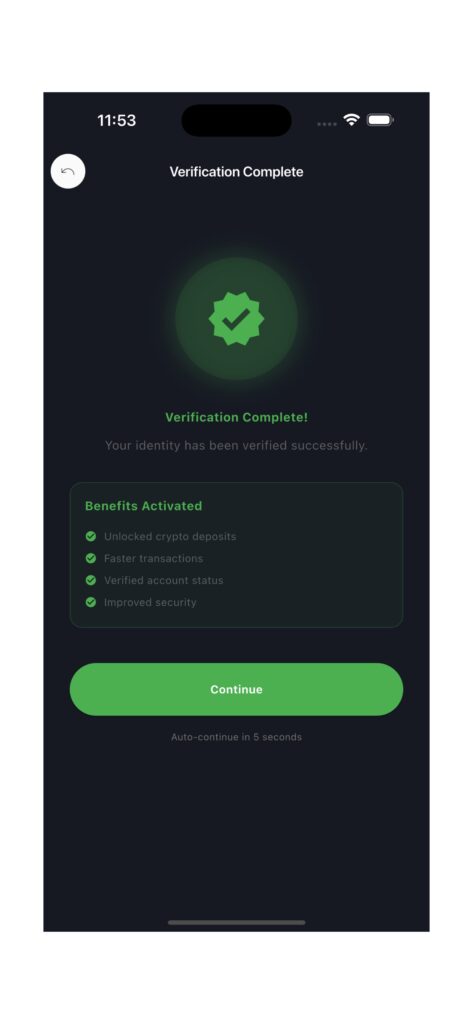
    Once approved, you’ll gain access to the platform’s full services.

    Is KYC Safe in Crypto?

    This is one of the most common concerns among crypto users.

    The good news is that reputable crypto exchanges use advanced security measures to protect customer data.

    These measures often include:

    • Data encryption
    • Secure servers
    • Multi-factor authentication
    • Regulatory compliance standards

    When using trusted platforms, KYC is generally considered safe.

    What Happens to Your Data After KYC?

    Your information is typically used for:

    • Identity verification
    • Fraud prevention
    • Regulatory compliance
    • Account protection

    Importantly, completing KYC does not give a platform access to:

    • Your crypto wallet
    • Private keys
    • Recovery phrases
    • Personal funds

    The verification process simply confirms your identity.

    KYC Safety Tips Every Crypto User Should Know

    Before uploading personal documents, follow these best practices:

    Only Use Official Websites and Apps

    Always verify that you’re using the official platform.

    Avoid clicking unknown links sent through:

    • Telegram groups
    • WhatsApp messages
    • Social media DMs
    • Email scams

    Never Share Your Documents Publicly

    Do not send your ID documents to strangers or unofficial support accounts.

    Legitimate exchanges will only request verification through secure channels.

    Read the Privacy Policy

    Before completing KYC, review the platform’s privacy policy to understand:

    • How your data is stored
    • How your information is used
    • What security measures are in place

    Crypto Platforms That Require vs Don’t Require KYC

    Platforms That Require KYC (Full Verification)

    PlatformWhat They DoKYC Required For
    CylaCrypto cash-out app (Nigeria)Full access to convert crypto to Naira
    BinanceLargest global exchangeTrading, deposits, withdrawals
    BybitDerivatives + spot tradingHigher limits + fiat services
    KuCoinSpot, staking, lendingHigher withdrawals + fiat services
    CoinbaseRegulated US exchangeAny transaction

    Best for: Users who want reliable, regulated, full-featured crypto services.

    Platforms That Allow No-KYC or Optional KYC (Decentralized)

    PlatformNetworkHow It Works
    UniswapEthereumConnect wallet → swap
    PancakeSwapBNB ChainConnect wallet → swap
    dYdXEthereum (L2)Connect wallet → trade futures
    JupiterSolanaConnect wallet → swap
    Kamino FinanceSolanaConnect wallet → stake/lend

    Can You Use Crypto Without KYC?

    Yes.

    Some decentralized exchanges (DEXs) allow users to trade directly from their wallets without identity verification.

    Popular examples include:

    • Uniswap
    • PancakeSwap
    • Jupiter
    • dYdX
    • Kamino Finance

    These platforms prioritize privacy but come with trade-offs.


    KYC vs No-KYC Crypto Platforms

    FeatureKYC PlatformsNo-KYC Platforms
    Fiat DepositsYesNo
    Fiat WithdrawalsYesNo
    Customer SupportYesLimited
    Account RecoveryYesNo
    PrivacyModerateHigh
    Scam RiskLowerHigher
    Beginner FriendlyYesLess Friendly

    For most beginners, KYC platforms provide a safer and more convenient experience.

    Frequently Asked Questions (FAQs)

    Why Do Crypto Exchanges Ask for My ID?

    Crypto exchanges ask for identification to verify users, prevent fraud, comply with regulations, and protect customers.

    How Long Does Crypto KYC Take?

    Most KYC verifications are completed within a few minutes, although some platforms may take up to 24 hours.

    Can I Buy Crypto Without KYC?

    Yes. Some decentralized exchanges allow users to buy, sell, and swap crypto without identity verification.

    Is KYC Mandatory for Crypto?

    For most regulated crypto exchanges, KYC is mandatory before users can access certain services.

    Does KYC Give Exchanges Access to My Wallet?

    No. KYC only verifies your identity. It does not provide access to your wallet, private keys, or cryptocurrency holdings.

    Final Thoughts

    KYC has become a fundamental part of the cryptocurrency industry.

    While uploading identification documents may seem inconvenient, the process helps create a safer environment for both users and crypto platforms.

    KYC helps prevent fraud, reduce scams, improve security, and ensure compliance with financial regulations.

    If you’re using a trusted crypto exchange, completing KYC verification gives you access to more features, higher transaction limits, and a smoother crypto experience.

    For users looking to buy, sell, or cash out cryptocurrency safely, KYC is no longer optional on most regulated platforms—it’s an essential step toward secure crypto transactions.

    Ready to get verified and start cashing out?
    Download Cyla today.

    Android | iOS

  • Proven: The Best Time to Sell Your Bitcoin in 2026 | Maximize Your Profits

    Proven: The Best Time to Sell Your Bitcoin in 2026 | Maximize Your Profits

    Discover the best time to sell Bitcoin in 2026 using proven market cycles, on-chain data, and expert strategies. Learn when investors take profits and avoid costly mistakes. Bitcoin has transformed countless investors into millionaires, but one question continues to separate successful traders from everyone else.

    BEST TIME TO SELL BITCOIN IN 2026
5 PROVEN SIGNALS INVESTORS USE

    When is the best time to sell Bitcoin?

    While many investors focus on buying Bitcoin at the right moment, selling at the optimal time is often what determines whether you lock in significant profits or watch gains disappear during a market correction.

    In this guide, you’ll discover proven strategies, market indicators, and expert insights that can help you identify the best time to sell Bitcoin in 2026.


    Why Timing Matters When Selling Bitcoin

    Bitcoin is known for its volatility. A price increase of 20% to 50% within weeks is common, but sharp declines can occur just as quickly.

    Selling too early can leave money on the table, while waiting too long may result in losing a substantial portion of your gains.

    The key is understanding the market conditions that typically signal a favorable selling opportunity.


    Understanding Bitcoin Market Cycles

    Bitcoin historically moves in cycles consisting of:

    • Accumulation Phase
    • Bull Market Phase
    • Euphoria Phase
    • Distribution Phase
    • Bear Market Phase

    The most profitable selling opportunities often occur during the late stages of a bull market when investor enthusiasm reaches extreme levels.

    Recognizing these phases can help investors avoid emotional decision-making.


    Key Signs It May Be Time to Sell Bitcoin

    Bitcoin Reaches New All-Time Highs

    Historically, major profit-taking occurs when Bitcoin reaches new record prices.

    Although new highs do not guarantee an immediate reversal, they often attract significant selling pressure from long-term holders.

    Extreme Market Greed

    When social media, news outlets, and casual investors are overwhelmingly bullish, caution is warranted.

    Extreme greed has historically preceded major corrections in cryptocurrency markets.

    Rapid Price Surges

    If Bitcoin rises dramatically over a short period, the market may be overheating.

    Parabolic price increases are often followed by periods of consolidation or decline.

    Personal Financial Goals Are Achieved

    One of the most overlooked indicators is reaching your own financial target.

    If Bitcoin has helped you achieve a specific goal such as purchasing a home, paying off debt, or building emergency savings, taking profits may be a wise decision.


    The Best Bitcoin Selling Strategies in 2026

    Dollar-Cost Averaging Out

    Rather than selling all your Bitcoin at once, consider selling portions over time.

    Benefits include:

    • Reduced emotional pressure
    • Lower timing risk
    • Consistent profit realization

    The Percentage Profit Strategy

    Many investors define profit targets before entering the market.

    Examples:

    • Sell 25% after a 50% gain
    • Sell another 25% after a 100% gain
    • Hold the remainder for long-term growth

    Trailing Stop Strategy

    A trailing stop automatically protects profits if Bitcoin begins falling after a strong rally.

    This approach helps investors stay in winning trends while limiting downside risk.


    Common Mistakes to Avoid

    Panic Selling During Corrections

    Temporary pullbacks are normal in Bitcoin markets.

    Selling solely because of short-term fear often leads to regret when prices recover.

    Following Social Media Hype

    Many investors buy and sell based on viral predictions rather than data.

    Always rely on research, risk management, and personal financial goals.

    Ignoring Tax Implications

    Selling Bitcoin may trigger capital gains taxes depending on your country of residence.

    Consider consulting a qualified tax professional before making large transactions.


    Expert Outlook for Bitcoin in 2026

    Analysts remain divided on Bitcoin’s future price direction.

    Some believe continued institutional adoption and limited supply could support higher valuations, while others warn that macroeconomic conditions may create increased volatility.

    For this reason, successful investors often focus on risk management rather than attempting to predict exact tops and bottoms.


    Final Verdict: When Should You Sell Bitcoin?

    The best time to sell Bitcoin is not determined by a specific date but by a combination of market conditions, profit targets, risk tolerance, and personal financial goals.

    Consider selling when:

    • Bitcoin reaches your target profit level.
    • Market sentiment becomes excessively optimistic.
    • Technical indicators suggest an overheated market.
    • You need funds for an important financial objective.

    A disciplined exit strategy is often more important than finding the exact market top.


    Frequently Asked Questions (FAQ)

    Is 2026 a good year to sell Bitcoin?

    It depends on market conditions, your investment goals, and Bitcoin’s price performance. Many investors use predefined profit targets rather than specific calendar dates.

    Should I sell all my Bitcoin at once?

    Many investors prefer selling in stages to reduce timing risk and secure profits gradually.

    What percentage profit should I take on Bitcoin?

    The ideal percentage varies by investor. Common targets range from 25% to 100% or more depending on risk tolerance.

    Can Bitcoin continue rising after I sell?

    Yes. No one can consistently sell at the exact market top. The goal is to secure profits while managing risk.

    How do I know if Bitcoin is overvalued?

    Indicators include extreme market greed, rapid price increases, and excessive speculative activity.

    Is it better to hold Bitcoin long-term?

    Long-term holding has historically benefited many investors, but individual financial goals and risk tolerance should guide decisions.

    What is the biggest mistake Bitcoin investors make?

    Many investors fail to create a selling plan and make emotional decisions during periods of market volatility.

    Conclusion

    Selling Bitcoin successfully requires preparation, discipline, and a clear strategy. By understanding market cycles, setting realistic profit targets, and avoiding emotional decisions, investors can improve their chances of maximizing returns in 2026 and beyond.

    Download Cyla today. Sell your Bitcoin the smart way.

    Android | iOS

  • Best Apps to Withdraw Bitcoin to Naira in Nigeria (2026)

    Best Apps to Withdraw Bitcoin to Naira in Nigeria (2026)

    Looking for the fastest and safest way to withdraw Bitcoin to Naira in Nigeria?

    You’re not alone. See Live Bitcoin, Usdt and Tron Rates

    Thousands of Nigerians buy, hold, and receive Bitcoin daily. But when it’s time to convert BTC into Naira and transfer the money directly to a Nigerian bank account, many people struggle to find a platform that is fast, secure, and reliable.

    Some apps require complicated P2P transactions. Others charge hidden fees or delay withdrawals for hours.

    The good news?

    Several trusted crypto platforms now allow you to sell Bitcoin and receive Naira directly into your Nigerian bank account within minutes.

    In this guide, you’ll discover:

    • The best apps to withdraw Bitcoin to Naira in Nigeria
    • Which platform offers the fastest withdrawals
    • How to convert BTC to NGN step-by-step
    • Common withdrawal fees and hidden charges
    • Direct withdrawal vs P2P comparison
    • Expert safety tips
    • Frequently asked questions about Bitcoin withdrawals in Nigeria
    Bitcoin to Naira in Nigeria

    Quick Answer: Which App Can I Use to Withdraw Bitcoin to Naira?

    If you’re looking for the fastest way to convert Bitcoin to Naira, platforms such as Cyla, Luno, Quidax, Busha, Roqqu, and Yellow Card offer direct Bitcoin-to-Naira conversion services.

    For users who want instant withdrawals without negotiating with P2P buyers, Cyla is one of the fastest options available, with automated Bitcoin conversion and direct Naira payouts.


    What You Need Before Withdrawing Bitcoin to Naira

    Before selling your Bitcoin, make sure you have the following:

    Verified Crypto Account

    Choose a platform that supports:

    • Bitcoin (BTC)
    • Naira withdrawals
    • Nigerian bank transfers
    • Secure identity verification

    Nigerian Bank Account

    Most platforms support:

    Supported Banks & Fintechs
    GTBank
    Access Bank
    Zenith Bank
    First Bank
    UBA
    Kuda
    Opay
    PalmPay
    Moniepoint

    Important: Your bank account name must match your crypto account details.

    Completed KYC Verification

    Most exchanges require:

    • Full name
    • NIN
    • Driver’s License
    • International Passport
    • Selfie verification

    Bitcoin Balance

    Your BTC can be:

    • Stored inside the exchange
    • Sent from Trust Wallet
    • Sent from Ledger
    • Sent from Binance
    • Sent from any external wallet

    Stable Internet Connection

    A poor connection can interrupt withdrawal requests and delay transaction confirmations.

    7 Best Apps to Withdraw Bitcoin to Naira in Nigeria (2026)

    Comparison Table

    PlatformDirect Naira WithdrawalSpeedBest For
    CylaYes~287 SecondsInstant withdrawals
    LunoYesFastBeginners
    QuidaxYesFastNigerian users
    BushaYesFastRegulated crypto trading
    RoqquYesFastLocal transactions
    Yellow CardYesFastNew crypto users
    KuCoinNo (P2P)DependsAdvanced traders

    1. Cyla — Best for Instant Bitcoin to Naira Withdrawal

    Why Nigerians Choose Cyla

    Cyla is designed specifically for users who want a simple and fast way to convert cryptocurrency into Naira.

    Key Features

    • Direct Bitcoin-to-Naira conversion
    • No P2P negotiations
    • Fast automated processing
    • Beginner-friendly interface
    • USD wallet support
    • Direct bank withdrawals

    Best For

    Users looking for the quickest way to receive Naira after selling Bitcoin.


    2. Luno — Best Bitcoin App for Beginners

    Luno remains one of the most popular crypto exchanges in Nigeria.

    Pros

    • Easy-to-use mobile app
    • Direct Naira withdrawals
    • Strong security features
    • Educational resources for beginners

    Cons

    • Instant buy and sell fees can be higher than some competitors

    Best For

    First-time Bitcoin users.


    3. KuCoin — Best for Experienced Traders

    KuCoin is a global cryptocurrency exchange offering advanced trading features.

    Pros

    • Large selection of cryptocurrencies
    • Futures and margin trading
    • Competitive trading fees

    Cons

    • No direct Naira withdrawal
    • Requires P2P or third-party conversion

    Best For

    Professional traders and investors.


    4. Quidax — Best Nigerian Crypto Exchange

    Quidax is one of Africa’s leading cryptocurrency exchanges.

    Pros

    • Built for African users
    • Direct Naira withdrawals
    • User-friendly interface
    • Competitive exchange rates

    Cons

    • Fewer advanced trading tools

    Best For

    Users who prefer a locally focused exchange.


    5. Busha — Best Regulated Crypto Platform

    Busha is known for regulatory compliance and transparency.

    Pros

    • Supports BTC, ETH, USDT, and TRON
    • Secure withdrawal process
    • Transparent fee structure

    Cons

    • Limited advanced trading features

    Best For

    Security-conscious investors.


    6. Roqqu — Best for Local Crypto Transactions

    Roqqu focuses heavily on African cryptocurrency users.

    Pros

    • Direct Naira support
    • Easy account setup
    • Multiple cryptocurrency options

    Cons

    • Occasional withdrawal delays during peak periods

    Best For

    Users seeking a local crypto solution.


    7. Yellow Card — Best for Simplicity

    Yellow Card has become one of Africa’s most recognized crypto brands.

    Pros

    • Beginner-friendly platform
    • Fast onboarding
    • Supports local payment methods

    Cons

    • Smaller crypto selection compared to global exchanges

    Best For

    New cryptocurrency users.


    How to Withdraw Bitcoin to Naira Using Cyla

    Step 1: Create an Account

    Register and complete identity verification.

    Step 2: Add Your Nigerian Bank Account

    Ensure your account name matches your KYC information.

    Step 3: Select Bitcoin (BTC)

    Choose Bitcoin from the list of supported cryptocurrencies.

    Step 4: Generate Your BTC Wallet Address

    Copy the wallet address generated by the platform.

    Step 5: Send Bitcoin

    Transfer Bitcoin from your wallet to the provided address.

    Step 6: Wait for Blockchain Confirmation

    The Bitcoin network must confirm the transaction.

    Step 7: Receive Naira

    Once confirmed, your Bitcoin is converted and your Naira balance becomes available for withdrawal.


    Direct Withdrawal vs P2P: Which Is Better?

    FactorDirect WithdrawalP2P Trading
    SpeedMinutes30–120+ Minutes
    SecurityHighMedium
    Scam RiskVery LowHigher
    Ease of UseEasyModerate
    Best ForMost UsersRate Hunters
    SupportAvailableLimited

    Verdict

    Direct withdrawal platforms are generally safer, faster, and more convenient than P2P trading, especially for beginners.


    Bitcoin Withdrawal Fees Explained

    Understanding fees helps maximize your profits.

    Platform Fees

    Some exchanges charge:

    • Flat withdrawal fees
    • Percentage-based fees

    Bitcoin Network Fees

    Network fees vary depending on:

    • Blockchain congestion
    • Transaction priority
    • Network demand

    Hidden Fees to Watch Out For

    Many users lose money because of:

    • Exchange-rate markups
    • Instant sell premiums
    • Third-party processing charges
    • Unfavorable BTC-to-NGN rates

    Always compare rates before selling.


    How to Get the Best Bitcoin to Naira Exchange Rate

    To maximize your withdrawal value:

    Compare Multiple Platforms

    Rates vary significantly between exchanges.

    Avoid Selling During High Volatility

    Bitcoin price swings can affect payouts.

    Monitor Network Fees

    Heavy blockchain congestion can increase costs.

    Use Direct Withdrawal Platforms

    This removes unnecessary middlemen.

    Verify Current Market Prices

    Check live BTC prices before initiating withdrawals.


    Common Reasons Bitcoin Withdrawals Fail

    If your withdrawal is unsuccessful, check the following:

    • Incorrect wallet address
    • Unverified account
    • Bank account name mismatch
    • Insufficient confirmations
    • Network congestion
    • Exceeded withdrawal limits
    • Maintenance on the exchange

    Most failed withdrawals can be resolved by contacting customer support.


    Safety Tips When Withdrawing Bitcoin in Nigeria

    Use Trusted Platforms

    Avoid unknown exchanges promising unrealistic rates.

    Enable Two-Factor Authentication (2FA)

    Protect your account from unauthorized access.

    Verify Wallet Addresses Carefully

    Crypto transactions cannot be reversed.

    Avoid Public Wi-Fi

    Use secure internet connections.

    Keep Records

    Save transaction IDs and withdrawal receipts.


    Frequently Asked Questions (FAQs)

    Which app is best for withdrawing Bitcoin to Naira?

    Cyla, Luno, Quidax, Busha, Roqqu, and Yellow Card are among the most popular options for Nigerians seeking direct Bitcoin-to-Naira withdrawals.

    Can I withdraw Bitcoin directly to my Nigerian bank account?

    Yes. Several crypto platforms allow direct BTC-to-NGN conversion and bank transfers.

    How long does Bitcoin withdrawal take in Nigeria?

    Most withdrawals take anywhere from a few minutes to a few hours depending on blockchain confirmations and platform processing times.

    Do I need KYC before withdrawing Bitcoin?

    Yes. Most regulated exchanges require identity verification before enabling withdrawals.

    Is P2P safer than direct withdrawal?

    Direct withdrawal is generally safer because it eliminates buyer interaction and reduces scam risks.

    What is the minimum Bitcoin withdrawal amount?

    The minimum amount depends on the exchange and current network fees.

    Which Nigerian banks support crypto withdrawal payments?

    Most major Nigerian banks and fintech platforms, including GTBank, Access Bank, UBA, Zenith Bank, Opay, PalmPay, Kuda, and Moniepoint, can receive Naira withdrawals from supported crypto exchanges.


    Final Verdict: Best App to Withdraw Bitcoin to Naira in Nigeria

    Finding the best app to withdraw Bitcoin to Naira is no longer difficult.

    Platforms like Cyla, Luno, Quidax, Busha, Roqqu, Yellow Card, and KuCoin offer different advantages depending on your needs.

    If your priority is speed, convenience, and direct bank withdrawals, choosing a platform with automated Bitcoin-to-Naira conversion can save time and reduce risk.

    Before selling your Bitcoin:

    ✅ Compare exchange rates
    ✅ Check withdrawal fees
    ✅ Verify your account details
    ✅ Use secure platforms
    ✅ Confirm wallet addresses carefully

    By following these best practices, you can convert Bitcoin to Naira safely and receive funds directly in your Nigerian bank account with minimal delays. See Live Rates

    Ready to cash out your Bitcoin today?
    Pick Cyla. Instant. Simple. No P2P stress.

    Android | iOS

  • How to Get a Bitcoin Wallet Address in Nigeria (2026)

    How to Get a Bitcoin Wallet Address in Nigeria (2026)

    Need a Bitcoin Wallet Address in Nigeria? Here’s the Fastest Way

    Someone wants to send you Bitcoin.

    Maybe it’s a client paying for freelance work.

    Maybe a family member is sending money from abroad.

    Maybe you’re receiving payment for goods or services.

    Then comes the question:

    “How do I get a Bitcoin wallet address?”

    For many Nigerians, crypto can seem confusing at first. Wallets, blockchain networks, private keys, and wallet addresses often sound technical.

    The good news?

    Getting a Bitcoin wallet address in Nigeria is easier than opening some bank accounts.

    In fact, you can generate one in seconds and start receiving Bitcoin immediately.

    In this guide, you’ll learn:

    • What a Bitcoin wallet address is
    • How Bitcoin wallet addresses work
    • The fastest ways to get a BTC wallet address in Nigeria
    • How to receive Bitcoin safely
    • Common mistakes to avoid
    • The best Bitcoin wallets for Nigerians
    • Frequently asked questions
    Get a Bitcoin Wallet Address

    What Is a Bitcoin Wallet Address?

    A Bitcoin wallet address is a unique string of letters and numbers used to receive Bitcoin (BTC).

    Think of it as your Bitcoin account number.

    Just as people need your bank account number to send money, they need your Bitcoin wallet address to send BTC.

    Example of a Bitcoin Wallet Address

    bc1qxy2kgdygjrsqtzq2n0yrf2493p83kkfjhx0wlh
    

    Every Bitcoin wallet generates wallet addresses that are unique to the user.

    Without a wallet address, nobody can send Bitcoin to you.

    Key Things to Know

    ✅ Used only for receiving Bitcoin

    ✅ Safe to share publicly

    ✅ Different from your private key

    ✅ Generated automatically by your wallet

    ✅ Connected to the Bitcoin blockchain


    How Does a Bitcoin Wallet Address Work?

    Many beginners think Bitcoin is stored inside an app.

    That’s not actually how it works.

    Bitcoin exists on the blockchain.

    Your wallet address simply tells the blockchain where incoming Bitcoin should be recorded.

    Simple Bitcoin Transaction Process

    StepWhat Happens
    1Sender enters your Bitcoin wallet address
    2Sender chooses the amount of BTC
    3Sender confirms the transaction
    4Bitcoin network validates the transaction
    5Blockchain records the payment
    6Bitcoin appears in your wallet balance

    Once the transaction receives enough confirmations, the Bitcoin belongs to the wallet linked to that address.


    Why Do You Need a Bitcoin Wallet Address?

    A Bitcoin wallet address is required anytime you want to receive BTC.

    Common reasons include:

    Receiving Payments From Abroad

    Many Nigerians receive Bitcoin from relatives, employers, and business partners overseas.

    Freelancing and Remote Work

    Writers, developers, designers, and digital marketers often receive payments in Bitcoin.

    Selling Goods and Services

    Businesses can accept Bitcoin as a payment option from customers worldwide.

    Receiving Crypto Transfers

    Friends, family members, and other crypto users can transfer Bitcoin directly to your wallet address.

    Withdrawing From Exchanges

    Many exchanges require a wallet address before allowing Bitcoin withdrawals.

    generate a Bitcoin Wallet Address

    Different Ways to Get a Bitcoin Wallet Address in Nigeria

    There are several methods available.

    Comparison Table

    Wallet TypeSetup SpeedEase of UseSecurity ResponsibilityCan Convert to Naira?
    CylaSecondsVery EasyManaged for youYes
    Trust WalletMinutesEasyUser-managedNo
    BinanceModerateModerateExchange-managedYes
    BlueWalletMinutesEasyUser-managedNo
    LedgerLonger SetupAdvancedUser-managedNo
    Blockchain.comFastEasyShared ResponsibilityLimited

    Method 1: Get a Bitcoin Wallet Address Using Cyla

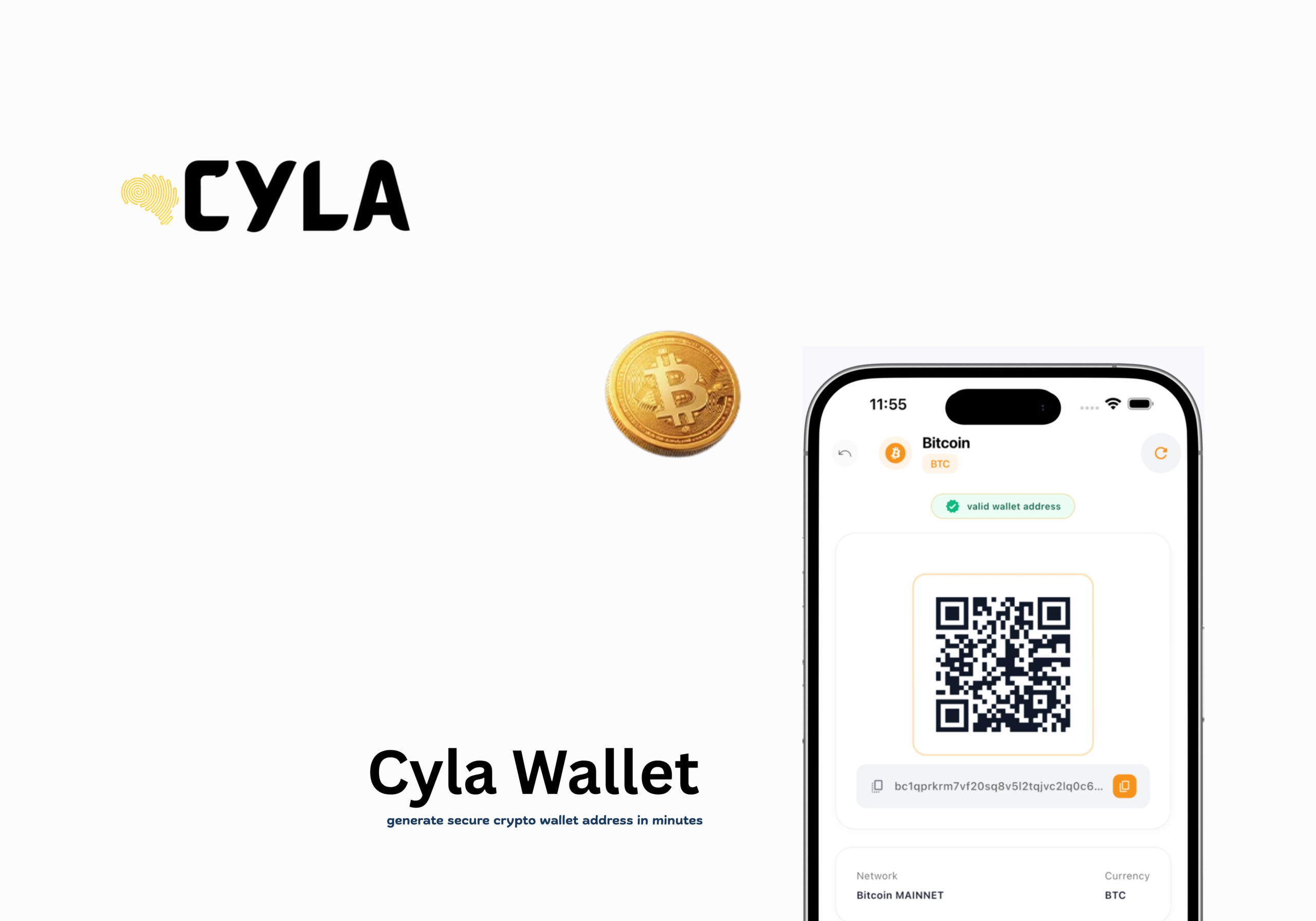
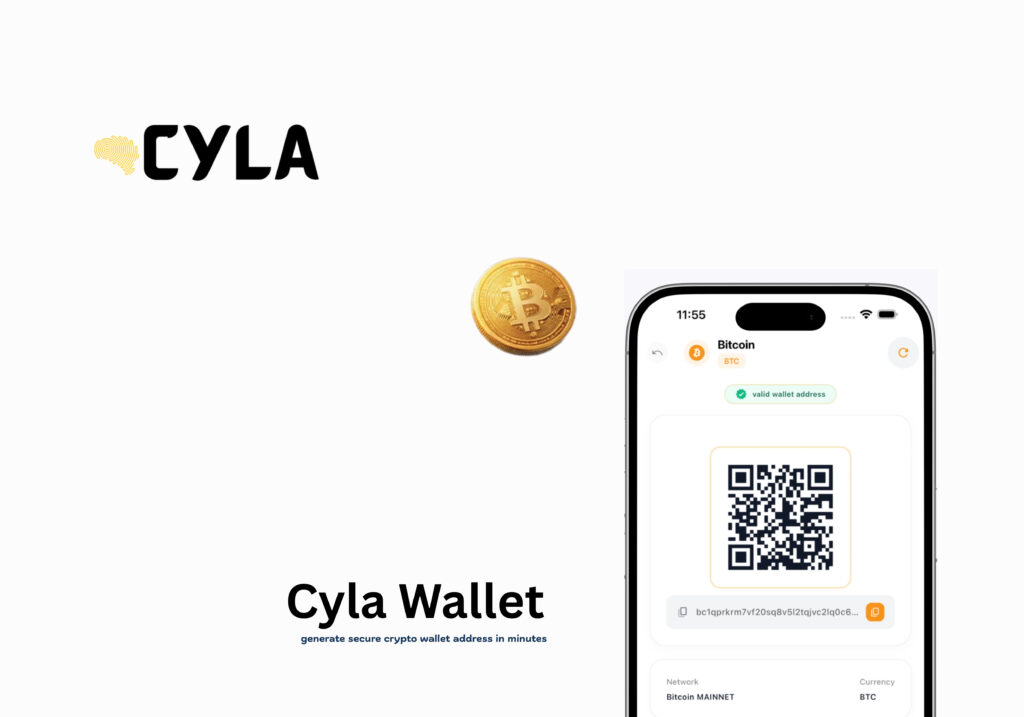
    For most Nigerians looking to receive Bitcoin quickly, Cyla provides one of the simplest options available.

    Why Many Users Choose Cyla

    • Instant wallet address generation
    • Beginner-friendly interface
    • No complicated setup process
    • Supports Bitcoin transactions
    • Easy BTC-to-Naira conversion
    • Available on mobile and web

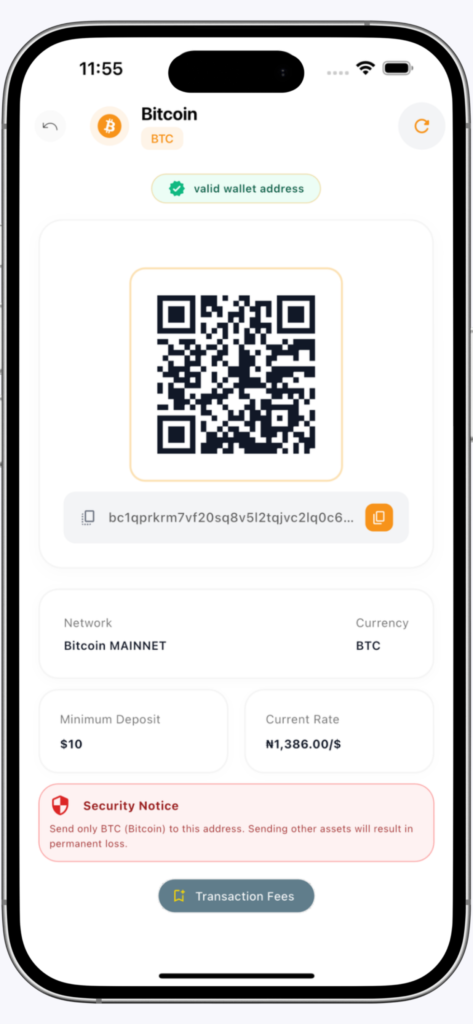
    How to Generate Your Bitcoin Wallet Address

    Step 1: Create an Account

    Register and complete the basic account setup process.

    Step 2: Select Bitcoin (BTC)

    Navigate to the crypto section and choose Bitcoin.

    Step 3: Generate Wallet Address

    A unique Bitcoin wallet address is generated automatically.

    Step 4: Copy Your Address

    Copy the address or use the QR code provided.

    Step 5: Start Receiving Bitcoin

    Share your wallet address with the sender.

    That’s it.

    Your Bitcoin wallet address is ready to receive payments.


    Method 2: Get a Bitcoin Wallet Address Using Trust Wallet

    Trust Wallet is one of the most popular non-custodial crypto wallets globally.

    Advantages

    • Full ownership of funds
    • Strong security
    • Supports thousands of cryptocurrencies

    Disadvantages

    • You must protect your recovery phrase
    • Losing your phrase can mean losing access permanently

    Steps

    1. Download Trust Wallet
    2. Create a wallet
    3. Save recovery phrase securely
    4. Open Bitcoin wallet
    5. Tap “Receive”
    6. Copy wallet address

    Method 3: Get a Bitcoin Wallet Address Through Binance

    Binance allows users to generate Bitcoin deposit addresses.

    Benefits

    • Trusted globally
    • High liquidity
    • Supports crypto trading

    Drawbacks

    • Verification may take time
    • More features can overwhelm beginners

    Steps

    1. Create Binance account
    2. Complete identity verification
    3. Navigate to Wallet
    4. Select Bitcoin
    5. Click Deposit
    6. Copy BTC wallet address

    How to Use Your Bitcoin Wallet Address

    After generating your address, receiving Bitcoin is straightforward.

    Option 1: Share the Address

    Copy and send the wallet address through:

    • WhatsApp
    • Telegram
    • Email
    • SMS
    • Business invoices

    Option 2: Share the QR Code

    Most wallets generate a QR code linked to your address.

    The sender simply scans the code and sends Bitcoin.


    Common Mistakes to Avoid

    Many first-time users make avoidable errors.

    Sharing the Wrong Address

    Always ensure you’re sharing a Bitcoin address, not another cryptocurrency address.

    Sending Bitcoin to the Wrong Network

    Network mismatches can lead to lost funds.

    Losing Recovery Phrases

    If you’re using a self-custody wallet, protect your recovery phrase carefully.

    Copying Addresses Incorrectly

    Always use the copy button instead of typing manually.

    Falling for Fake Wallet Apps

    Download wallets only from official sources.


    How Long Does It Take to Receive Bitcoin?

    The timing depends on network activity.

    Transaction StatusTypical Time
    UnconfirmedSeconds
    3 Confirmation10–30 Minutes
    Fully Confirmed30–60 Minutes

    During periods of heavy blockchain congestion, transactions may take longer.


    Can You Convert Bitcoin to Naira After Receiving It?

    Yes.

    Once Bitcoin arrives in your wallet, you can:

    • Hold it as an investment
    • Send it elsewhere
    • Exchange it for Naira

    Many Nigerian crypto platforms now support direct Bitcoin-to-Naira conversion and bank withdrawals.

    This allows users to receive Bitcoin and cash out without relying on peer-to-peer transactions.


    Is It Safe to Share Your Bitcoin Wallet Address?

    Yes.

    Bitcoin wallet addresses are designed to be shared.

    Sharing your address does NOT give anyone access to your funds.

    However, you should NEVER share:

    ❌ Private keys

    ❌ Recovery phrases

    ❌ Seed phrases

    ❌ Login credentials

    Only share your wallet address.


    Best Bitcoin Wallet Features to Look For

    Before choosing a wallet, consider:

    • Security
    • Ease of use
    • Fast wallet generation
    • Bitcoin support
    • Mobile compatibility
    • Backup options
    • Customer support
    • Ability to convert BTC to Naira

    Final Verdict: How to Get a Bitcoin Wallet Address in Nigeria

    Getting a Bitcoin wallet address in Nigeria is now easier than ever.

    Whether you’re receiving international payments, freelance earnings, business transactions, or transfers from friends and family, a Bitcoin wallet address is the first thing you’ll need.

    Several wallet options are available, including Trust Wallet, Binance, BlueWallet, Ledger, and Blockchain.com.

    For users who prioritize speed, simplicity, and easy Bitcoin-to-Naira conversion, platforms like Cyla offer a streamlined way to generate a wallet address and start receiving Bitcoin within seconds.

    The process takes only a few minutes, even for complete beginners.


    Frequently Asked Questions (FAQs)

    How can I get a Bitcoin wallet address in Nigeria?

    Create a Bitcoin wallet through a trusted platform. Once your account is set up, a unique Bitcoin wallet address is generated automatically.

    Is getting a Bitcoin wallet address free?

    Yes. Most Bitcoin wallets generate wallet addresses at no cost.

    Can I receive Bitcoin without a wallet address?

    No. A Bitcoin wallet address is required to receive BTC from another person or platform.

    How do I find my Bitcoin wallet address?

    Open your wallet, select Bitcoin, tap “Receive,” and copy the displayed address or QR code.

    Which Bitcoin wallet is best for beginners in Nigeria?

    Beginner-friendly options include Cyla, Trust Wallet, and Blockchain.com due to their simple interfaces.

    Can I have multiple Bitcoin wallet addresses?

    Yes. Many wallets generate multiple Bitcoin addresses while managing them under one account.

    Is a Bitcoin wallet address the same as a Bitcoin wallet?

    No. A wallet stores access credentials, while the wallet address is the public identifier used to receive Bitcoin.

    Ready to cash out your Bitcoin today?
    Pick Cyla. Instant. Simple. No P2P stress.

    Android | iOS

  • Cyla Wallet: Receive Crypto, Get Paid in Seconds & Convert to Naira Instantly (Nigeria, 2026)

    Cyla Wallet: Receive Crypto, Get Paid in Seconds & Convert to Naira Instantly (Nigeria, 2026)

    Getting paid in crypto should not feel like solving a puzzle. Yet most Nigerians who receive Bitcoin, USDT, or Ethereum still wrestle with confusing wallet setups, slow P2P traders, and unpredictable exchange rates. As a result, many people give up before they even receive their first payment.

    Cyla Wallet fixes that. Instead of juggling multiple apps or searching for buyers, you generate a secure wallet address in seconds, receive crypto from anywhere in the world, and convert directly to Naira without negotiating rates. Furthermore, Cyla sends the money straight to your bank account — usually within 287 seconds.

    Whether you are a freelancer, a business owner, or a crypto enthusiast, Cyla Wallet makes receiving crypto simple, fast, and practical. In this guide, you will learn exactly how Cyla Wallet works and why over 100,000 Nigerians already trust it.

    What Is Cyla Wallet? The Non-Custodial Crypto Wallet Built for Nigeria

    Cyla Wallet is a secure, non-custodial-style crypto receiving wallet built specifically for Africans. Unlike traditional wallets that simply store your crypto, Cyla Wallet covers the full journey from receiving to getting paid.

    Specifically, Cyla Wallet lets you:

    • Instantly generate unique wallet addresses for Bitcoin (BTC), USDT, Ethereum, Litecoin, Solana, Tron, Dogecoin, XRP, and more
    • Receive crypto from any wallet, exchange, or crypto app worldwide
    • Convert crypto to Naira (NGN), Cedis (GHS, coming soon), or US Dollars (USD, coming soon) inside the app
    • Get paid directly into your Nigerian bank account — usually within 287 seconds

    In addition, Cyla handles all the technical complexity — network selection, address security, conversion rates — so you never have to worry about making a costly mistake. As a result, even complete beginners can use Cyla confidently from day one.

    How Cyla Wallet Works: 4 Simple Steps to Receive Crypto and Get Paid

    Cyla Wallet works in four straightforward steps. First, you generate a wallet address. Next, you share it to receive crypto. Then you convert to Naira. Finally, you withdraw to your bank. Here is each step in detail:

    Step 1: Generate a Wallet Address

    Open the Cyla app and select your cryptocurrency — for example, USDT TRC20 or Bitcoin. Cyla immediately creates a secure, unique address for you. Simply copy it or share it directly with whoever wants to send you funds.

    Step 2: Receive Crypto from Anywhere

    Once you share your address, the sender can transfer funds from any wallet or platform worldwide. Because Cyla addresses work across all major networks, there are no compatibility issues. As soon as the transaction confirms on the blockchain, the funds appear in your Cyla Wallet.

    Step 3: Convert Crypto to Naira

    After the crypto lands in your wallet, tap the Convert button and select Naira. Cyla applies live, competitive exchange rates automatically — so you get no P2P delays, no rate negotiations, and no waiting for buyers. The conversion happens instantly inside the app.

    Step 4: Withdraw to Your Bank Account

    Finally, Cyla sends the equivalent Naira amount directly to your linked Nigerian bank account. Most transfers arrive within 287 seconds. The minimum withdrawal amount is N5,000 for Nigerian users.

    The complete flow is: Generate address -> Receive crypto -> Convert to Naira -> Bank payout. That is it.

    Supported Cryptocurrencies on Cyla Wallet

    Cyla supports the most widely used cryptocurrencies for cross-border payments in Nigeria. For example, USDT on TRC20 is the preferred stablecoin for Nigerian freelancers because it carries minimal transaction fees. Moreover, Bitcoin remains the gold standard for international business payments, while Ethereum powers most DeFi-related transactions.

    Additionally, Cyla supports:

    • Bitcoin (BTC) — the most widely accepted crypto for international payments
    • USDT (TRC20 and ERC20) — the preferred stablecoin for Nigerian freelancers and businesses
    • Ethereum (ETH) — smart contract network widely used for DeFi and Web3 payments
    • Litecoin (LTC) — fast, low-fee transactions
    • Solana (SOL) — high-speed, low-cost blockchain payments
    • Tron (TRX) — popular for USDT transfers due to near-zero fees
    • Dogecoin (DOGE) — widely traded coin with growing merchant adoption
    • XRP (Ripple) — fast cross-border settlement network

    In particular, Cyla manages network selection automatically, so you never choose the wrong network and lose funds. This means TRC20 and ERC20 USDT both work seamlessly without any technical knowledge from you.

    Why Cyla Wallet Is the Best Crypto Wallet for Nigerians

    Cyla Wallet stands out in the Nigerian market for several key reasons. Below is a direct comparison of features and what each one means for everyday users:

    FeatureWhat It Means for You
    Instant address generationNo waiting — create and share a wallet address in under 10 seconds
    No private key managementCyla handles security, so you never need to memorise seed phrases
    Direct Naira conversionConvert Bitcoin, USDT, or Ethereum to NGN inside the app — no P2P required
    Fast settlement (avg 287 sec)Money reaches your bank account in minutes, not hours or days
    8+ supported cryptocurrenciesBTC, USDT, ETH, LTC, SOL, TRX, DOGE, XRP and more
    VIP OTC Desk for bulk tradesLarge-volume crypto transactions receive dedicated support and competitive rates
    Built for AfricaOptimised for Nigeria and Ghana with local bank integration and NGN/GHS payouts
    Trusted by 100,000+ usersTransparent operations, fast payouts, and responsive customer support

    Who Should Use Cyla Wallet?

    Cyla Wallet serves a wide range of users across Nigeria. Consequently, whether you receive crypto regularly or occasionally, Cyla simplifies the entire process.

    Freelancers and Remote Workers

    International clients increasingly pay in USDT or Bitcoin. Instead of waiting for slow SWIFT transfers or losing money to unfavourable bank exchange rates, freelancers generate a Cyla wallet address and share it directly with clients. As a result, payments arrive faster and conversion to Naira happens on their own terms. Moreover, Cyla eliminates the P2P trading risk that many freelancers face on other platforms.

    Business Owners Accepting Crypto Payments

    Nigerian business owners increasingly accept crypto for goods and services. For instance, an e-commerce seller can generate a unique Bitcoin or USDT address for each order. Furthermore, once payment arrives, Cyla converts it to Naira and sends it directly to the business bank account. Therefore, there is no need to learn crypto trading or manage complex wallet infrastructure.

    Crypto Traders and OTC Buyers

    For large-volume crypto transactions, Cyla offers a dedicated VIP Crypto OTC Desk. In addition to competitive rates, the OTC Desk provides dedicated support and prioritised settlement for bulk purchases or sales. As a result, traders can handle high-value transactions safely without worrying about price slippage or unreliable counterparties.

    Friends and Family Receiving Crypto Gifts

    Even complete beginners can use Cyla to receive crypto gifts from relatives abroad. Simply generate a wallet address and share it via WhatsApp or email. After that, the funds arrive in Cyla Wallet and a single tap converts them to Naira and sends the money to the bank.

    Cyla Wallet vs. Other Crypto Options in Nigeria

    Many Nigerians compare Cyla with P2P platforms, centralised exchanges, and hardware wallets. However, each alternative carries significant drawbacks that Cyla Wallet eliminates.

    Cyla vs. P2P Trading Platforms

    P2P trading platforms require finding buyers manually. Consequently, rates fluctuate, scams occur frequently, and settlement can take hours. In contrast, Cyla converts crypto to Naira instantly at live rates — no buyers to find, no negotiations to manage.

    Cyla vs. Centralised Exchanges (CEX)

    Centralised exchanges often impose KYC delays, withdrawal limits, and high fees. Moreover, most CEX platforms do not offer direct Naira bank payouts. On the other hand, Cyla streamlines the entire process into one app and sends Naira directly to your bank account.

    Cyla vs. Hardware Wallets

    Hardware wallets offer strong long-term security. However, they cannot convert crypto to Naira, and they require technical knowledge to operate correctly. Therefore, for everyday receiving and converting, Cyla Wallet is the more practical choice for Nigerian users.

    How to Get Started with Cyla Wallet in Nigeria

    Setting up your Cyla Wallet takes under two minutes. Simply follow these five steps:

    1. Download the Cyla app on Android or iOS, or sign up at cyla.ng.
    2. Create your account and complete the quick verification process.
    3. Select ‘Generate Address’ and choose your cryptocurrency — for example, USDT TRC20.
    4. Copy or share your address with whoever sends you crypto.
    5. Once crypto arrives, tap Convert, select Naira, confirm, and Cyla sends the funds to your bank.

    As you can see, the process is straightforward. Furthermore, Cyla saves your addresses so you can reuse them without generating new ones each time.

    Frequently Asked Questions

    Is Cyla Wallet legit and safe in Nigeria?

    Yes, Cyla Wallet is fully legitimate. Moreover, over 100,000 Nigerians already trust it for daily crypto transactions. Cyla uses secure, non-custodial-style architecture where every address is unique and protected. Furthermore, the platform maintains a strong track record of transparent operations, fast payouts, and reliable customer support.

    How does Cyla Wallet work?

    Cyla Wallet works in four steps. First, you generate a crypto wallet address in seconds. Next, you share the address to receive crypto from any wallet or exchange worldwide. Then you convert to Naira at live rates inside the app. Finally, Cyla sends the Naira directly to your linked bank account — usually within 287 seconds.

    What is the minimum withdrawal on Cyla Wallet?

    The minimum withdrawal is N5,000 for Nigerian users. However, there is no maximum cap for standard transactions. Furthermore, large-volume traders can use the VIP Crypto OTC Desk for bulk transactions with dedicated support.

    How do I convert Bitcoin or USDT to Naira on Cyla?

    After receiving crypto in your Cyla Wallet, tap ‘Convert’ and select Naira (NGN). Cyla automatically applies live exchange rates, so you simply confirm the transaction. As a result, the equivalent Naira amount goes directly to your linked Nigerian bank account within minutes.

    Which cryptocurrencies does Cyla Wallet support?

    Cyla currently supports Bitcoin (BTC), USDT (TRC20 and ERC20), Ethereum (ETH), Litecoin (LTC), Solana (SOL), Tron (TRX), Dogecoin (DOGE), XRP, and more. In addition, Cyla regularly adds new coins based on user demand.

    Does Cyla Wallet work for freelancers getting paid in crypto?

    Absolutely. In fact, Cyla Wallet is ideal for Nigerian freelancers who receive international payments in USDT, Bitcoin, or Ethereum. Instead of dealing with bank SWIFT delays or unfavourable exchange rates, you simply generate a wallet address, share it with your client, and convert your earnings to Naira instantly.

    Is cryptocurrency legal in Nigeria in 2026?

    Yes, cryptocurrency is legal in Nigeria as of 2026. Specifically, the Central Bank of Nigeria (CBN) and the Securities and Exchange Commission (SEC) have both issued regulatory frameworks for crypto activity. Therefore, platforms like Cyla operate transparently within these official guidelines.

    Ready to receive crypto and get paid?
    Sign up or download the app. Generate your first Cyla wallet address in seconds.

    Android | iOS

  • Is Cryptocurrency Legal in Nigeria? (2026 Complete Guide to Crypto Laws and Regulations)

    Is Cryptocurrency Legal in Nigeria? (2026 Complete Guide to Crypto Laws and Regulations)

    Is cryptocurrency legal in Nigeria?

    It’s one of the most common questions asked by investors, traders, freelancers, and businesses interested in Bitcoin and other digital assets.

    The answer is yes. Cryptocurrency is legal in Nigeria in 2026, but it operates under a regulatory framework established by the Securities and Exchange Commission (SEC) and the Investments and Securities Act (ISA) 2025.

    If you’re wondering whether you can legally buy Bitcoin, sell cryptocurrency, receive crypto payments, or trade digital assets in Nigeria, this guide explains everything you need to know.

    Banks were suddenly instructed to close accounts linked to cryptocurrency transactions. Crypto traders panicked. Social media exploded with speculation. Many Nigerians believed cryptocurrency had been permanently banned.

    But that wasn’t the end of crypto in Nigeria.

    It was the beginning of a major regulatory transformation.

    Fast forward to 2026, and the landscape looks completely different. Cryptocurrency is no longer operating in a legal grey area. Instead, Nigeria has established a regulatory framework that recognizes digital assets and provides oversight for the industry.

    So what exactly is the legal status of cryptocurrency in Nigeria today?

    The short answer:

    Yes, cryptocurrency is legal in Nigeria in 2026, but it is heavily regulated.

    This guide explains everything Nigerians need to know about crypto laws, SEC regulations, taxation, banking support, compliance requirements, and the future of digital assets in the country.

    is-cryptocurrency-legal-in-nigeria

    Is Cryptocurrency Legal in Nigeria in 2026?

    Yes.

    As of 2026, cryptocurrency is legal in Nigeria.

    The passage of the Investments and Securities Act (ISA) 2025 marked a turning point for the industry by officially recognizing digital assets as securities under Nigerian law.

    This means cryptocurrency activities are now regulated primarily by the Securities and Exchange Commission (SEC), which has authority to supervise, license, investigate, and enforce compliance among digital asset operators.

    For individual users, this means you can legally:

    • Buy cryptocurrency
    • Sell cryptocurrency
    • Hold Bitcoin and other digital assets
    • Trade cryptocurrencies
    • Receive cryptocurrency payments
    • Convert crypto to Naira using compliant platforms

    However, crypto businesses must now meet strict regulatory requirements to operate legally.


    QuestionAnswer
    Is cryptocurrency legal in Nigeria?Yes
    Can Nigerians buy Bitcoin legally?Yes
    Can Nigerians sell Bitcoin legally?Yes
    Is crypto regulated?Yes
    Does the SEC oversee crypto?Yes
    Can licensed exchanges operate legally?Yes
    Is anonymous crypto trading allowed?Largely restricted
    Are taxes likely to apply?Yes

    Understanding how Nigeria arrived at its current position helps explain today’s regulatory environment.

    2021: The Banking Restriction Era

    In February 2021, the Central Bank of Nigeria (CBN) instructed financial institutions to identify and close accounts associated with cryptocurrency transactions.

    Key impact:

    • Banks stopped servicing crypto-related transactions
    • Many exchanges lost direct banking access
    • Users shifted heavily toward peer-to-peer (P2P) trading

    Contrary to popular belief, cryptocurrency itself was not made illegal. The restriction primarily affected banking relationships.

    2023: A Regulatory Shift Begins

    By late 2023, regulators adopted a more structured approach.

    New guidance allowed licensed Virtual Asset Service Providers (VASPs) to operate under specific compliance requirements.

    This signaled a move away from blanket restrictions toward regulated participation.

    2024: Increased Enforcement Actions

    Authorities intensified monitoring of suspicious crypto-related activities.

    Several investigations and account freezes highlighted the government’s focus on:

    • Money laundering prevention
    • Fraud detection
    • Compliance enforcement
    • Financial crime monitoring

    The message became clear: cryptocurrency could operate, but compliance would be mandatory.

    2025: The ISA 2025 Revolution

    The Investments and Securities Act 2025 officially recognized digital assets as securities.

    This provided:

    • Legal recognition
    • Regulatory clarity
    • Investor protection mechanisms
    • SEC enforcement authority

    For the first time, cryptocurrency gained a clear legal framework in Nigeria.

    2026: Crypto Is Legal and Regulated

    Today, Nigeria has transitioned from uncertainty to structured regulation.

    Licensed operators can legally provide crypto services, while regulators monitor compliance and market integrity.


    What the Investments and Securities Act (ISA) 2025 Means

    The ISA 2025 fundamentally changed the Nigerian cryptocurrency industry.

    Digital Assets Now Have Legal Recognition

    Before ISA 2025, crypto regulation relied largely on guidelines and interpretations.

    The new law formally recognizes:

    • Bitcoin
    • Ethereum
    • Stablecoins
    • Tokenized assets
    • Other qualifying digital assets

    This gives investors greater legal certainty.

    SEC Has Expanded Regulatory Authority

    The Securities and Exchange Commission now has broader powers to:

    • License digital asset operators
    • Monitor market activities
    • Conduct investigations
    • Impose sanctions
    • Protect investors
    • Enforce compliance requirements

    This positions the SEC as the primary regulator of Nigeria’s crypto sector.


    Licensing Requirements for Crypto Businesses

    Any company offering cryptocurrency services in Nigeria must comply with regulatory requirements.

    Businesses That May Require Licensing

    These may include:

    • Cryptocurrency exchanges
    • Wallet providers
    • Custodians
    • Digital asset brokers
    • Trading platforms
    • Investment service providers

    Typical Compliance Requirements

    Operators may be required to demonstrate:

    • Corporate registration
    • Adequate governance structures
    • Risk management systems
    • Compliance procedures
    • Anti-money laundering controls
    • Financial reporting capabilities

    The goal is to create a safer environment for investors and consumers.


    KYC and Anti-Money Laundering Rules

    One of the biggest changes affecting users is stricter compliance verification.

    What Is KYC?

    KYC means “Know Your Customer.”

    Regulated platforms typically require:

    • Full legal name
    • Government-issued identification
    • NIN verification
    • BVN verification
    • Address verification
    • Selfie verification

    Why KYC Is Required

    Regulators use KYC to:

    • Prevent fraud
    • Combat money laundering
    • Reduce terrorist financing risks
    • Improve consumer protection

    As a result, anonymous high-value crypto trading has become increasingly difficult.


    Yes.

    Individuals can legally buy and sell Bitcoin in Nigeria.

    Popular options include:

    • Crypto exchanges
    • Licensed digital asset platforms
    • Regulated service providers

    Users should prioritize platforms that follow:

    • KYC requirements
    • AML regulations
    • Security standards
    • Regulatory guidelines

    Using compliant platforms significantly reduces legal and operational risks.


    The relationship between banks and crypto has evolved significantly.

    Current Situation

    Banks can provide services to eligible and compliant crypto-related businesses subject to regulatory requirements.

    This is a major change from the restrictions that dominated discussions in 2021.

    However, financial institutions still maintain strict monitoring procedures.

    Why Banks May Still Flag Transactions

    Banks may review transactions involving:

    • Unusually large transfers
    • Suspicious transaction patterns
    • Unverified counterparties
    • Potential fraud indicators

    This does not automatically mean crypto is illegal.

    It reflects ongoing compliance obligations.


    Is Cryptocurrency Taxable in Nigeria?

    Taxation is becoming one of the most important crypto topics in Nigeria.

    Why Tax Matters

    With digital assets now recognized under Nigerian law, tax authorities are increasingly focusing on cryptocurrency transactions.

    Potential areas of taxation may include:

    • Trading profits
    • Investment gains
    • Business income received in crypto
    • Certain digital asset transactions

    Best Practice for Crypto Users

    Maintain records of:

    • Purchase dates
    • Sale dates
    • Transaction amounts
    • Wallet transfers
    • Exchange statements

    Good record-keeping can simplify future tax compliance.


    Recent Regulatory Trends and Enforcement

    Nigeria’s regulators have demonstrated increasing willingness to enforce compliance.

    Key Regulatory Priorities

    Authorities are focusing on:

    • Investor protection
    • Anti-money laundering compliance
    • Tax compliance
    • Fraud prevention
    • Market transparency

    What This Means for Users

    Most ordinary crypto users have little to worry about if they:

    • Use compliant platforms
    • Complete verification requirements
    • Maintain transaction records
    • Avoid suspicious schemes

    The greatest regulatory risk typically falls on unlicensed operators and fraudulent actors.


    How to Stay Compliant as a Crypto User

    Following a few simple rules can significantly reduce risk.

    Use Regulated Platforms

    Choose platforms that prioritize compliance and user protection.

    Complete Verification Requirements

    Provide accurate information during KYC checks.

    Keep Transaction Records

    Store receipts, exchange statements, and transfer histories.

    Avoid Unrealistic Investment Schemes

    Promises of guaranteed returns are often warning signs.

    Enable Security Features

    Use:

    • Two-factor authentication (2FA)
    • Strong passwords
    • Secure devices

    The Future of Cryptocurrency Legality in Nigeria

    Nigeria remains one of Africa’s largest cryptocurrency markets.

    Several trends are likely to shape the future.

    Greater Regulatory Clarity

    Regulators are expected to continue refining digital asset rules.

    Expanded Tax Frameworks

    Tax reporting requirements may become more detailed over time.

    Increased Institutional Participation

    More financial institutions may enter the digital asset sector.

    Growth of Blockchain Innovation

    Regulatory certainty can encourage innovation, investment, and job creation.

    Nigeria’s Role in Africa

    Nigeria is well positioned to remain one of the continent’s most influential crypto markets.


    Common Myths About Cryptocurrency Legality in Nigeria

    Myth: Crypto Is Banned in Nigeria

    False.

    Cryptocurrency is legal in Nigeria.

    Myth: You Can Be Arrested for Owning Bitcoin

    False.

    Owning Bitcoin is legal.

    Myth: Banks Cannot Work With Crypto Companies

    False.

    Regulated relationships now exist under applicable guidelines.

    Myth: Crypto Trading Is Completely Unregulated

    False.

    The SEC now has significant oversight authority.


    Frequently Asked Questions (FAQs)

    Is cryptocurrency legal in Nigeria in 2026?

    Yes. Cryptocurrency is legal in Nigeria and operates under a growing regulatory framework.

    Can I legally buy Bitcoin in Nigeria?

    Yes. Nigerians can legally buy Bitcoin through compliant cryptocurrency platforms.

    Can I legally sell cryptocurrency for Naira?

    Yes. Cryptocurrency can be converted into Naira through regulated service providers.

    Is Bitcoin banned in Nigeria?

    No. Bitcoin is not banned in Nigeria.

    Does the SEC regulate cryptocurrency?

    Yes. The SEC plays a major role in regulating digital assets under the Investments and Securities Act 2025.

    Do I have to verify my identity to trade crypto?

    Most regulated platforms require identity verification through KYC procedures.

    Will crypto profits be taxed in Nigeria?

    Tax rules continue to evolve, and crypto users should maintain accurate records for future compliance requirements.


    Final Verdict

    The question is no longer whether cryptocurrency is legal in Nigeria.

    It is.

    The real question is whether users and businesses are operating within the country’s regulatory framework.

    Nigeria has moved from uncertainty to structured regulation. Digital assets now have legal recognition, regulators have clearer authority, and compliant platforms can operate within defined rules.

    For everyday users, the path is straightforward:

    • Use trusted platforms
    • Complete identity verification
    • Maintain transaction records
    • Follow security best practices
    • Stay informed about regulatory updates

    Cryptocurrency in Nigeria is no longer an experiment operating in the shadows.

    It is becoming part of the country’s regulated financial ecosystem.

    Ready to sell on, Cyla? 🚀
    Buy, sell, and convert crypto to cash instantly. Fully compliant. Fully secure.

    Android | iOS

  • How to Use a Blockchain Explorer to Confirm Transactions (2026)

    How to Use a Blockchain Explorer to Confirm Transactions (2026)

    If you’re wondering how to use a blockchain explorer for crypto confirmation, you’re not alone.

    Every day, millions of cryptocurrency transactions take place across networks like Bitcoin, USDT, and Tron. Once crypto is sent, many users immediately ask the same question:

    “Did my transaction actually go through?”

    Unlike traditional banks, blockchain transactions are recorded on a public ledger that anyone can verify. That’s where a blockchain explorer becomes incredibly useful.

    A blockchain explorer allows you to check transaction status, monitor confirmations, verify wallet addresses, track transaction fees, and confirm whether cryptocurrency has been successfully sent or received.

    In this guide, you’ll learn exactly how to use a blockchain explorer, how to confirm crypto transactions, common issues to watch for, and how to avoid costly mistakes.

    blockchain-explorer-unconfirmed-transaction

    How to Use a Blockchain Explorer: Quick Answer

    A blockchain explorer is a public search engine for blockchain transactions.

    To confirm a crypto transaction:

    1. Copy the Transaction Hash (TXID)
    2. Open the correct blockchain explorer
    3. Paste the TXID into the search bar
    4. Review the transaction details
    5. Check the confirmation count

    If the transaction appears on the blockchain explorer and has confirmations, the transaction has been successfully processed by the network.


    What Is a Blockchain Explorer?

    A blockchain explorer is an online tool that allows anyone to search and view information stored on a blockchain.

    Think of it as Google for blockchain transactions.

    Every transaction recorded on a public blockchain can be searched using a blockchain explorer.

    What Can You Check Using a Blockchain Explorer?

    A blockchain explorer can show:

    • Transaction status
    • Transaction confirmations
    • Wallet addresses
    • Transaction amounts
    • Transaction fees
    • Block information
    • Timestamps
    • Smart contract activity
    • Network activity

    This transparency is one of the core benefits of blockchain technology.


    Why Is a Blockchain Explorer Important?

    Learning how to use a blockchain explorer can save you time, money, and frustration.

    Verify Crypto Transactions

    A blockchain explorer lets you independently verify whether cryptocurrency was sent successfully.

    Confirm Payments

    If someone claims they sent Bitcoin or another cryptocurrency, you can verify the transaction yourself.

    Prevent Fraud

    Fake payment screenshots are common.

    A blockchain explorer shows the actual blockchain record, making it easy to confirm whether a payment exists.

    Monitor Transaction Progress

    You can see whether a transaction is:

    • Pending
    • Unconfirmed
    • Confirmed
    • Completed

    Check Wallet Activity

    A blockchain explorer can display incoming and outgoing transactions associated with public wallet addresses.


    Different Blockchain Explorers for Different Networks

    Each blockchain has its own explorer.

    Using the wrong blockchain explorer will usually return no results.

    Popular Blockchain Explorers

    Blockchain NetworkExplorer
    BitcoinBlockchain.com Explorer
    BitcoinMempool.space
    EthereumEtherscan
    TronTronscan
    BNB Smart ChainBscScan
    PolygonPolygonScan
    SolanaSolscan

    Always use a blockchain explorer that matches the cryptocurrency network used for the transaction.


    How to Use a Blockchain Explorer to Confirm a Crypto Transaction

    The process is simple and usually takes less than two minutes.

    Step 1: Find Your Transaction Hash (TXID)

    Every blockchain transaction receives a unique identifier called a Transaction Hash (TXID).

    Think of it as a receipt number.

    You can find the TXID inside:

    • Crypto wallets
    • Exchanges
    • Payment apps
    • Transaction history pages

    What Does a TXID Look Like?

    Example:

    9b0fc92260312ce44e74ef369f5d26f1d5f8b5cdbb4f6e8d5f8d6e4c9a1f5d3a
    

    Copy the entire TXID before moving to the next step.


    Step 2: Open the Correct Blockchain Explorer

    Choose the explorer that matches your network.

    For example:

    Bitcoin Transactions

    Use:

    • Blockchain.com Explorer
    • Mempool.space

    Ethereum Transactions

    Use:

    • Etherscan

    Tron Transactions

    Use:

    • Tronscan

    Using the wrong explorer is one of the most common mistakes beginners make.


    Step 3: Paste the TXID Into the Blockchain Explorer

    Open the blockchain explorer.

    Locate the search bar.

    Paste your TXID.

    Click search or press Enter.

    The blockchain explorer will instantly retrieve the transaction details if the transaction exists on that network.


    Step 4: Review the Transaction Details

    After searching, the blockchain explorer displays important information.

    Transaction Information You’ll See

    Transaction DetailMeaning
    TXIDUnique transaction identifier
    StatusPending or confirmed
    ConfirmationsNumber of blocks validating the transaction
    Sender AddressWallet sending funds
    Recipient AddressWallet receiving funds
    AmountCrypto sent
    FeeTransaction processing cost
    TimestampDate and time recorded

    Review all details carefully.


    Understanding Blockchain Confirmations

    When learning how to use a blockchain explorer, confirmations are one of the most important concepts.

    What Are Blockchain Confirmations?

    A confirmation occurs when a block containing your transaction is added to the blockchain.

    Each additional block increases transaction security.

    Why Confirmations Matter

    More confirmations mean:

    • Greater security
    • Lower risk of reversal
    • Higher transaction finality

    Typical Confirmation Requirements

    CryptocurrencyCommon Confirmation Requirement
    Bitcoin1–6 confirmations
    Ethereum12–35 confirmations
    TronUsually near-instant finality
    USDT (TRC20)Often 1–20 confirmations

    The required number varies by platform and exchange.


    How to Check if a Bitcoin Transaction Is Confirmed

    If you’re using Bitcoin, a blockchain explorer makes confirmation checking easy.

    Steps to Confirm a Bitcoin Transaction

    1. Copy your Bitcoin TXID
    2. Open a Bitcoin blockchain explorer
    3. Search the TXID
    4. Check confirmation count
    5. Verify sender and recipient addresses

    If confirmations are increasing, your transaction is progressing normally.


    Common Blockchain Explorer Errors and Solutions

    Transaction Not Found

    Possible causes:

    • Wrong TXID
    • Transaction not yet broadcast
    • Using the wrong blockchain explorer

    Transaction Pending

    This usually means:

    • Network congestion
    • Low transaction fees
    • Mempool backlog

    Wrong Wallet Address

    Unfortunately, blockchain transactions are generally irreversible.

    Always verify recipient addresses before sending cryptocurrency.

    Network Congestion

    High network activity can increase confirmation times.

    A blockchain explorer will show whether your transaction is waiting in the mempool.


    What Is the Mempool?

    When learning how to use a blockchain explorer, you’ll often see references to the mempool.

    Definition

    The mempool (memory pool) is a waiting area where unconfirmed transactions sit before being added to a block.

    Why Transactions Stay in the Mempool

    Common reasons include:

    • Low transaction fees
    • High network traffic
    • Blockchain congestion

    Most transactions eventually confirm once validators or miners process them.


    Can You Cancel a Pending Crypto Transaction?

    Usually, no.

    Blockchain transactions are designed to be irreversible.

    However, some wallets support:

    Replace-by-Fee (RBF)

    This feature allows you to:

    • Increase transaction fees
    • Speed up confirmations
    • Replace certain pending transactions

    Availability depends on the wallet and blockchain network.


    Can a Blockchain Explorer Reveal Wallet Owners?

    No.

    A blockchain explorer shows:

    • Wallet addresses
    • Transaction history
    • Transaction amounts

    It does not automatically reveal the identity of the wallet owner.

    This is why cryptocurrency is often described as pseudonymous rather than anonymous.


    Benefits of Learning How to Use a Blockchain Explorer

    Knowing how to use a blockchain explorer helps you:

    • Verify crypto payments
    • Confirm Bitcoin transactions
    • Track transaction status
    • Avoid scams
    • Monitor blockchain activity
    • Resolve payment disputes
    • Improve crypto security

    Every cryptocurrency user should understand how blockchain explorers work.


    Internal Resources You May Find Helpful

    If you’re new to cryptocurrency, you may also want to read:

    • How to Get a Bitcoin Wallet Address in Nigeria
    • How a Crypto Transaction Is Verified on a Blockchain Network
    • Is Cryptocurrency Legal in Nigeria?
    • Best Apps to Withdraw Bitcoin to Naira
    • Do Nigerian Banks Accept Cryptocurrency?

    These guides can help you better understand cryptocurrency transactions and blockchain technology.


    Frequently Asked Questions (FAQs)

    How do I use a blockchain explorer?

    Copy your transaction hash (TXID), open the correct blockchain explorer, paste the TXID into the search bar, and review the transaction details.

    What is a blockchain explorer used for?

    A blockchain explorer is used to verify transactions, monitor confirmations, check wallet activity, and view blockchain data.

    Why is my transaction still unconfirmed?

    Unconfirmed transactions are often caused by low fees or network congestion.

    How long does blockchain confirmation take?

    Bitcoin transactions typically take 10–60 minutes, while Ethereum and Tron transactions are often faster depending on network conditions.

    Can I cancel a pending blockchain transaction?

    Most blockchain transactions cannot be canceled. Some wallets support Replace-by-Fee (RBF) for eligible transactions.

    Are blockchain explorers free?

    Yes. Most blockchain explorers are completely free to use.

    Can a blockchain explorer identify who owns a wallet?

    No. Blockchain explorers show wallet addresses and transaction history but do not automatically reveal personal identities.


    Final Verdict: How to Use a Blockchain Explorer

    Learning how to use a blockchain explorer is one of the most valuable skills for any cryptocurrency user.

    A blockchain explorer gives you direct access to blockchain data, allowing you to verify transactions, track confirmations, monitor wallet activity, and confirm payments independently.

    Instead of relying solely on wallet notifications or screenshots, you can use a blockchain explorer to see exactly what happened on the blockchain.

    Whether you’re sending Bitcoin, receiving USDT, checking Ethereum transactions, or troubleshooting delays, a blockchain explorer provides the transparency and verification tools needed to transact with confidence.

    Spend a few minutes learning how to use a blockchain explorer today, and you’ll avoid many of the mistakes that cost crypto users time and money.

    Ready to Cyla? 🚀
    Convert crypto to cash instantly. No P2P stress. No hidden fees.

    Android | iOS 


  • Do Nigerian Banks Accept Cryptocurrency? (2026 Update)

    Do Nigerian Banks Accept Cryptocurrency? (2026 Update)

    Do Nigerian banks accept cryptocurrency?

    The short answer is: No. Nigerian banks do not directly accept cryptocurrency deposits or process cryptocurrency transactions. As a result, you cannot send Bitcoin directly to a bank account. Furthermore, banks cannot hold cryptocurrency on behalf of customers. Likewise, financial institutions are prohibited from trading cryptocurrencies using their own accounts.

    It’s one of the most frequently asked questions among crypto investors, traders, freelancers, and business owners in Nigeria.

    If you’ve ever tried moving money between a cryptocurrency platform and your bank account, you’ve probably wondered whether Nigerian banks actually support crypto transactions.

    Millions of Nigerians buy, sell, receive, and withdraw cryptocurrency every day using licensed exchanges, crypto-to-cash platforms, and regulated financial channels.

    In this guide, you’ll learn:

    • Whether Nigerian banks accept cryptocurrency
    • The latest CBN crypto regulations
    • How Nigerians legally buy and sell crypto
    • How to withdraw Bitcoin and USDT to a bank account
    • Why banks restrict crypto transactions
    • The safest ways to convert crypto to Naira
    • Frequently asked questions about crypto and Nigerian banks

    Do Nigerian Banks Accept Cryptocurrency? Quick Answer

    No.

    Nigerian banks do not directly accept cryptocurrency deposits or process cryptocurrency transactions.

    This means:

    ❌ You cannot send Bitcoin directly to a bank account

    ❌ Banks cannot hold cryptocurrency on behalf of customers

    ❌ Banks cannot trade cryptocurrencies using their own accounts

    However:

    Banks can provide services to licensed crypto companies

    Nigerians can legally buy and sell cryptocurrency

    Crypto can be converted to Naira through compliant platforms.

    Naira can be deposited into Nigerian bank accounts after conversion

    This distinction is important because many people mistakenly believe cryptocurrency is banned in Nigeria.

    It is not.


    Why Don’t Nigerian Banks Accept Cryptocurrency Directly?

    To understand why Nigerian banks do not accept cryptocurrency directly, it’s important to look at Nigeria’s regulatory history.

    The 2021 CBN Restriction

    In February 2021, the CBN instructed banks and financial institutions to stop facilitating cryptocurrency-related transactions. As a result, many exchanges lost direct banking access and users had to rely heavily on alternative methods.

    Banks were directed to:

    • Close crypto-related accounts
    • Restrict crypto exchange access
    • Prevent direct crypto banking transactions

    Why Did the CBN Restrict Crypto Transactions?

    The CBN cited several concerns:

    • Money laundering risks
    • Terrorism financing concerns
    • Consumer protection issues
    • Lack of regulatory oversight
    • Financial system stability

    As a result, buying and selling crypto through traditional banking channels became significantly more difficult.


    The 2023 CBN Update

    However, a major policy shift occurred in December 2023.

    Instead of maintaining strict restrictions, regulators introduced a framework that allowed licensed crypto companies to access banking services.

    What Changed?

    The new guidelines allowed banks to provide services to licensed Virtual Asset Service Providers (VASPs).

    This means:

    • Banks can open accounts for approved crypto companies.
    • However, financial institutions still cannot directly hold or trade cryptocurrencies.
    • In addition, they may provide services to licensed crypto companies that meet regulatory requirements.

    What Did Not Change?

    Even after the policy update:

    • Banks still cannot hold cryptocurrency
    • Banks still cannot trade cryptocurrency
    • Banks still cannot directly process crypto transactions

    The focus shifted from restriction to regulation.


    Can Nigerian Banks Work With Crypto Companies?

    Yes.

    Under the updated framework, Nigerian banks can provide services to eligible and licensed cryptocurrency companies.

    Examples of Crypto Businesses Banks Can Support

    These may include:

    • Cryptocurrency exchanges
    • Digital asset brokers
    • Crypto payment providers
    • Wallet service providers
    • Virtual Asset Service Providers (VASPs)

    This development has helped create a more structured crypto ecosystem in Nigeria.


    Is Cryptocurrency Legal in Nigeria?

    Yes.

    Cryptocurrency is legal in Nigeria.

    The passage of the Investments and Securities Act (ISA) 2025 provided legal recognition for digital assets and expanded the regulatory role of the Securities and Exchange Commission (SEC).

    If you’d like a detailed breakdown, read our guide:

    Internal Link: Is Cryptocurrency Legal in Nigeria?

    This legal recognition is one reason why millions of Nigerians continue using cryptocurrency despite banking restrictions.


    How Nigerians Buy and Sell Cryptocurrency in 2026

    Since Nigerian banks do not directly accept cryptocurrency, users rely on alternative methods.

    1. Cryptocurrency Exchanges

    Crypto exchanges allow users to:

    • Buy cryptocurrency
    • Sell cryptocurrency
    • Trade digital assets
    • Convert crypto to fiat currency

    Many exchanges provide seamless conversion between crypto and Naira.

    Benefits

    • Easy access
    • High liquidity
    • Multiple cryptocurrencies supported

    Drawbacks

    • Verification requirements
    • Potential withdrawal delays during high traffic periods

    2. Crypto-to-Cash Platforms

    Crypto-to-cash platforms have become one of the most popular solutions for Nigerians.

    How Crypto-to-Cash Platforms Work

    StepProcess
    1Send cryptocurrency
    2Platform converts crypto to Naira
    3Naira is transferred to your bank account

    Benefits include:

    • Faster withdrawals
    • Simplified process
    • No buyer negotiations
    • Reduced fraud risk

    Many users prefer this approach over peer-to-peer trading.


    3. OTC (Over-the-Counter) Trading

    OTC trading involves direct transactions between users and specialized providers.

    Advantages

    • Suitable for larger transactions
    • Fixed pricing
    • Personalized support

    Disadvantages

    • Not ideal for small transactions
    • May require account verification

    Can You Withdraw Bitcoin to a Nigerian Bank Account?

    Yes.

    Although Nigerian banks do not accept cryptocurrency directly, you can still withdraw Bitcoin to a Nigerian bank account.

    How Bitcoin Withdrawals Work

    Step 1: Send Bitcoin to a Conversion Platform

    Transfer your Bitcoin to a crypto exchange or crypto-to-cash service.

    Step 2: Convert Bitcoin to Naira

    The platform converts your Bitcoin using the current exchange rate.

    Step 3: Receive Naira

    Your Naira is transferred directly to your Nigerian bank account.

    This process allows users to cash out cryptocurrency without sending crypto directly to banks.


    How to Convert Cryptocurrency to Naira Safely

    When converting crypto to Naira, follow these best practices.

    Compare Exchange Rates

    Different platforms may offer different rates.

    Check Transaction Fees

    Review:

    • Conversion fees
    • Withdrawal fees
    • Network fees

    Verify Platform Reputation

    Use platforms with:

    • Strong customer reviews
    • Transparent processes
    • Responsive customer support

    Enable Security Features

    Always activate:

    • Two-factor authentication (2FA)
    • Strong passwords
    • Account notifications

    Why Many Nigerians Use Crypto-to-Cash Platforms

    Crypto-to-cash services solve a major challenge:

    Converting cryptocurrency into spendable Naira quickly.

    Benefits

    FeatureBenefit
    Fast processingReceive funds quickly
    Direct bank transfersEasy access to Naira
    No P2P negotiationsReduced risk
    Transparent conversionBetter user experience
    Customer supportFaster issue resolution

    For many users, this is the simplest way to move from crypto to cash.


    Common Challenges When Using Crypto in Nigeria

    Although cryptocurrency remains popular, users still encounter challenges.

    Bank Compliance Reviews

    Banks may occasionally review transactions linked to crypto-related activity.

    Scams

    Fraudulent platforms and fake payment confirmations remain common.

    Network Delays

    Blockchain congestion can delay transaction confirmations.

    Exchange Rate Volatility

    Crypto prices can change significantly within minutes.

    Understanding these risks helps users make informed decisions.


    Helpful Crypto Resources

    If you’re new to cryptocurrency, these guides can help:

    Internal Link: How to Get a Bitcoin Wallet Address in Nigeria

    Internal Link: How to Use a Blockchain Explorer to Confirm Transactions

    Internal Link: What Are Gas Fees in Crypto and Why Do You Have to Pay Them?

    Internal Link: Best Apps to Withdraw Bitcoin to Naira

    Internal Link: USDT TRC20 Contract Address: What It Is and How to Find It

    These resources provide additional guidance for beginners and experienced crypto users alike.


    The Future of Cryptocurrency and Nigerian Banks

    Looking ahead, the relationship between cryptocurrency and Nigerian banks will likely continue to evolve.

    As regulations become clearer, more opportunities for collaboration may emerge.

    Key Trends to Watch

    Increased Regulation

    Authorities are creating clearer frameworks for digital assets.

    Greater Banking Integration

    More licensed crypto businesses may gain access to banking services.

    Enhanced Consumer Protection

    Regulators are focusing on investor protection and fraud prevention.

    Growing Crypto Adoption

    Nigeria remains one of Africa’s largest cryptocurrency markets.

    The trend suggests greater collaboration between traditional finance and digital assets over time.


    Frequently Asked Questions (FAQs)

    Do Nigerian banks accept cryptocurrency?

    No. Nigerian banks do not directly accept cryptocurrency transactions or hold digital assets.

    Is cryptocurrency banned in Nigeria?

    No. Cryptocurrency is legal in Nigeria and operates under regulatory oversight.

    Can I withdraw Bitcoin to my Nigerian bank account?

    Yes. Bitcoin must first be converted into Naira through a cryptocurrency platform before funds are transferred to your bank account.

    Can banks work with crypto companies?

    Yes. Banks can provide services to licensed cryptocurrency companies under regulatory guidelines.

    What is the easiest way to convert crypto to Naira?

    Many users choose crypto-to-cash platforms because they provide quick conversion and direct bank transfers.

    Can I send USDT directly to a bank account?

    No. USDT must first be converted into Naira before being deposited into a bank account.

    Are crypto transactions monitored in Nigeria?

    Regulators and financial institutions may monitor activities for compliance, anti-money laundering, and fraud prevention purposes.


    Final Verdict: Do Nigerian Banks Accept Cryptocurrency?

    So, do Nigerian banks accept cryptocurrency?

    No, not directly.

    Banks cannot hold, process, or transact in cryptocurrency on behalf of customers.

    However, cryptocurrency is not banned in Nigeria, and millions of Nigerians continue to buy, sell, receive, and withdraw digital assets every day.

    The key difference is that crypto must first be converted into Naira through a compliant platform before funds can reach a bank account.

    As regulations continue to evolve, Nigeria is moving toward a more structured and transparent cryptocurrency ecosystem that balances innovation, security, and regulatory oversight.

    For users, the path remains straightforward:

    • Use trusted crypto platforms
    • Follow verification requirements
    • Maintain transaction records
    • Convert crypto to Naira before withdrawal
    • Stay informed about regulatory updates

    By following these best practices, you can continue using cryptocurrency safely and legally in Nigeria.

    Ready to Cyla? 🚀
    Convert crypto to cash instantly. Join 100,000+ users making crypto spendable anytime.

    Android | iOS |

  • What Are Gas Fees in Crypto? (And Why You Have to Pay Them)

    What Are Gas Fees in Crypto? (And Why You Have to Pay Them)

    What are gas fees in crypto?

    If you’ve ever sent Bitcoin, Ethereum, USDT, or another cryptocurrency, you’ve probably noticed an extra charge added to your transaction. Many beginners assume it’s a hidden fee or a platform markup. In reality, it’s a necessary part of how blockchain networks work.

    Gas fees are the transaction fees paid to miners or validators who process, verify, and secure blockchain transactions. Without gas fees, blockchains would struggle to process transactions, prevent spam, and maintain security.

    Whether you’re sending crypto to a friend, swapping tokens on a decentralized exchange (DEX), or transferring funds between wallets, understanding crypto gas fees can help you save money and avoid costly mistakes.

    In this guide, you’ll learn:

    • What gas fees in crypto are
    • Why blockchain transaction fees exist
    • How gas fees are calculated
    • Why fees increase during congestion
    • How to reduce gas fees
    • Which blockchains have the lowest fees
    • Common gas fee questions answered
    what-are-gas-fees

    What Are Gas Fees in Crypto? (Quick Answer)

    Gas fees in crypto are transaction fees paid to miners or validators who process and verify blockchain transactions.

    These fees help:

    • Secure the blockchain
    • Prevent spam transactions
    • Prioritize transactions during busy periods
    • Reward network participants

    The amount you pay depends on:

    FactorImpact on Gas Fees
    Network congestionHigher demand increases fees
    Transaction complexityComplex transactions cost more
    Blockchain networkDifferent chains have different fee structures
    Gas priceChanges based on supply and demand

    In simple terms, gas fees are the cost of using a blockchain network.


    What Are Gas Fees on the Blockchain?

    A gas fee is the amount paid to the computers that keep a blockchain running.

    Unlike traditional banking systems, blockchains do not rely on a central company or government institution. Instead, thousands of independent participants work together to validate transactions and maintain the network.

    These participants are known as:

    • Miners (Proof-of-Work blockchains like Bitcoin)
    • Validators (Proof-of-Stake blockchains like Ethereum)

    When you send cryptocurrency, these participants:

    • Verify your transaction
    • Ensure the funds are available
    • Prevent double-spending
    • Add the transaction to the blockchain

    As a result, gas fees act as compensation for the resources used to process and secure transactions.

    Without gas fees, there would be little incentive for participants to maintain the network.


    Why Are Gas Fees Necessary in Cryptocurrency?

    Many people ask:

    “If crypto is supposed to be better than banks, why do I have to pay fees?”

    The answer comes down to security, efficiency, and sustainability.

    Gas Fees Reward Network Validators

    Validators and miners invest in hardware, infrastructure, internet connectivity, and energy costs.

    Therefore, gas fees provide the economic incentive needed to keep blockchain networks running smoothly.

    Gas Fees Prevent Spam Attacks

    If transactions were free, malicious users could flood the blockchain with millions of fake transactions.

    As a result, gas fees discourage spam and help maintain network performance.

    Gas Fees Improve Blockchain Security

    Higher participation from validators increases the security of the network.

    Consequently, blockchain attacks become more difficult and expensive to execute.

    Gas Fees Create Transaction Priority

    Blockchain networks can only process a limited number of transactions per second.

    During periods of high demand, users willing to pay higher fees often receive faster confirmations.


    How Are Gas Fees Calculated?

    Gas fees are not random.

    Most blockchain networks calculate fees using a formula based on transaction complexity and network demand.

    Gas Fee Formula

    ext{Gas Fee}=	ext{Gas Units}	imes	ext{Gas Price}
    

    What Are Gas Units?

    Gas Units represent the amount of computational work required.

    Examples:

    Transaction TypeGas Usage
    Wallet-to-wallet transferLow
    Sending USDTMedium
    Token swap on a DEXHigh
    NFT mintingHigh
    Smart contract interactionVery High

    What Is Gas Price?

    Gas Price reflects current network demand.

    For example:

    • Busy network = Higher gas prices
    • Quiet network = Lower gas prices

    Think of it like airline tickets.

    When demand is high, prices rise. When demand is low, prices fall.

    The same principle applies to blockchain transaction fees.


    Why Do Gas Fees Become Expensive?

    One of the most common questions about crypto gas fees is why they suddenly increase.

    The answer is network congestion.

    What Is Network Congestion?

    Network congestion occurs when more transactions are waiting to be processed than the network can handle immediately.

    As a result:

    • Users compete for block space
    • Gas prices increase
    • Transaction costs rise

    This is especially common during:

    • Bull markets
    • NFT launches
    • Token airdrops
    • Major crypto events

    Gas Fee Comparison Across Popular Blockchains

    Different blockchain networks charge different transaction fees.

    BlockchainFee LevelTypical CostBest For
    BitcoinModerate–High$2–$10+Large transfers
    Ethereum Layer 1High$5–$20+Smart contracts
    Ethereum Layer 2Very LowUnder $0.10Everyday transactions
    SolanaExtremely Low~$0.00025Gaming and micropayments
    BNB ChainLowUnder $0.50Trading and transfers
    TRON (TRC20)Very LowUnder $0.01USDT transfers

    Which Blockchain Has the Lowest Gas Fees?

    Currently, Solana and TRON offer some of the lowest transaction costs.

    Meanwhile, Ethereum Layer 2 solutions such as Base, Arbitrum, and Optimism provide significantly lower fees compared to Ethereum mainnet.


    How to Reduce Gas Fees in Crypto

    Nobody likes paying more than necessary.

    Fortunately, there are several ways to reduce blockchain transaction fees.

    Time Your Transactions Carefully

    Network activity changes throughout the day.

    Generally, fees may be lower during off-peak periods when fewer users are transacting.

    Use Layer 2 Networks

    Ethereum Layer 2 solutions help reduce costs dramatically.

    Popular options include:

    • Base
    • Arbitrum
    • Optimism
    • zkSync

    These networks bundle transactions together, reducing overall fees.

    Use the Bitcoin Lightning Network

    For small Bitcoin payments, the Lightning Network can provide near-instant transfers at a fraction of standard Bitcoin transaction fees.

    Adjust Gas Settings Manually

    Many wallets allow users to customize gas fees.

    If speed isn’t important, choosing a lower fee can save money.

    However, setting fees too low may delay confirmation.

    Batch Transactions

    Instead of making multiple transfers, combine transactions whenever possible.

    As a result, you pay fewer overall fees.


    Quick Comparison: Gas Fees by Transaction Type

    ActionBitcoinEthereum L1SolanaTRC20
    Send $100$2–$10$5–$20~$0.00025<$0.01
    Send $10,000$2–$10$5–$20~$0.00025<$0.01
    Confirmation Speed10–60 minMinutesSecondsSeconds

    Notice something important:

    The amount sent usually doesn’t determine the fee.

    Instead, transaction complexity and network demand are the primary factors.

    This is one reason cryptocurrency can be highly efficient for large transfers.


    Do You Pay Gas Fees When Receiving Crypto?

    No.

    In most blockchain networks, the sender pays the gas fee.

    Recipients generally receive the full amount sent without paying additional transaction fees.

    However, future transfers from that wallet will require network fees.


    Can You Avoid Gas Fees Completely?

    No.

    Gas fees are a fundamental part of blockchain networks.

    Nevertheless, you can reduce costs significantly by:

    • Choosing low-cost networks
    • Using Layer 2 solutions
    • Timing transactions strategically
    • Avoiding periods of heavy congestion

    Internal Resources You May Find Helpful

    If you’re learning about crypto transactions, these guides can help:

    • How a Crypto Transaction Is Verified on a Blockchain Network
    • How to Use a Blockchain Explorer to Confirm Transactions
    • Do Nigerian Banks Accept Cryptocurrency?
    • Best Apps to Withdraw Bitcoin to Naira
    • 13 Best Crypto Apps in Nigeria Ranked by Real Users

    These resources provide additional guidance for cryptocurrency beginners and experienced users alike.


    Frequently Asked Questions (FAQs)

    What are gas fees in crypto?

    Gas fees are transaction fees paid to miners or validators who process and secure blockchain transactions.

    Why are gas fees sometimes so high?

    Gas fees increase during periods of network congestion when many users compete for limited block space.

    How are gas fees calculated?

    Most networks calculate gas fees using transaction complexity and current gas prices.

    Do I pay gas fees to receive cryptocurrency?

    No. In most cases, the sender pays the transaction fee.

    Which cryptocurrency has the lowest gas fees?

    Solana and TRON typically offer some of the lowest transaction costs among major blockchain networks.

    Can I pay gas fees using USDT?

    Usually not. Most blockchains require payment using their native token, such as ETH, SOL, or BNB.

    What happens if I pay too little gas?

    Your transaction may remain pending, confirm slowly, or eventually fail.


    Final Verdict: What Are Gas Fees in Crypto?

    Gas fees in crypto are not hidden charges or unnecessary costs.

    Instead, they are the mechanism that keeps blockchain networks secure, decentralized, and operational.

    By understanding how gas fees work, monitoring network congestion, and choosing the right blockchain, you can significantly reduce your transaction costs while enjoying the benefits of cryptocurrency.

    Whether you’re sending Bitcoin, transferring USDT, trading on Ethereum, or using decentralized applications, learning how gas fees work is one of the most valuable skills in crypto.

    The good news is that modern solutions such as Layer 2 networks, Lightning payments, and low-cost blockchains continue to make crypto transactions faster and more affordable every year.

    Ready to trade crypto without the headache?
    Download Cyla today. Fastest way to convert crypto to cash in Africa.

    Android | iOS