Category: Crypto

  • How a Crypto Transaction Is Verified on a Blockchain Network (2026)

    How a Crypto Transaction Is Verified on a Blockchain Network (2026)

    Ever sent Bitcoin, Ethereum, USDT, or another cryptocurrency and wondered what happens after you click “Send”?

    Your funds leave your wallet, but they don’t instantly appear in the recipient’s account. Instead, the transaction goes through a verification process that ensures the transfer is legitimate, secure, and permanently recorded on the blockchain.

    Understanding how a crypto transaction is verified on a blockchain network is essential for anyone using cryptocurrency. Whether you’re sending Bitcoin to a friend, receiving payments from abroad, or cashing out crypto in Nigeria, knowing how verification works helps you avoid mistakes and understand why transactions sometimes take longer than expected.

    In this guide, you’ll learn:

    • How crypto transaction verification works
    • What happens after you send cryptocurrency
    • The role of nodes, miners, and validators
    • Why blockchain verification is important
    • How long verification takes
    • Common reasons transactions get delayed
    • How to check your transaction status

    How Is a Crypto Transaction Verified? (Quick Answer)

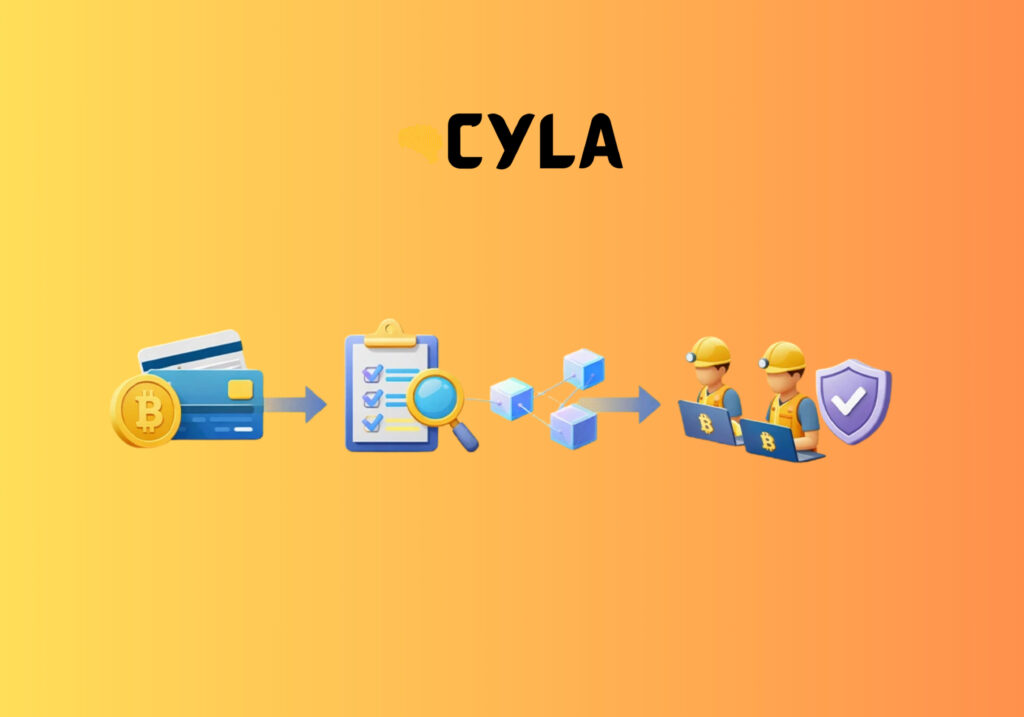
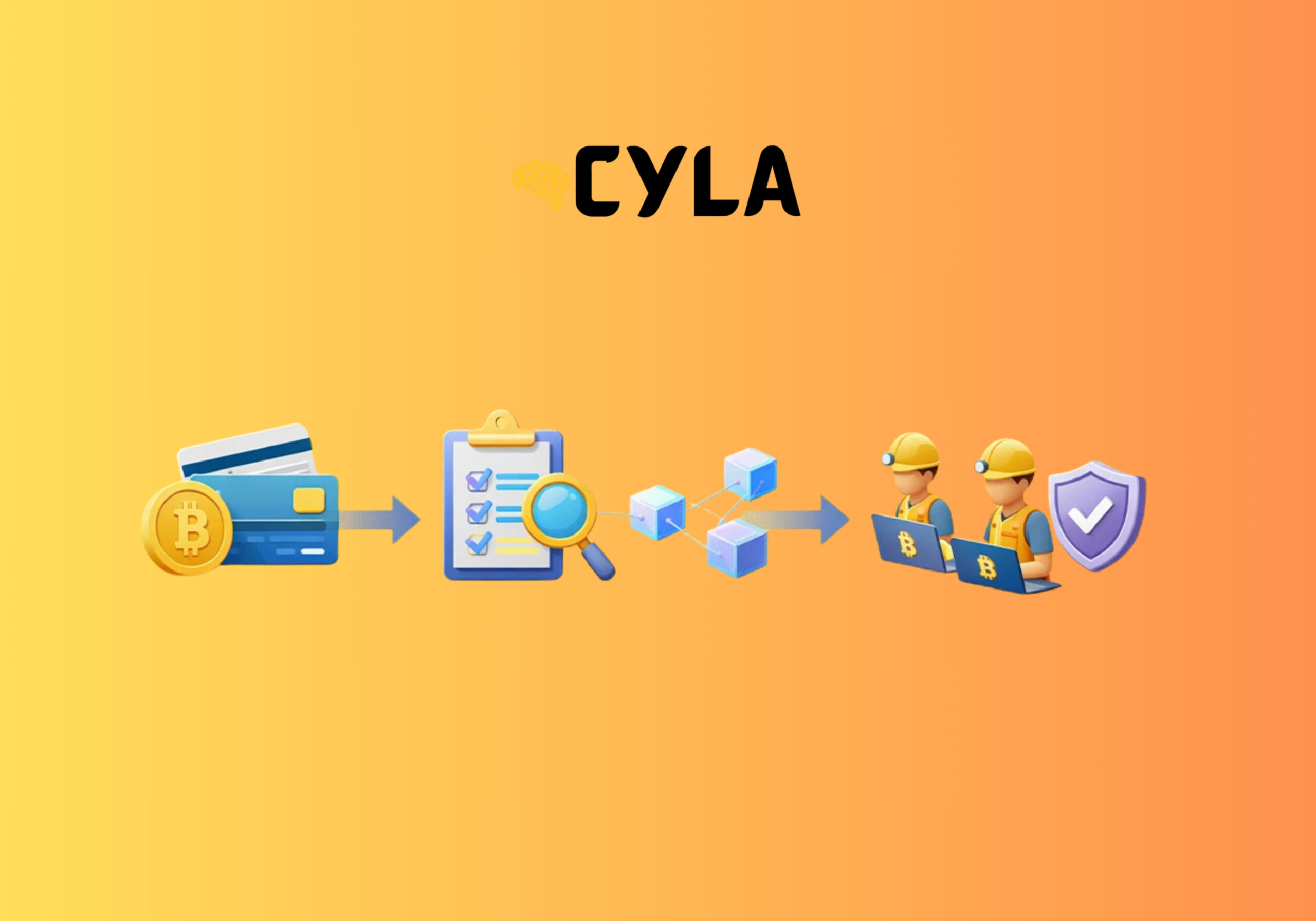
    A crypto transaction is verified when a network of computers confirms that:

    • The sender owns the cryptocurrency
    • The sender has enough funds
    • The transaction follows network rules
    • The cryptocurrency has not already been spent elsewhere

    Once verified, the transaction is added to a block and permanently recorded on the blockchain.

    Unlike traditional banking systems, no central authority approves the transaction. Instead, decentralized nodes, miners, or validators work together to reach consensus.


    What Does Transaction Verification Mean in Cryptocurrency?

    In traditional banking, your bank verifies transactions before money moves.

    Cryptocurrency works differently.

    There is no bank, government, or payment processor controlling the network. Instead, thousands of computers worldwide collaborate to verify transactions independently.

    This process prevents fraud and solves one of the biggest challenges in digital money:

    The Double-Spending Problem

    Without verification, someone could attempt to spend the same cryptocurrency twice.

    For example:

    • Send 1 BTC to Person A
    • Send the same 1 BTC to Person B

    Blockchain verification ensures only one valid transaction can be confirmed.

    As a result, every user can trust the system without relying on a central authority.

    For a deeper understanding of blockchain transaction costs, read our guide on What Are Gas Fees in Crypto and Why You Have to Pay Them.


    Why Crypto Transaction Verification Is Important

    Transaction verification serves several critical purposes.

    Prevents Fraud

    Verification ensures users cannot spend funds they do not own.

    Maintains Blockchain Security

    Every verified transaction strengthens the integrity of the network.

    Protects Against Double Spending

    The blockchain checks transaction history before approving transfers.

    Creates Permanent Records

    Once confirmed, transactions become part of an immutable ledger that anyone can verify.

    Therefore, transaction verification is one of the most important features that makes cryptocurrency trustworthy.


    Step-by-Step: How a Crypto Transaction Is Verified on a Blockchain Network

    Let’s walk through exactly what happens behind the scenes.

    Step 1: The Crypto Transaction Is Created and Digitally Signed

    Every crypto wallet contains two keys:

    Key TypePurpose
    Public KeySimilar to a bank account number
    Private KeySimilar to a secret password or PIN

    When you send cryptocurrency, your wallet uses your private key to create a digital signature.

    This signature proves:

    • You own the funds
    • You authorized the transaction
    • The transaction has not been altered

    Importantly, your private key remains hidden throughout the process.


    Step 2: The Transaction Is Broadcast to the Network

    After signing, your wallet sends the transaction to nearby blockchain nodes.

    Nodes are computers that maintain copies of the blockchain and validate transactions.

    Within seconds, the transaction spreads across thousands of computers globally.

    As a result, the entire network becomes aware of the pending transaction.


    Step 3: Nodes Verify the Transaction Details

    Before accepting the transaction, nodes perform several checks.

    They verify:

    • The digital signature is valid
    • The sender owns the funds
    • The sender has sufficient balance
    • The transaction follows network rules
    • The funds have not been spent previously

    If any check fails, the transaction is rejected immediately.

    Consequently, invalid or fraudulent transactions never reach the blockchain.


    Step 4: The Transaction Enters the Mempool

    Once verified by nodes, the transaction enters the mempool.

    The mempool acts as a waiting area for valid but unconfirmed transactions.

    Think of it as an airport departure lounge.

    Every verified transaction waits there until miners or validators select it for inclusion in a block.

    During periods of heavy activity, transactions with higher fees are often prioritized.

    This is why understanding gas fees matters.

    You can learn more in our guide on What Are Gas Fees in Crypto?


    Step 5: Miners or Validators Select the Transaction

    At this stage, miners or validators choose transactions from the mempool.

    Their selection is usually based on:

    • Transaction fees
    • Network rules
    • Available block space

    Generally, transactions offering higher fees are confirmed more quickly.

    Therefore, users who want faster processing often choose higher network fees.


    Step 6: The Transaction Is Added to a Block

    Once selected, the transaction becomes part of a newly created block.

    The block contains:

    • Multiple verified transactions
    • A timestamp
    • A cryptographic reference to the previous block

    Because each block links to the one before it, altering historical records becomes extremely difficult.

    This structure is what creates blockchain security.


    Step 7: The Block Is Added to the Blockchain

    After the block is validated through the network’s consensus mechanism, it is added permanently to the blockchain.

    Every node updates its copy of the ledger.

    At this point:

    ✅ The transaction is confirmed

    ✅ The recipient receives the funds

    ✅ The transaction becomes practically irreversible

    ✅ The blockchain record becomes permanent

    The verification process is complete.


    How Long Does Crypto Transaction Verification Take?

    Verification times vary depending on the blockchain network.

    BlockchainAverage Block TimeTypical Confirmation Time
    Bitcoin~10 minutes10–60 minutes
    Ethereum~12 secondsA few minutes
    Solana<1 secondNear instant
    XRP3–5 secondsSeconds
    BNB Chain~3 secondsSeconds
    TRON~3 secondsSeconds

    Although transactions can appear quickly, some platforms wait for multiple confirmations before crediting funds.


    What Affects Crypto Transaction Verification Speed?

    Several factors influence verification times.

    Network Congestion

    When many users send transactions simultaneously, the network becomes congested.

    Consequently, confirmation times increase.

    Transaction Fees

    Higher fees generally result in faster confirmations because miners and validators prioritize those transactions.

    Blockchain Design

    Different blockchains process transactions at different speeds.

    For example:

    • Bitcoin prioritizes security
    • Solana prioritizes speed
    • Ethereum balances both

    As a result, confirmation times vary significantly across networks.


    Common Crypto Transaction Verification Problems

    Why Is My Crypto Transaction Pending?

    The most common reason is a low transaction fee.

    When fees are too low, miners may prioritize other transactions first.

    Why Is My Crypto Transaction Taking So Long?

    Possible causes include:

    • Network congestion
    • Insufficient fees
    • Temporary blockchain issues
    • High transaction volume

    Can a Crypto Transaction Fail?

    Yes.

    If a transaction remains unconfirmed for too long, some nodes may remove it from the mempool.

    When this happens, the funds typically return to the sender’s wallet.


    How to Fix a Stuck Crypto Transaction

    If your transaction is pending for an unusually long time, several solutions may help.

    Replace-by-Fee (RBF)

    Some wallets allow you to resend the same transaction with a higher fee.

    As a result, miners are more likely to process it quickly.

    Child Pays for Parent (CPFP)

    This method creates a second transaction with a higher fee that incentivizes miners to process both transactions together.

    Wait for Network Activity to Decrease

    Sometimes the simplest solution is patience.

    When congestion drops, pending transactions often confirm automatically.


    How to Check If a Crypto Transaction Has Been Verified

    The easiest way to verify a transaction is with a blockchain explorer.

    Simply:

    1. Copy the transaction hash (TXID)
    2. Open a blockchain explorer
    3. Paste the TXID into the search bar
    4. Review confirmation details

    You’ll see:

    • Confirmation count
    • Transaction status
    • Sender address
    • Recipient address
    • Transaction fees
    • Timestamp

    For a full walkthrough, read our guide on How to Use a Blockchain Explorer to Confirm Transactions.


    Frequently Asked Questions (FAQs)

    How is a crypto transaction verified?

    A crypto transaction is verified by nodes, miners, or validators that confirm the transaction is legitimate and follows blockchain rules before adding it to a block.

    Can a crypto transaction be reversed after verification?

    No. Once confirmed and permanently recorded on the blockchain, transactions are generally irreversible.

    How many confirmations does Bitcoin need?

    Most exchanges and platforms consider six confirmations to be highly secure.

    Why is my crypto transaction still pending?

    The most common causes are low transaction fees or network congestion.

    What happens if I send crypto to the wrong wallet address?

    Blockchain transactions cannot usually be reversed. Always verify addresses carefully before sending funds.

    What is a mempool in crypto?

    A mempool is a temporary waiting area where valid but unconfirmed transactions are stored before being added to a block.

    How can I verify a crypto transaction myself?

    Use a blockchain explorer and search for the transaction hash (TXID) to view confirmation details.


    Final Thoughts: How Crypto Transaction Verification Works

    Crypto transaction verification may seem complex at first, but the underlying principle is simple.

    Thousands of independent computers work together to confirm transactions, prevent fraud, and maintain a secure record of ownership.

    From digital signatures and node validation to mempool processing and block confirmations, every step exists to ensure the integrity of the blockchain.

    Understanding how a crypto transaction is verified on a blockchain network helps you use cryptocurrency more confidently, troubleshoot delays, and verify payments independently.

    The next time you click “Send,” you’ll know exactly what’s happening behind the scenes.

    Ready to Cyla? 
    Convert crypto to cash instantly. Join 100,000+ users making crypto spendable anytime.
    Android | iOS 

  • USDT TRC20 Contract Address: How to Create, Verify & Use It Safely (2026)

    USDT TRC20 Contract Address: How to Create, Verify & Use It Safely (2026)

    If you send, receive, trade, or withdraw USDT, understanding a USDT TRC20 contract address is essential.

    One of the most common reasons people lose cryptocurrency is sending funds to the wrong network or wallet address. Fortunately, understanding how TRC20 works can help you avoid costly mistakes and transfer USDT safely.

    In this guide, you’ll learn:

    • What a USDT TRC20 contract address is
    • How the TRON blockchain works
    • How to create a TRC20 wallet address
    • How to verify a TRC20 address before sending funds
    • TRC20 vs ERC20 vs BEP20
    • Common mistakes that lead to lost funds
    • The best TRC20 wallets in Nigeria

    Whether you’re a freelancer receiving international payments, a crypto investor, a trader, or someone sending money abroad, this guide will help you use USDT TRC20 safely and efficiently.

    usdt-trc20-contract-address

    Quick Answer: What Is a USDT TRC20 Contract Address?

    Featured Snippet Answer

    A USDT TRC20 contract address is the official smart contract address that represents Tether (USDT) on the TRON blockchain. To send or receive USDT on the TRON network, users must use a TRC20-compatible wallet and select the TRC20 network during transactions.

    USDT TRC20 at a Glance

    FeatureDetails
    TokenUSDT (Tether)
    BlockchainTRON
    Token StandardTRC20
    Wallet Address FormatStarts with “T”
    Average Transfer SpeedUnder 1 Minute
    Transaction FeesVery Low
    Best Use CasesPayments, Transfers, Remittances, Withdrawals

    Why It Matters

    Using the wrong network when sending USDT can result in:

    • Delayed transactions
    • Failed transfers
    • Permanent loss of funds

    Understanding TRC20 helps ensure every transaction reaches the intended recipient safely.


    What Is TRC20?

    TRC20 is a token standard created for the TRON blockchain.

    A token standard defines the rules that cryptocurrencies follow on a blockchain network.

    For USDT, the TRC20 standard determines:

    • How tokens are transferred
    • How wallets interact with the token
    • How balances are managed
    • How transactions are validated

    Because TRC20 is optimized for speed and low transaction costs, it has become one of the most popular ways to transfer USDT worldwide.

    Benefits of TRC20

    • Fast transaction confirmations
    • Extremely low network fees
    • Wide wallet compatibility
    • Efficient international transfers
    • Strong support across major exchanges

    What Is a Contract Address in Cryptocurrency?

    A contract address is the unique blockchain address where a token’s smart contract resides.

    Think of it as the token’s official identity on a blockchain.

    A contract address controls:

    • Token supply
    • Transaction rules
    • Balance tracking
    • Transfer functionality

    For USDT on TRON, the contract address confirms that users are interacting with the legitimate version of Tether.


    How the TRON Blockchain Works

    TRON is a decentralized blockchain designed to support fast and affordable digital transactions.

    Unlike some blockchain networks that charge high fees during periods of congestion, TRON was built to process transactions efficiently at scale.

    Key Advantages of TRON

    FeatureBenefit
    Fast Confirmation TimesTransactions complete quickly
    Low FeesAffordable transfers
    High ScalabilitySupports large transaction volumes
    Global AccessibilityAvailable worldwide

    These advantages are a major reason why USDT TRC20 has become one of the most widely used stablecoin networks globally.


    Why USDT TRC20 Is Popular in Nigeria

    Nigeria remains one of the world’s fastest-growing cryptocurrency markets.

    Many users prefer USDT TRC20 because it offers significant advantages over alternative networks.

    Lower Transaction Costs

    Ethereum-based USDT transactions can become expensive during periods of high network activity.

    TRC20 transfers typically cost significantly less.

    Faster Transfers

    Most TRC20 transactions are confirmed within minutes.

    This makes it ideal for:

    • Freelancers
    • Remote workers
    • Businesses
    • Crypto traders
    • International remittances

    Better Crypto-to-Naira Conversion

    Many Nigerian crypto platforms support TRC20 deposits and withdrawals, making it easier to convert USDT into Naira quickly.


    TRC20 vs ERC20 vs BEP20: Which Network Is Best?

    Choosing the correct network is one of the most important parts of any crypto transaction.

    Network Comparison Table

    FeatureTRC20ERC20BEP20
    BlockchainTRONEthereumBNB Smart Chain
    Address FormatStarts with TStarts with 0xStarts with 0x
    Transaction SpeedVery FastModerateFast
    Network FeesVery LowHighLow
    Primary Use CasePayments & TransfersDeFi ApplicationsBinance Ecosystem
    Beginner FriendlyYesModerateYes

    Which Network Should You Use?

    For most users sending money, receiving payments, withdrawing funds, or transferring stablecoins, TRC20 is often the most cost-effective option due to its speed and low fees.


    How to Create a USDT TRC20 Wallet Address

    Creating a TRC20 wallet address takes only a few minutes.

    Below are some of the most popular options available.


    1. Create a TRC20 Address with Cyla

    Best For

    Receiving USDT and converting it to Naira.

    Steps

    1. Download the Cyla app
    2. Create an account
    3. Complete verification
    4. Open Wallets
    5. Select USDT (TRC20)
    6. Copy your wallet address

    Benefits

    ✅ Fast crypto receiving

    ✅ Easy withdrawals

    ✅ Beginner-friendly experience


    2. Create a TRC20 Address with Trust Wallet

    Best For

    Self-custody and wallet ownership.

    Steps

    1. Install Trust Wallet
    2. Create a wallet
    3. Save your recovery phrase securely
    4. Enable USDT (TRC20)
    5. Tap Receive
    6. Copy your address

    3. Create a TRC20 Address on Binance

    Best For

    Trading and investing.

    Steps

    1. Open Binance
    2. Go to Wallet
    3. Select Deposit
    4. Choose USDT
    5. Select TRC20
    6. Copy the address

    4. Create a TRC20 Address with TronLink

    Best For

    Dedicated TRON users.

    Steps

    1. Install TronLink
    2. Create a wallet
    3. Back up recovery phrase
    4. Open Receive
    5. Copy address

    5. Create a TRC20 Address on KuCoin

    Best For

    P2P trading and exchange withdrawals.

    Steps

    1. Log into KuCoin
    2. Select Assets
    3. Choose Deposit
    4. Select USDT
    5. Choose TRC20
    6. Copy address

    How to Verify a USDT TRC20 Address Before Sending Funds

    Verifying an address takes less than a minute and can prevent permanent loss of funds.


    Step 1: Check the Address Format

    NetworkAddress Begins With
    TRC20T
    ERC200x
    BEP200x
    Bitcoinbc1 or 1

    If the address does not begin with “T,” it may not be a TRC20 wallet.


    Step 2: Confirm the Network

    Ensure the receiving platform clearly shows:

    USDT (TRC20)

    or

    Network: TRON

    Never assume networks are compatible.


    Step 3: Verify Through a Blockchain Explorer

    Paste the wallet address into a TRON blockchain explorer.

    A valid address should display:

    • Transaction history
    • Wallet activity
    • Token balances

    Step 4: Send a Small Test Transaction

    Before transferring a large amount:

    1. Send a small amount
    2. Confirm successful receipt
    3. Proceed with the full transfer

    This simple habit can prevent costly mistakes.


    Common Uses for USDT TRC20

    Freelance Payments

    Receive international payments with lower fees.

    Business Transactions

    Send and receive payments globally.

    Exchange Withdrawals

    Most major exchanges support TRC20 withdrawals.

    Family Remittances

    Transfer money internationally without traditional banking delays.

    Crypto Trading

    Move funds between exchanges quickly and affordably.


    7 Costly USDT TRC20 Mistakes to Avoid

    Using the Wrong Network

    TRC20, ERC20, and BEP20 are not interchangeable.


    Copying the Wrong Address

    Always verify the first and last characters.


    Skipping Test Transactions

    A small test transfer can prevent major losses.


    Using Fake Wallet Applications

    Only download wallets from official sources.


    Sharing Recovery Phrases

    Never share your seed phrase with anyone.


    Not Confirming Recipient Compatibility

    Verify the recipient accepts TRC20 deposits.


    Rushing Large Transfers

    Review all transaction details carefully before confirming.


    Is USDT TRC20 Safe?

    Yes.

    USDT TRC20 is considered safe when users follow basic security practices.

    Best Practices

    • Use reputable wallets
    • Protect recovery phrases
    • Verify addresses carefully
    • Confirm network compatibility
    • Enable security features

    Most crypto losses occur because of user mistakes rather than network failures.


    Best Wallets for USDT TRC20 in Nigeria

    GoalRecommended Wallet
    Convert USDT to NairaCyla
    Self-CustodyTrust Wallet
    TRON EcosystemTronLink
    TradingBinance
    P2P TransactionsKuCoin

    Final Thoughts

    A USDT TRC20 contract address plays a critical role in sending, receiving, and storing USDT on the TRON blockchain.

    Its combination of low fees, fast transactions, and widespread support has made it one of the most popular stablecoin networks globally.

    Before every transfer:

    • Verify the network
    • Confirm the wallet address
    • Send a test transaction
    • Secure your recovery phrase

    Following these simple steps can help you avoid mistakes and enjoy faster, safer crypto transactions.


    Frequently Asked Questions (FAQs)

    What is a USDT TRC20 contract address?

    A USDT TRC20 contract address is the smart contract address that represents Tether on the TRON blockchain and facilitates USDT transactions on the TRC20 network.

    How do I get a USDT TRC20 wallet address?

    You can create a TRC20 wallet address using platforms such as Cyla, Trust Wallet, Binance, TronLink, and KuCoin.

    Does every TRC20 wallet address start with T?

    Yes. TRON wallet addresses typically begin with the letter “T”.

    Is TRC20 better than ERC20?

    For transfers and payments, TRC20 is often preferred because it provides lower fees and faster transaction confirmations.

    Can I send USDT TRC20 to an ERC20 wallet?

    No. Sending funds to the wrong network can result in permanent loss unless the receiving platform supports recovery.

    How do I verify a TRC20 address?

    Verify the address format, confirm the TRON network, review wallet activity on a blockchain explorer, and perform a small test transfer.

    Which wallet is best for USDT TRC20 in Nigeria?

    The best wallet depends on your needs. Trust Wallet is excellent for self-custody, while Cyla is suitable for receiving USDT and converting it to Naira.

    Ready to Cyla? 
    Convert crypto to cash instantly. Join 100,000+ users making crypto spendable anytime.
    Android | iOS 

  • 13 Best Crypto Apps in Nigeria Ranked by Real Users (2026)

    13 Best Crypto Apps in Nigeria Ranked by Real Users (2026)

    Finding the best crypto app in Nigeria shouldn’t feel like gambling with your money.

    Yet many Nigerians still struggle with:

    • Delayed withdrawals
    • Poor exchange rates
    • Fake crypto platforms
    • Slow customer support
    • P2P scams and disputes
    • High transaction fees

    The good news?

    There are reliable crypto apps that make buying, selling, storing, and cashing out cryptocurrency much easier.

    To create this ranking, we analyzed user feedback, platform features, ease of use, payout speed, supported cryptocurrencies, local payment options, and overall user experience.

    Whether you’re a beginner, trader, freelancer, investor, or business owner, this guide reveals the best crypto apps in Nigeria for 2026.

    best-crypto-apps-in-nigeria

    Quick Answer: What Is the Best Crypto App in Nigeria?

    The best crypto apps in Nigeria in 2026 are Cyla, Binance, Remitano, KuCoin, Busha, OKX, Yellow Card, Paxful, Luno, Kraken, Coinbase, Bitmama, and Quidax. The right choice depends on whether you want fast crypto-to-naira withdrawals, active P2P trading, advanced trading tools, or a beginner-friendly experience.

    Top Picks at a Glance

    CategoryBest App
    Best OverallCyla
    Best for TradingBinance
    Best for BeginnersBusha
    Best for AltcoinsKuCoin
    Best for Crypto CashoutsCyla
    Best African PlatformYellow Card
    Best Advanced Trading ToolsOKX
    Best SecurityKraken

    Crypto Apps in Nigeria: Rankings Overview

    RankCrypto AppUser RatingBest For
    1Cyla5.0Fast Crypto-to-Naira Conversion
    2Binance4.5Trading & P2P
    3Remitano4.5Escrow Transactions
    4KuCoin4.4Altcoin Trading
    5Busha4.4Beginners
    6OKX4.2Advanced Traders
    7Yellow Card4.0Simple Crypto Transactions
    8Paxful3.7Alternative P2P Trading
    9Luno3.2First-Time Crypto Users
    10Kraken3.2Security & Professional Trading
    11Coinbase3.1Crypto Storage
    12Bitmama2.6Multiple Financial Services
    13Quidax2.1Basic Crypto Transactions

    How We Ranked These Crypto Apps

    To ensure a fair comparison, we evaluated each platform based on:

    User Experience

    • Ease of navigation
    • Mobile app performance
    • Account setup process

    Security

    • Regulatory compliance
    • Two-factor authentication
    • User fund protection

    Nigerian Accessibility

    • Naira support
    • Local bank withdrawals
    • Availability in Nigeria

    Crypto Features

    • Supported coins
    • Trading tools
    • P2P functionality

    Speed

    • Deposit times
    • Withdrawal speed
    • Settlement reliability

    1. Cyla – Best Crypto App for Instant Crypto-to-Naira Withdrawals

    Rating: 5.0/5

    Cyla has become one of the most popular crypto cash-out platforms for Nigerians who want speed, simplicity, and convenience.

    Unlike traditional P2P platforms, users can receive cryptocurrency directly into their wallet and convert it into Naira without negotiating with buyers.

    Why Users Love Cyla

    • Instant payouts
    • No P2P trading required
    • Beginner-friendly interface
    • Fast account setup
    • Direct bank withdrawals

    Supported Assets

    • Bitcoin (BTC)
    • USDT
    • Litecoin (LTC)
    • Dogecoin (DOGE)

    Pros

    ✅ Crypto-to-naira conversion in minutes

    ✅ No P2P risks

    ✅ Clean mobile experience

    ✅ Quick bank settlements

    ✅ Easy for beginners

    Cons

    ❌ Does not offer crypto purchasing

    ❌ Available primarily for Nigerian users

    Related Reading:
    USDT TRC20 Contract Address: What It Is and How to Find It


    2. Binance – Best Crypto Trading App in Nigeria

    Rating: 4.5/5

    Binance remains the largest cryptocurrency exchange globally and offers extensive functionality for Nigerian users.

    Best Features

    • Massive coin selection
    • Active P2P marketplace
    • Futures trading
    • Staking options
    • Advanced trading tools

    Pros

    ✅ Large liquidity

    ✅ Strong P2P ecosystem

    ✅ Wide range of cryptocurrencies

    Cons

    ❌ Can overwhelm beginners

    ❌ Complex interface

    ❌ P2P transactions may require extra caution


    3. Remitano – Best Escrow-Based Crypto Platform

    Rating: 4.5/5

    Remitano built its reputation through secure escrow services and remains trusted by many Nigerian crypto users.

    Pros

    ✅ Secure escrow system

    ✅ Established reputation

    ✅ Reliable transaction process

    Cons

    ❌ Slower transactions

    ❌ Aging user interface

    ❌ Limited innovation


    4. KuCoin – Best for Altcoin Investors

    Rating: 4.4/5

    KuCoin is often called the home of emerging cryptocurrencies because of its extensive coin listings.

    Pros

    ✅ Hundreds of coins available

    ✅ Early token listings

    ✅ Trading bots and advanced tools

    Cons

    ❌ Complex platform

    ❌ Less active Nigerian P2P market

    ❌ Not ideal for beginners


    5. Busha – Best Beginner-Friendly Crypto App

    Rating: 4.4/5

    Busha offers one of the simplest crypto experiences for Nigerians.

    Pros

    ✅ Easy to use

    ✅ Local customer support

    ✅ Clean mobile app

    Cons

    ❌ Limited coin selection

    ❌ No P2P marketplace

    ❌ Few advanced trading features


    6. OKX – Best for Professional Traders

    Rating: 4.2/5

    OKX provides sophisticated tools for users seeking advanced trading capabilities.

    Pros

    ✅ Futures trading

    ✅ DeFi integration

    ✅ Staking opportunities

    Cons

    ❌ Steep learning curve

    ❌ Complex interface

    ❌ Lower Nigerian P2P activity


    7. Yellow Card – Best African-Focused Crypto Platform

    Rating: 4.0/5

    Yellow Card is designed specifically for African users seeking straightforward crypto services.

    Pros

    ✅ African-focused platform

    ✅ Easy onboarding

    ✅ Beginner-friendly

    Cons

    ❌ Limited cryptocurrency options

    ❌ No advanced trading tools

    ❌ No P2P marketplace


    8. Paxful – Best Alternative P2P Marketplace

    Rating: 3.7/5

    Paxful remains a recognized name in peer-to-peer cryptocurrency trading.

    Pros

    ✅ Multiple payment methods

    ✅ Large user community

    ✅ Flexible trading options

    Cons

    ❌ Increased scam concerns

    ❌ Frequent disputes

    ❌ Less beginner-friendly


    9. Luno – Best for Absolute Beginners

    Rating: 3.2/5

    Luno provides one of the easiest entry points into cryptocurrency investing.

    Pros

    ✅ Very simple interface

    ✅ Easy account setup

    ✅ Educational resources

    Cons

    ❌ Limited crypto selection

    ❌ Few advanced tools

    ❌ Not ideal for experienced traders


    10. Kraken – Best Security and Compliance

    Rating: 3.2/5

    Kraken is respected globally for security and regulatory standards.

    Pros

    ✅ Excellent security

    ✅ Professional trading features

    ✅ Strong reputation

    Cons

    ❌ No direct Naira support

    ❌ No Nigerian-focused services

    ❌ Limited local usability


    11. Coinbase – Best Crypto Wallet Alternative

    Rating: 3.1/5

    Coinbase remains one of the most trusted cryptocurrency brands worldwide.

    Pros

    ✅ User-friendly design

    ✅ Strong security

    ✅ Trusted globally

    Cons

    ❌ No direct Naira support

    ❌ Limited local functionality

    ❌ Not optimized for Nigerian users


    12. Bitmama – Best Multi-Service Crypto Platform

    Rating: 2.6/5

    Bitmama combines cryptocurrency with additional financial products.

    Pros

    ✅ Multiple financial services

    ✅ Nigerian-focused platform

    Cons

    ❌ App stability issues

    ❌ Smaller crypto selection

    ❌ Inconsistent performance


    13. Quidax – Best for Simple Crypto Transactions

    Rating: 2.1/5

    Quidax remains a popular local exchange for straightforward cryptocurrency transactions.

    Pros

    ✅ Nigerian-focused

    ✅ Naira support

    ✅ Easy onboarding

    Cons

    ❌ Limited trading features

    ❌ No P2P marketplace

    ❌ Smaller coin inventory


    Best Crypto Apps by Use Case

    Best Crypto Apps for Beginners

    AppWhy It’s Great
    CylaEasy interface
    LunoBeginner-friendly
    Yellow CardSimple transactions
    BushaFast crypto cashouts

    Best Crypto Apps for Traders

    AppBest Feature
    BinanceMassive liquidity
    CylaFutures trading
    KuCoinAltcoins
    KrakenSecurity

    Best Apps for Converting Crypto to Naira

    AppSpeed
    CylaVery Fast
    BushaFast
    Yellow CardFast
    QuidaxModerate

    Best P2P Crypto Apps in Nigeria

    AppP2P Activity
    BinanceVery High
    PaxfulHigh
    KuCoinModerate
    OKXModerate

    What Features Should You Look for in a Crypto App?

    Before choosing a crypto platform, consider:

    Security

    Look for:

    • Two-factor authentication
    • Cold wallet storage
    • Strong reputation

    Fees

    Compare:

    • Trading fees
    • Withdrawal fees
    • Deposit charges

    Supported Coins

    Ensure the platform supports:

    • Bitcoin
    • USDT
    • Ethereum
    • Other coins you intend to use

    Local Banking Support

    For Nigerian users, easy Naira deposits and withdrawals are critical.


    Final Verdict

    The best crypto app in Nigeria depends on your goals.

    Choose Cyla if your priority is converting crypto to Naira quickly.

    Choose Binance if you want the most complete trading ecosystem.

    Choose Busha or Luno if you’re just getting started.

    Choose OKX or KuCoin if you’re an experienced trader looking for advanced features.

    No matter which platform you choose, always enable security features, verify transactions carefully, and never invest more than you can afford to lose.


    Frequently Asked Questions (FAQs)

    Which crypto app is best in Nigeria?

    Cyla, Binance, Busha, and KuCoin are among the best crypto apps in Nigeria, depending on whether you need trading, investing, or crypto-to-naira withdrawals.

    What is the safest crypto app in Nigeria?

    Kraken, Binance, Coinbase, and Busha are widely recognized for strong security measures and user protection.

    Which crypto app allows direct withdrawal to a Nigerian bank account?

    Several platforms support local withdrawals, including Cyla, Busha, Yellow Card, and Quidax.

    What is the best crypto app for beginners?

    Busha, Luno, and Yellow Card are among the easiest crypto apps for beginners to use.

    Which crypto app has the lowest fees in Nigeria?

    Fee structures vary, but many users prefer Binance and Cyla for cost-effective crypto transactions.

    Is Binance still available in Nigeria?

    Yes, many Nigerians continue to use Binance for crypto trading and peer-to-peer transactions.

    Which crypto app is best for converting USDT to Naira?

    Cyla is one of the most popular options for converting USDT and other cryptocurrencies into Naira quickly.

    Ready to Cyla? 
    Convert crypto to cash instantly. Join 100,000+ users making crypto spendable anytime.
    Android | iOS 

  • 9 Best Sites for Fiat to Crypto in Nigeria (2026)

    9 Best Sites for Fiat to Crypto in Nigeria (2026)

    Converting Naira into cryptocurrency is the first step for anyone looking to invest in digital assets, send international payments, hedge against inflation, or participate in the growing crypto economy.

    With dozens of crypto exchanges, P2P marketplaces, and crypto on-ramp services available today, choosing the right platform can significantly affect your costs, security, and transaction speed.

    Whether you’re buying Bitcoin for the first time, purchasing USDT for international transactions, or investing in Ethereum, selecting the best fiat-to-crypto platform can help you avoid unnecessary fees and security risks.

    In this guide, you’ll discover:

    • What fiat-to-crypto means
    • How crypto on-ramps and off-ramps work
    • How Nigerians buy cryptocurrency in 2026
    • The 9 best fiat-to-crypto platforms in Nigeria
    • Key factors to consider before choosing a platform
    • Security tips for buying crypto safely


    fiat-to-crypto-in-nigeria


    Quick Answer: What Is the Best Fiat-to-Crypto Platform in Nigeria?

    The best fiat-to-crypto platforms in Nigeria in 2026 include Cyla, Bybit, KuCoin, Gate.io, Bitget, Coinbase, Kraken, Luno, and MEXC. The ideal platform depends on your goals, whether you prioritize low fees, fast Naira deposits, advanced trading features, security, or access to hundreds of cryptocurrencies.

    Top Picks at a Glance

    CategoryBest Platform
    Best OverallCyla
    Best P2P ExchangeBybit
    Best for AltcoinsKuCoin
    Best for BeginnersLuno
    Best for SecurityKraken
    Best for Copy TradingBitget
    Best for Advanced TradingGate.io
    Best for New Token ListingsMEXC

    What Is Fiat-to-Crypto?

    Fiat-to-crypto refers to the process of converting traditional government-issued currencies into cryptocurrency.

    A few common examples include:

    Fiat CurrencyCryptocurrency
    Naira (NGN)Bitcoin (BTC)
    Naira (NGN)USDT
    Naira (NGN)Ethereum (ETH)
    US Dollar (USD)Bitcoin (BTC)
    Euro (EUR)Ethereum (ETH)

    Simply put, anytime you exchange Naira for Bitcoin, Ethereum, USDT, or another cryptocurrency, you are using a fiat-to-crypto service.


    Understanding Crypto On-Ramps and Off-Ramps

    Before choosing a platform, it’s important to understand the difference between crypto on-ramps and off-ramps.

    What Is a Crypto On-Ramp?

    A crypto on-ramp allows users to convert traditional currency into cryptocurrency.

    Examples:

    • Naira → Bitcoin
    • Naira → USDT
    • Naira → Ethereum

    Crypto on-ramps make it easier for beginners to enter the cryptocurrency market.

    What Is a Crypto Off-Ramp?

    A crypto off-ramp allows users to convert cryptocurrency back into traditional currency.

    Examples:

    • Bitcoin → Naira
    • Ethereum → Naira
    • USDT → Naira

    The best platforms support both on-ramp and off-ramp services, providing maximum flexibility.


    How Nigerians Buy Cryptocurrency in 2026

    The Nigerian crypto ecosystem has evolved significantly over the last few years.

    Today, most users purchase cryptocurrency using one of these methods.

    1. Crypto On-Ramp Services

    These services allow users to deposit Naira and receive cryptocurrency directly into their wallets.

    Best For

    • Beginners
    • Stablecoin purchases
    • Fast transactions
    • Easy onboarding

    2. Peer-to-Peer (P2P) Exchanges

    P2P marketplaces connect buyers and sellers directly while using escrow systems for protection.

    Best For

    • Competitive exchange rates
    • Large transactions
    • Local payment methods

    3. Crypto Exchanges with Nigerian Support

    Many global exchanges now support Nigerian users through P2P marketplaces and local payment methods.

    Best For

    • Active traders
    • Investors
    • Long-term crypto holders

    Top 9 Fiat-to-Crypto Platforms in Nigeria (2026)

    1. Cyla – Best Fiat-to-Crypto Platform for Beginners

    Rating: 5/5

    Cyla offers one of the easiest ways to convert Naira into cryptocurrency without navigating complex exchange interfaces.

    Its streamlined process makes it particularly attractive to first-time crypto users.

    Key Features

    • Fast Naira-to-crypto conversion
    • Simple onboarding
    • User-friendly dashboard
    • Quick transaction processing

    Pros

    ✅ Easy to use

    ✅ Fast account setup

    ✅ Beginner-friendly experience

    ✅ Smooth transaction process

    Cons

    ❌ Smaller cryptocurrency selection compared to major exchanges

    Best For

    Users seeking a simple and straightforward way to buy cryptocurrency with Naira.


    2. Bybit – Best P2P Crypto Exchange in Nigeria

    Rating: 4.8/5

    Bybit has rapidly become one of the most trusted crypto exchanges for Nigerian users.

    Its active P2P marketplace offers competitive exchange rates and multiple payment options.

    Pros

    ✅ Active Nigerian P2P marketplace

    ✅ Competitive rates

    ✅ Escrow protection

    ✅ Multiple payment methods

    Cons

    ❌ Transaction speed depends on seller responsiveness

    Best For

    Users looking for flexibility and competitive pricing.


    3. KuCoin – Best for Altcoin Investors

    Rating: 4.7/5

    KuCoin supports hundreds of cryptocurrencies and offers access to many emerging crypto projects.

    Pros

    ✅ Huge coin selection

    ✅ Active P2P trading

    ✅ Competitive fees

    Cons

    ❌ Learning curve for beginners

    Best For

    Investors seeking access to altcoins beyond Bitcoin and Ethereum.


    4. Gate.io – Best for Advanced Crypto Trading

    Rating: 4.6/5

    Gate.io provides advanced trading tools and extensive cryptocurrency options.

    Pros

    ✅ Advanced charting

    ✅ Large crypto inventory

    ✅ Multiple earning products

    Cons

    ❌ Complex for new users

    Best For

    Experienced traders and investors.


    5. Bitget – Best for Copy Trading

    Rating: 4.5/5

    Bitget allows users to follow and replicate successful traders automatically.

    Pros

    ✅ Industry-leading copy trading

    ✅ Active P2P marketplace

    ✅ Competitive fees

    Cons

    ❌ Requires basic trading knowledge

    Best For

    Users interested in learning from experienced traders.


    6. Coinbase – Best for Simplicity and Trust

    Rating: 4.4/5

    Coinbase remains one of the most recognized cryptocurrency brands globally.

    Pros

    ✅ Strong security

    ✅ User-friendly interface

    ✅ Trusted worldwide

    Cons

    ❌ No direct Naira support

    ❌ Limited Nigerian-specific services

    Best For

    Users who prioritize security and simplicity.


    7. Kraken – Best for Security

    Rating: 4.4/5

    Kraken is known for its commitment to transparency, regulation, and security.

    Pros

    ✅ Excellent security record

    ✅ Transparent operations

    ✅ Reliable platform

    Cons

    ❌ No local Nigerian payment support

    Best For

    Long-term investors focused on safety.


    8. Luno – Best for First-Time Crypto Buyers

    Rating: 4.3/5

    Luno remains one of the easiest crypto platforms for Nigerians to navigate.

    Pros

    ✅ Beginner-friendly interface

    ✅ Local market presence

    ✅ Easy account verification

    Cons

    ❌ Smaller coin selection

    Best For

    Users purchasing cryptocurrency for the first time.


    9. MEXC – Best for Emerging Crypto Projects

    Rating: 4.2/5

    MEXC is popular among traders seeking early access to newly listed cryptocurrencies.

    Pros

    ✅ Large altcoin selection

    ✅ Frequent token launches

    ✅ Competitive trading fees

    Cons

    ❌ No direct Naira deposit options

    Best For

    Experienced crypto investors looking for growth opportunities.


    Comparison Table: Best Fiat-to-Crypto Platforms in Nigeria

    PlatformBest ForNaira SupportP2P TradingBeginner Friendly
    CylaEasy Crypto PurchasesYesNoYes
    BybitP2P TradingYesYesModerate
    KuCoinAltcoinsYesYesModerate
    Gate.ioAdvanced TradingLimitedYesNo
    BitgetCopy TradingYesYesModerate
    CoinbaseSecurityNoNoYes
    KrakenSecurityNoNoModerate
    LunoBeginnersYesNoYes
    MEXCNew TokensLimitedYesModerate

    How to Choose the Best Fiat-to-Crypto Platform

    Before opening an account, compare the following factors carefully.

    Fees

    Check:

    • Trading fees
    • Deposit fees
    • Withdrawal fees
    • P2P spreads

    Payment Methods

    Look for support for:

    • Bank transfers
    • Debit cards
    • Local payment options

    Security Features

    The best crypto platforms offer:

    • Two-factor authentication (2FA)
    • Cold wallet storage
    • Escrow protection
    • Anti-phishing tools

    Liquidity

    High liquidity provides:

    • Better exchange rates
    • Faster order execution
    • Reduced slippage

    Transaction Speed

    Fast transaction processing is essential when market conditions change quickly.


    How to Buy Crypto Safely in Nigeria

    Cryptocurrency scams continue to affect many users.

    Follow these best practices.

    Use Escrow Protection

    Never complete P2P trades outside an exchange’s escrow system.

    Verify Payments Before Releasing Crypto

    Always confirm funds have arrived in your account.

    Trade with Verified Merchants

    Review:

    • Ratings
    • Reviews
    • Trade history

    Enable Two-Factor Authentication

    Protect your account using:

    • Strong passwords
    • 2FA
    • Secure email accounts

    Why More Nigerians Are Buying USDT Instead of Bitcoin

    Many Nigerians now prefer USDT because:

    • It maintains a stable value
    • It is widely accepted
    • It reduces market volatility risks
    • It simplifies international payments

    For many users, USDT serves as a digital dollar alternative.

    Related Reading:
    USDT TRC20 Contract Address: What It Is, How to Create One, and How to Verify It


    Final Thoughts

    Choosing the best fiat-to-crypto platform in Nigeria depends on your specific needs.

    If you want a simple experience, beginner-friendly platforms are ideal. If you need access to hundreds of cryptocurrencies, larger exchanges may be better suited. If security is your primary concern, focus on platforms with strong compliance and protection measures.

    No matter which platform you choose:

    • Compare fees carefully
    • Enable security features
    • Use escrow protection
    • Verify transactions before confirming

    With the right platform, converting Naira into Bitcoin, USDT, Ethereum, and other cryptocurrencies can be fast, secure, and cost-effective.


    Frequently Asked Questions (FAQs)

    What is fiat-to-crypto?

    Fiat-to-crypto refers to converting traditional currencies such as Naira, Dollars, or Euros into cryptocurrencies like Bitcoin, Ethereum, or USDT.

    How can I buy Bitcoin with Naira in Nigeria?

    You can buy Bitcoin using crypto exchanges, P2P marketplaces, or crypto on-ramp services that support Naira deposits.

    Which fiat-to-crypto platform is best for beginners?

    Cyla and Luno are among the easiest platforms for beginners because they offer simple interfaces and straightforward onboarding.

    Yes. Cryptocurrency ownership and trading remain legal in Nigeria, although certain banking restrictions may apply.

    What is the safest way to buy crypto in Nigeria?

    The safest method is using reputable exchanges with escrow protection, verified merchants, two-factor authentication, and strong security practices.

    Which platform has the lowest crypto buying fees?

    Fees vary depending on payment method, trading volume, and platform. Comparing spreads and transaction charges before buying is recommended.

    Can I buy USDT directly with Naira?

    Yes. Several crypto platforms allow users to purchase USDT directly using Naira through P2P trading or crypto on-ramp services.

    Ready to Cyla? 
    Convert crypto to cash instantly. Join 100,000+ users making crypto spendable anytime.
    Android | iOS