Author: instaprohq@gmail.com

  • Crypto vs Forex Trading in Nigeria (2026): Key Differences, Risks & Which Is Better for You

    Crypto vs Forex Trading in Nigeria (2026): Key Differences, Risks & Which Is Better for You

    Crypto and forex. Two trading markets. Both promise profit. Both carry risk. Yet most Nigerians still confuse the two — or simply pick one without understanding why.

    If you have ever wondered whether crypto trading or forex trading suits you better, this guide gives you a direct, honest answer. Specifically, we compare both markets across seven key dimensions: what they are, market hours, volatility, regulation, liquidity, costs, and suitability for Nigerian traders. Furthermore, we explain exactly how to convert your crypto profits to Naira instantly once you start winning.
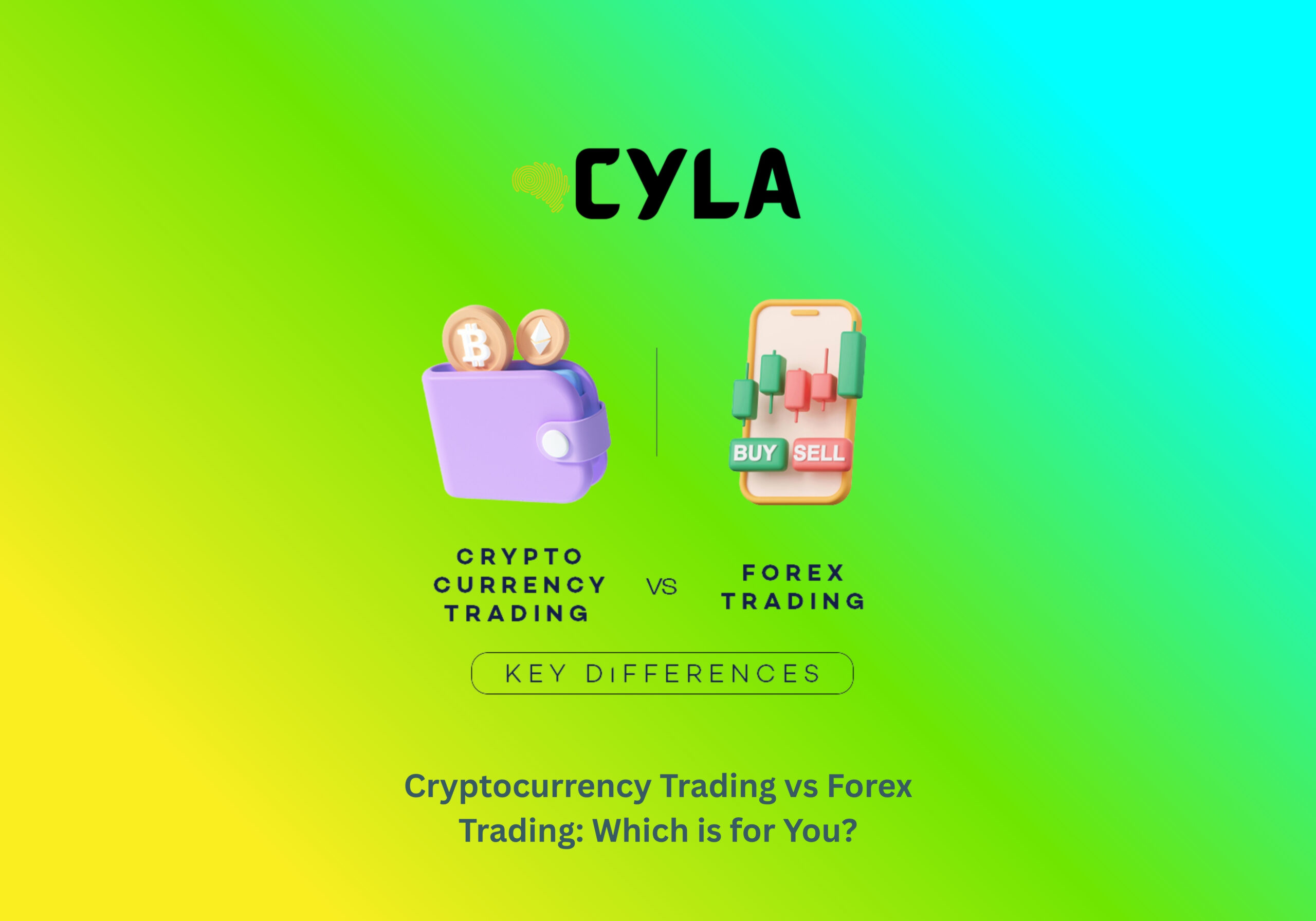
    cryptocurrency-trading-vs-forex-trading

    By the end of this article, you will know which market fits your personality, schedule, and risk appetite — and how to get started confidently.

    Overview: What Is Crypto Trading vs Forex Trading?

    Before comparing the two markets, it helps to understand exactly what each one involves. Although they share similarities on the surface, they operate in fundamentally different ways.

    What Is Crypto Trading?

    Crypto trading means buying and selling digital currencies — such as Bitcoin (BTC), Ethereum (ETH), Solana (SOL), and thousands of others — on decentralised or centralised exchanges. Unlike traditional financial systems, no single bank or government controls the crypto market. Instead, prices move based on blockchain data, social sentiment, news events, and large institutional trades.

    As a result, the crypto market stays open 24 hours a day, 7 days a week, 365 days a year. There are no closing bells and no weekends off. Consequently, opportunities — and risks — can arise at any hour.

    What Is Forex Trading?

    Forex trading, short for foreign exchange trading, involves swapping one government-issued currency for another. For example, you might trade EUR/USD (Euro against US Dollar) or GBP/JPY (British Pound against Japanese Yen) through a regulated broker connected to major banks.

    The forex market is the largest financial market in the world. According to the Bank for International Settlements 2025 survey, it processes approximately $9.6 trillion in average daily trading volume. In contrast to crypto, however, forex closes on weekends and operates across defined trading sessions — the Tokyo, London, and New York sessions.

    Crypto vs Forex: At-a-Glance Comparison Table

    The table below summarises the core differences between crypto trading and forex trading. Use it as a quick reference throughout this guide:

    FeatureCrypto TradingForex Trading
    Market Hours24/7, 365 days a year24/5, closed weekends
    Daily Volume (2026)~$150-250 billion$9.6 trillion+
    VolatilityVery high (3-20%+ daily)Low-medium (<1% most days)
    RegulationPartial — varies by countryHeavy — FCA, CFTC, ASIC etc.
    Leverage AvailableUp to 50x-100xCapped at 30:1 (EU), 50:1 (US)
    Assets TradedBTC, ETH, SOL, XRP + 10,000+USD, EUR, GBP, JPY + ~180 pairs
    Entry BarrierLow — internet + exchangeMedium — KYC + broker approval
    Profit PotentialHigh but unpredictableSteady but often modest
    Best ForHigh-risk, flexible-schedule tradersDisciplined, routine-driven traders

    Market Hours and Accessibility: Crypto vs Forex

    Crypto Market Hours: Always Open

    One of the biggest advantages of crypto trading is that the market never closes. Therefore, whether you work a 9-5 job, trade at midnight, or operate across time zones, crypto is always accessible. For many Nigerian traders who hold full-time employment during the day, this flexibility makes crypto particularly attractive.

    In addition, opening a crypto trading account is straightforward. Most exchanges require only an email address and basic KYC verification. As a result, you can go from signing up to placing your first trade within minutes.

    Forex Market Hours: Structured Sessions

    The forex market, by contrast, operates Monday to Friday across three major trading sessions. Specifically, the sessions are the Asian session (centred on Tokyo), the European session (centred on London), and the North American session (centred on New York). The most liquid and active period occurs when the London and New York sessions overlap — typically between 1 PM and 5 PM Nigerian time.

    Consequently, forex suits traders who prefer a structured routine. Because the market closes on weekends, you get predictable downtime to review your strategy. However, this also means you might miss significant opportunities that occur outside market hours, which does not happen with crypto.

    Which Wins on Accessibility for Nigerian Traders?

    For Nigerian traders, crypto wins on accessibility. Not only does it stay open 24/7, but it also requires no minimum deposit at many exchanges and accepts local payment methods. Furthermore, with platforms like Cyla, you can convert crypto profits directly to Naira and receive the funds in your bank account within minutes.

    Volatility and Risk: Crypto vs Forex Trading

    Crypto Volatility: High Risk, High Reward

    Crypto is, without question, the more volatile of the two markets. Daily price swings of 10-20% are common for smaller coins. Even Bitcoin — the most established cryptocurrency — regularly moves 3-5% in a single day. Moreover, a single tweet from a major influencer, a regulatory announcement, or a large exchange hack can trigger massive price movements at any hour.

    As a result, crypto trading offers substantial profit opportunities. However, it also carries the risk of equally dramatic losses. Therefore, risk management tools such as stop-loss orders and position sizing are not optional in crypto — they are essential.

    Forex Volatility: Steady and Predictable

    Forex, in contrast, moves in much smaller increments. Most major currency pairs, such as EUR/USD, move less than 1% on a typical trading day. However, significant economic events — for example, central bank interest rate decisions, Brexit-style political shocks, or major geopolitical crises — can introduce sharp volatility even in forex.

    Furthermore, because forex liquidity is so deep — with trillions of dollars trading daily — large orders rarely move the price significantly. Consequently, slippage (the gap between your expected price and the price you actually receive) occurs far less frequently in forex than in crypto.

    Volatility Summary

    Crypto waves are steep, fast, and unpredictable. Forex waves roll more slowly and smoothly. Therefore, pick crypto if you thrive on fast-moving opportunities and pick forex if you prefer gradual, calculated movements.

    Regulation and Security: Which Market Is Safer?

    Forex Regulation: Heavily Protected

    The forex market operates under strict oversight from globally recognised regulators. Specifically, these include the Financial Conduct Authority (FCA) in the UK, the Commodity Futures Trading Commission (CFTC) in the US, and the Australian Securities and Investments Commission (ASIC). As a result of this oversight, regulated forex brokers must hold client funds in segregated accounts, undergo regular audits, and comply with minimum capital requirements. In many regions, negative-balance protection also prevents traders from losing more than their initial deposit.

    Crypto Regulation: Evolving but Improving

    Crypto regulation, by contrast, remains uneven across countries. However, the situation is rapidly improving. In Nigeria specifically, the Securities and Exchange Commission (SEC) and the Central Bank of Nigeria (CBN) have both issued frameworks for regulated crypto activity as of 2026. Furthermore, several major exchanges now enforce strict KYC and anti-money-laundering (AML) procedures globally.

    Nevertheless, compared to forex, the crypto space still carries higher risks of hacks, exit scams, and exchange insolvencies. Therefore, security best practices — such as using reputable platforms and not leaving large amounts on exchanges — remain critically important for crypto traders.

    Security Best Practices for Both Markets

    • Crypto: Use only well-established, KYC-compliant exchanges. Store long-term holdings in hardware wallets such as Ledger or Trezor. Furthermore, enable two-factor authentication on all accounts.
    • Forex: Choose tier-one regulated brokers with transparent fee structures and segregated client funds. In addition, verify the broker’s regulatory status before depositing any money.

    Liquidity, Leverage, and Trading Costs Compared

    Liquidity

    Forex dominates on liquidity. With over $9.6 trillion in daily volume, major forex pairs trade instantly at tight spreads regardless of order size. In contrast, crypto markets — while growing fast — process approximately $150-250 billion daily. As a result, large crypto orders can move prices significantly, especially for smaller altcoins outside the top 20 by market capitalisation.

    Leverage

    Both markets offer leverage — the ability to control a larger position than your account balance. However, the levels differ considerably. In crypto, some platforms offer up to 100x leverage, meaning a 1% price move can double or wipe out your position. In regulated forex markets, however, leverage is capped at 30:1 for retail traders in the EU and 50:1 in the US. Consequently, forex leverage is more controlled and therefore less likely to cause catastrophic losses for inexperienced traders.

    Trading Costs

    Forex costs are typically embedded in the spread — the difference between the buy and sell price. For major pairs, spreads can be as tight as 0.1 pips. In addition, some brokers charge a commission per trade. Crypto costs usually appear as a percentage fee per transaction — for example, 0.1% on Binance or 0.01% on Bitget. Furthermore, network (gas) fees apply when withdrawing crypto to an external wallet.

    Crypto vs Forex: Which Is Better for Nigerian Traders?

    The honest answer is that neither market is universally better. Instead, the right choice depends entirely on your trading style, risk tolerance, schedule, and financial goals. Use the guide below to make your decision:

    Your Trading StyleChoose This Market
    You want 24/7 access and hate weekends offCrypto
    You prefer clear start/stop times and weekends freeForex
    You want high volatility and big short-term swingsCrypto
    You prefer steady, predictable price movementsForex
    You want to start with a small amount quicklyCrypto
    You want heavily regulated, secure trading environmentForex
    You trade on mobile at odd hours or across time zonesCrypto
    You prefer structured economic calendars and news cyclesForex
    You want to convert profits to Naira fastCrypto + Cyla Wallet
    You want to trade both markets for maximum opportunityCrypto + Forex

    Many experienced Nigerian traders, moreover, do both. They trade forex during weekdays for steady, disciplined gains and switch to crypto on weekends for higher-risk opportunities. As a result, they balance structure with spontaneity.

    How to Convert Crypto Trading Profits to Naira Instantly

    One of the most important — yet often overlooked — parts of crypto trading in Nigeria is knowing how to cash out efficiently. Specifically, when your trades go well, you need a fast, reliable way to convert Bitcoin, USDT, Ethereum, or other coins directly to Naira.

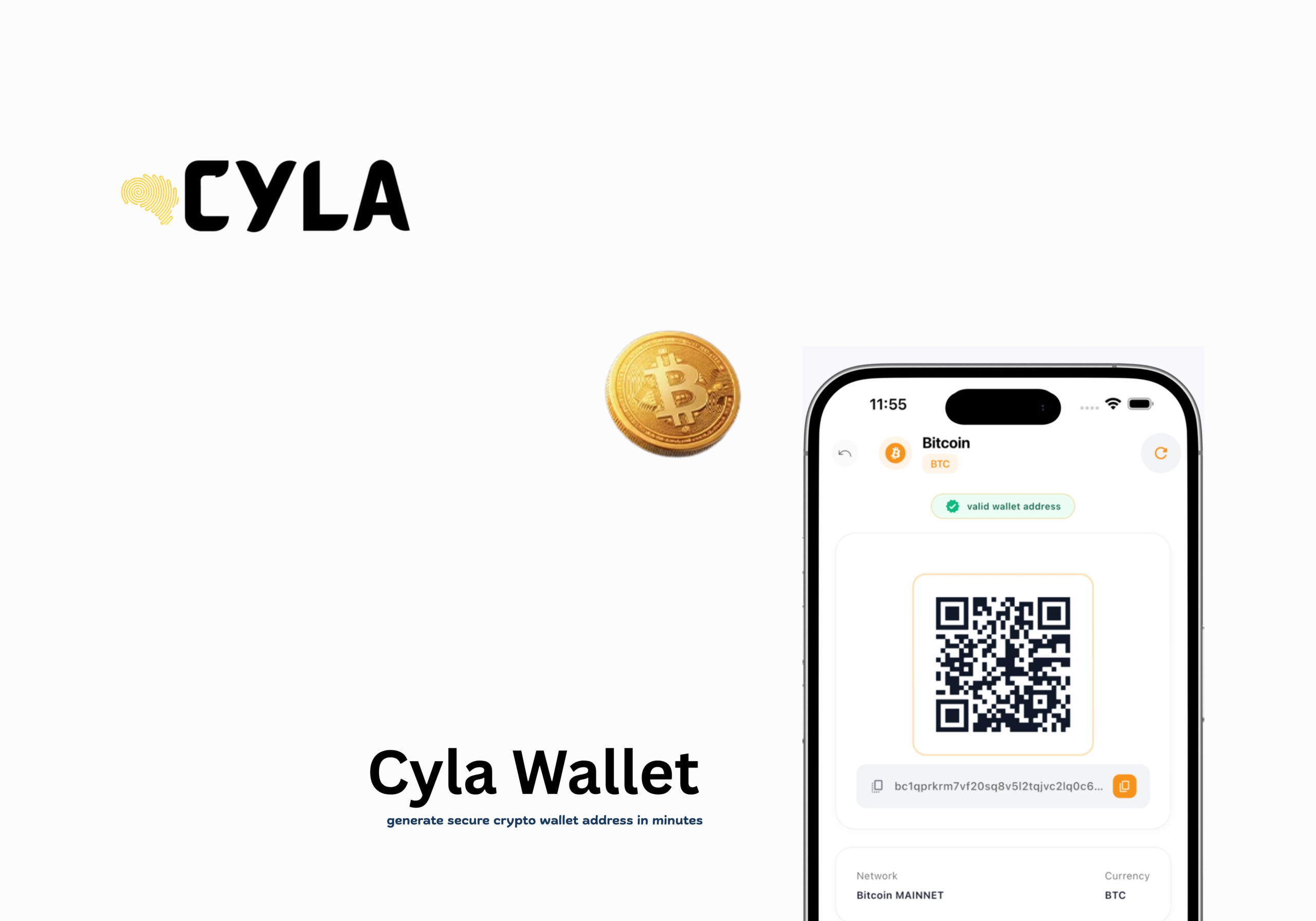
    That is exactly where Cyla Wallet makes a difference. Instead of hunting for P2P buyers, negotiating rates, or waiting hours for settlement, Cyla converts your crypto profits to Naira in under five minutes. Furthermore, Cyla sends the money straight to your Nigerian bank account — no delays, no middlemen.

    Why Nigerian Crypto Traders Use Cyla for Withdrawals

    • Speed: Convert BTC, ETH, USDT, LTC, or Solana to Naira in under five minutes — much faster than P2P platforms
    • Simplicity: No rate negotiations, no finding buyers, no back-and-forth messaging
    • Reliability: Trusted by over 250,000 users across Nigeria and Ghana
    • Security: Non-custodial-style architecture keeps your addresses secure
    • Coverage: Supports Bitcoin, Ethereum, USDT (TRC20 and ERC20), Litecoin, Solana, and more

    Ready to cash out your crypto profits? Join 250,000+ Nigerians who use Cyla to convert crypto to Naira in minutes. Download the app or sign up at cyla.ng.

    Next Steps: How to Start Trading Crypto or Forex in Nigeria

    Whether you choose crypto, forex, or both, the following five steps will help you build a solid foundation as a Nigerian trader:

    1. Start with a demo account — Before risking real money, practice on both platforms. Most brokers and exchanges offer paper trading accounts where you can test strategies without financial risk.
    2. Build a written trading plan — Define your time frame, position size, stop-loss level, and profit target. Write it down. Specifically, traders who follow a written plan consistently outperform those who trade on impulse.
    3. Educate yourself daily — For forex, follow economic calendars and central bank news. For crypto, track social channels, developer updates, and on-chain metrics. In addition, join reputable Nigerian trading communities to stay informed.
    4. Manage your risk strictly — Never risk more than 1-2% of your account on a single trade. Moreover, start with the smallest possible position size and scale up only as your strategy proves profitable.
    5. Keep a detailed trading journal — Record every trade: date, asset, entry price, exit price, result, and your emotional state. Review it weekly. As a result, you will identify patterns and eliminate costly mistakes faster than most traders.

    Frequently Asked Questions: Crypto vs Forex Trading

    Is crypto trading better than forex trading for Nigerians?

    Neither market is universally better. However, crypto trading suits Nigerians who want 24/7 access, high volatility, and fast entry — especially those who also want to convert profits to Naira quickly via platforms like Cyla. Forex, on the other hand, suits disciplined traders who prefer a structured, regulated environment with predictable market hours.

    What is the main difference between crypto and forex trading?

    The key differences are market hours, volatility, and regulation. Specifically, crypto trades 24/7 with high volatility and limited regulation, while forex trades 24/5 with lower volatility and heavy regulation from authorities like the FCA and CFTC. Furthermore, forex has a much larger daily trading volume ($9.6 trillion vs $150-250 billion for crypto).

    Which is more profitable — crypto or forex trading?

    Crypto offers higher short-term profit potential due to its extreme volatility. As a result, skilled crypto traders can achieve larger percentage gains in shorter timeframes. However, forex provides more consistent, predictable returns for disciplined traders. Consequently, the more profitable market depends entirely on your skills, strategy, and risk management.

    Can I trade both crypto and forex in Nigeria?

    Yes, absolutely. In fact, many Nigerian traders do both. They trade forex during the week for structured, lower-risk gains and switch to crypto on weekends when the forex market is closed. Moreover, platforms like Cyla make it easy to convert crypto profits to Naira at any time, regardless of which market you trade.

    How do I convert crypto trading profits to Naira in Nigeria?

    The fastest and simplest way is to use Cyla Wallet. After your trade closes profitably, transfer your crypto (BTC, USDT, ETH, LTC, SOL, or other supported coins) to your Cyla Wallet address. Then tap Convert, select Naira, and confirm. Cyla sends the equivalent amount directly to your Nigerian bank account — typically within five minutes.

    Is crypto trading legal in Nigeria in 2026?

    Yes, crypto trading is legal in Nigeria as of 2026. The Securities and Exchange Commission (SEC) and the Central Bank of Nigeria (CBN) have both issued regulatory frameworks for cryptocurrency activity. Therefore, trading crypto through licensed and KYC-compliant platforms is fully permitted.

    What are the best cryptocurrencies to trade in Nigeria?

    The most traded cryptocurrencies in Nigeria are Bitcoin (BTC), USDT (as a stablecoin for preserving value), Ethereum (ETH), Solana (SOL), and Litecoin (LTC). In addition, many Nigerian traders use USDT on the TRC20 network because of its very low transaction fees. All of these are supported for instant Naira conversion on Cyla Wallet.

    Conclusion: Crypto vs Forex — Which Road Will You Take?

    Trading is a journey, not a shortcut to overnight wealth. Both crypto and forex offer genuine paths to building financial independence — but they demand different skills, temperaments, and strategies.

    To summarise: choose crypto if you want 24/7 access, high volatility, and fast entry with low capital. Choose forex if you prefer structure, regulation, and steady, disciplined returns. Moreover, consider trading both — many of Nigeria’s most successful traders do exactly that.

    Whichever path you choose, remember to manage your risk, trade within your means, and always have a clear plan for converting your profits. Specifically, for crypto traders in Nigeria, Cyla Wallet offers the fastest and simplest way to turn crypto gains into Naira — directly in your bank account, in under five minutes.

    Happy trading.

    Ready to cash out your crypto profits?
    Download Cyla today. Instant crypto to cash.
    Android | iOS

  • Proven: The Best Time to Sell Your Bitcoin in 2026 | Maximize Your Profits

    Proven: The Best Time to Sell Your Bitcoin in 2026 | Maximize Your Profits

    Discover the best time to sell Bitcoin in 2026 using proven market cycles, on-chain data, and expert strategies. Learn when investors take profits and avoid costly mistakes. Bitcoin has transformed countless investors into millionaires, but one question continues to separate successful traders from everyone else.

    BEST TIME TO SELL BITCOIN IN 2026
5 PROVEN SIGNALS INVESTORS USE

    When is the best time to sell Bitcoin?

    While many investors focus on buying Bitcoin at the right moment, selling at the optimal time is often what determines whether you lock in significant profits or watch gains disappear during a market correction.

    In this guide, you’ll discover proven strategies, market indicators, and expert insights that can help you identify the best time to sell Bitcoin in 2026.


    Why Timing Matters When Selling Bitcoin

    Bitcoin is known for its volatility. A price increase of 20% to 50% within weeks is common, but sharp declines can occur just as quickly.

    Selling too early can leave money on the table, while waiting too long may result in losing a substantial portion of your gains.

    The key is understanding the market conditions that typically signal a favorable selling opportunity.


    Understanding Bitcoin Market Cycles

    Bitcoin historically moves in cycles consisting of:

    • Accumulation Phase
    • Bull Market Phase
    • Euphoria Phase
    • Distribution Phase
    • Bear Market Phase

    The most profitable selling opportunities often occur during the late stages of a bull market when investor enthusiasm reaches extreme levels.

    Recognizing these phases can help investors avoid emotional decision-making.


    Key Signs It May Be Time to Sell Bitcoin

    Bitcoin Reaches New All-Time Highs

    Historically, major profit-taking occurs when Bitcoin reaches new record prices.

    Although new highs do not guarantee an immediate reversal, they often attract significant selling pressure from long-term holders.

    Extreme Market Greed

    When social media, news outlets, and casual investors are overwhelmingly bullish, caution is warranted.

    Extreme greed has historically preceded major corrections in cryptocurrency markets.

    Rapid Price Surges

    If Bitcoin rises dramatically over a short period, the market may be overheating.

    Parabolic price increases are often followed by periods of consolidation or decline.

    Personal Financial Goals Are Achieved

    One of the most overlooked indicators is reaching your own financial target.

    If Bitcoin has helped you achieve a specific goal such as purchasing a home, paying off debt, or building emergency savings, taking profits may be a wise decision.


    The Best Bitcoin Selling Strategies in 2026

    Dollar-Cost Averaging Out

    Rather than selling all your Bitcoin at once, consider selling portions over time.

    Benefits include:

    • Reduced emotional pressure
    • Lower timing risk
    • Consistent profit realization

    The Percentage Profit Strategy

    Many investors define profit targets before entering the market.

    Examples:

    • Sell 25% after a 50% gain
    • Sell another 25% after a 100% gain
    • Hold the remainder for long-term growth

    Trailing Stop Strategy

    A trailing stop automatically protects profits if Bitcoin begins falling after a strong rally.

    This approach helps investors stay in winning trends while limiting downside risk.


    Common Mistakes to Avoid

    Panic Selling During Corrections

    Temporary pullbacks are normal in Bitcoin markets.

    Selling solely because of short-term fear often leads to regret when prices recover.

    Following Social Media Hype

    Many investors buy and sell based on viral predictions rather than data.

    Always rely on research, risk management, and personal financial goals.

    Ignoring Tax Implications

    Selling Bitcoin may trigger capital gains taxes depending on your country of residence.

    Consider consulting a qualified tax professional before making large transactions.


    Expert Outlook for Bitcoin in 2026

    Analysts remain divided on Bitcoin’s future price direction.

    Some believe continued institutional adoption and limited supply could support higher valuations, while others warn that macroeconomic conditions may create increased volatility.

    For this reason, successful investors often focus on risk management rather than attempting to predict exact tops and bottoms.


    Final Verdict: When Should You Sell Bitcoin?

    The best time to sell Bitcoin is not determined by a specific date but by a combination of market conditions, profit targets, risk tolerance, and personal financial goals.

    Consider selling when:

    • Bitcoin reaches your target profit level.
    • Market sentiment becomes excessively optimistic.
    • Technical indicators suggest an overheated market.
    • You need funds for an important financial objective.

    A disciplined exit strategy is often more important than finding the exact market top.


    Frequently Asked Questions (FAQ)

    Is 2026 a good year to sell Bitcoin?

    It depends on market conditions, your investment goals, and Bitcoin’s price performance. Many investors use predefined profit targets rather than specific calendar dates.

    Should I sell all my Bitcoin at once?

    Many investors prefer selling in stages to reduce timing risk and secure profits gradually.

    What percentage profit should I take on Bitcoin?

    The ideal percentage varies by investor. Common targets range from 25% to 100% or more depending on risk tolerance.

    Can Bitcoin continue rising after I sell?

    Yes. No one can consistently sell at the exact market top. The goal is to secure profits while managing risk.

    How do I know if Bitcoin is overvalued?

    Indicators include extreme market greed, rapid price increases, and excessive speculative activity.

    Is it better to hold Bitcoin long-term?

    Long-term holding has historically benefited many investors, but individual financial goals and risk tolerance should guide decisions.

    What is the biggest mistake Bitcoin investors make?

    Many investors fail to create a selling plan and make emotional decisions during periods of market volatility.

    Conclusion

    Selling Bitcoin successfully requires preparation, discipline, and a clear strategy. By understanding market cycles, setting realistic profit targets, and avoiding emotional decisions, investors can improve their chances of maximizing returns in 2026 and beyond.

    Download Cyla today. Sell your Bitcoin the smart way.

    Android | iOS

  • How to Use a Blockchain Explorer to Confirm Transactions (2026)

    How to Use a Blockchain Explorer to Confirm Transactions (2026)

    If you’re wondering how to use a blockchain explorer for crypto confirmation, you’re not alone.

    Every day, millions of cryptocurrency transactions take place across networks like Bitcoin, USDT, and Tron. Once crypto is sent, many users immediately ask the same question:

    “Did my transaction actually go through?”

    Unlike traditional banks, blockchain transactions are recorded on a public ledger that anyone can verify. That’s where a blockchain explorer becomes incredibly useful.

    A blockchain explorer allows you to check transaction status, monitor confirmations, verify wallet addresses, track transaction fees, and confirm whether cryptocurrency has been successfully sent or received.

    In this guide, you’ll learn exactly how to use a blockchain explorer, how to confirm crypto transactions, common issues to watch for, and how to avoid costly mistakes.

    blockchain-explorer-unconfirmed-transaction

    How to Use a Blockchain Explorer: Quick Answer

    A blockchain explorer is a public search engine for blockchain transactions.

    To confirm a crypto transaction:

    1. Copy the Transaction Hash (TXID)
    2. Open the correct blockchain explorer
    3. Paste the TXID into the search bar
    4. Review the transaction details
    5. Check the confirmation count

    If the transaction appears on the blockchain explorer and has confirmations, the transaction has been successfully processed by the network.


    What Is a Blockchain Explorer?

    A blockchain explorer is an online tool that allows anyone to search and view information stored on a blockchain.

    Think of it as Google for blockchain transactions.

    Every transaction recorded on a public blockchain can be searched using a blockchain explorer.

    What Can You Check Using a Blockchain Explorer?

    A blockchain explorer can show:

    • Transaction status
    • Transaction confirmations
    • Wallet addresses
    • Transaction amounts
    • Transaction fees
    • Block information
    • Timestamps
    • Smart contract activity
    • Network activity

    This transparency is one of the core benefits of blockchain technology.


    Why Is a Blockchain Explorer Important?

    Learning how to use a blockchain explorer can save you time, money, and frustration.

    Verify Crypto Transactions

    A blockchain explorer lets you independently verify whether cryptocurrency was sent successfully.

    Confirm Payments

    If someone claims they sent Bitcoin or another cryptocurrency, you can verify the transaction yourself.

    Prevent Fraud

    Fake payment screenshots are common.

    A blockchain explorer shows the actual blockchain record, making it easy to confirm whether a payment exists.

    Monitor Transaction Progress

    You can see whether a transaction is:

    • Pending
    • Unconfirmed
    • Confirmed
    • Completed

    Check Wallet Activity

    A blockchain explorer can display incoming and outgoing transactions associated with public wallet addresses.


    Different Blockchain Explorers for Different Networks

    Each blockchain has its own explorer.

    Using the wrong blockchain explorer will usually return no results.

    Popular Blockchain Explorers

    Blockchain NetworkExplorer
    BitcoinBlockchain.com Explorer
    BitcoinMempool.space
    EthereumEtherscan
    TronTronscan
    BNB Smart ChainBscScan
    PolygonPolygonScan
    SolanaSolscan

    Always use a blockchain explorer that matches the cryptocurrency network used for the transaction.


    How to Use a Blockchain Explorer to Confirm a Crypto Transaction

    The process is simple and usually takes less than two minutes.

    Step 1: Find Your Transaction Hash (TXID)

    Every blockchain transaction receives a unique identifier called a Transaction Hash (TXID).

    Think of it as a receipt number.

    You can find the TXID inside:

    • Crypto wallets
    • Exchanges
    • Payment apps
    • Transaction history pages

    What Does a TXID Look Like?

    Example:

    9b0fc92260312ce44e74ef369f5d26f1d5f8b5cdbb4f6e8d5f8d6e4c9a1f5d3a
    

    Copy the entire TXID before moving to the next step.


    Step 2: Open the Correct Blockchain Explorer

    Choose the explorer that matches your network.

    For example:

    Bitcoin Transactions

    Use:

    • Blockchain.com Explorer
    • Mempool.space

    Ethereum Transactions

    Use:

    • Etherscan

    Tron Transactions

    Use:

    • Tronscan

    Using the wrong explorer is one of the most common mistakes beginners make.


    Step 3: Paste the TXID Into the Blockchain Explorer

    Open the blockchain explorer.

    Locate the search bar.

    Paste your TXID.

    Click search or press Enter.

    The blockchain explorer will instantly retrieve the transaction details if the transaction exists on that network.


    Step 4: Review the Transaction Details

    After searching, the blockchain explorer displays important information.

    Transaction Information You’ll See

    Transaction DetailMeaning
    TXIDUnique transaction identifier
    StatusPending or confirmed
    ConfirmationsNumber of blocks validating the transaction
    Sender AddressWallet sending funds
    Recipient AddressWallet receiving funds
    AmountCrypto sent
    FeeTransaction processing cost
    TimestampDate and time recorded

    Review all details carefully.


    Understanding Blockchain Confirmations

    When learning how to use a blockchain explorer, confirmations are one of the most important concepts.

    What Are Blockchain Confirmations?

    A confirmation occurs when a block containing your transaction is added to the blockchain.

    Each additional block increases transaction security.

    Why Confirmations Matter

    More confirmations mean:

    • Greater security
    • Lower risk of reversal
    • Higher transaction finality

    Typical Confirmation Requirements

    CryptocurrencyCommon Confirmation Requirement
    Bitcoin1–6 confirmations
    Ethereum12–35 confirmations
    TronUsually near-instant finality
    USDT (TRC20)Often 1–20 confirmations

    The required number varies by platform and exchange.


    How to Check if a Bitcoin Transaction Is Confirmed

    If you’re using Bitcoin, a blockchain explorer makes confirmation checking easy.

    Steps to Confirm a Bitcoin Transaction

    1. Copy your Bitcoin TXID
    2. Open a Bitcoin blockchain explorer
    3. Search the TXID
    4. Check confirmation count
    5. Verify sender and recipient addresses

    If confirmations are increasing, your transaction is progressing normally.


    Common Blockchain Explorer Errors and Solutions

    Transaction Not Found

    Possible causes:

    • Wrong TXID
    • Transaction not yet broadcast
    • Using the wrong blockchain explorer

    Transaction Pending

    This usually means:

    • Network congestion
    • Low transaction fees
    • Mempool backlog

    Wrong Wallet Address

    Unfortunately, blockchain transactions are generally irreversible.

    Always verify recipient addresses before sending cryptocurrency.

    Network Congestion

    High network activity can increase confirmation times.

    A blockchain explorer will show whether your transaction is waiting in the mempool.


    What Is the Mempool?

    When learning how to use a blockchain explorer, you’ll often see references to the mempool.

    Definition

    The mempool (memory pool) is a waiting area where unconfirmed transactions sit before being added to a block.

    Why Transactions Stay in the Mempool

    Common reasons include:

    • Low transaction fees
    • High network traffic
    • Blockchain congestion

    Most transactions eventually confirm once validators or miners process them.


    Can You Cancel a Pending Crypto Transaction?

    Usually, no.

    Blockchain transactions are designed to be irreversible.

    However, some wallets support:

    Replace-by-Fee (RBF)

    This feature allows you to:

    • Increase transaction fees
    • Speed up confirmations
    • Replace certain pending transactions

    Availability depends on the wallet and blockchain network.


    Can a Blockchain Explorer Reveal Wallet Owners?

    No.

    A blockchain explorer shows:

    • Wallet addresses
    • Transaction history
    • Transaction amounts

    It does not automatically reveal the identity of the wallet owner.

    This is why cryptocurrency is often described as pseudonymous rather than anonymous.


    Benefits of Learning How to Use a Blockchain Explorer

    Knowing how to use a blockchain explorer helps you:

    • Verify crypto payments
    • Confirm Bitcoin transactions
    • Track transaction status
    • Avoid scams
    • Monitor blockchain activity
    • Resolve payment disputes
    • Improve crypto security

    Every cryptocurrency user should understand how blockchain explorers work.


    Internal Resources You May Find Helpful

    If you’re new to cryptocurrency, you may also want to read:

    • How to Get a Bitcoin Wallet Address in Nigeria
    • How a Crypto Transaction Is Verified on a Blockchain Network
    • Is Cryptocurrency Legal in Nigeria?
    • Best Apps to Withdraw Bitcoin to Naira
    • Do Nigerian Banks Accept Cryptocurrency?

    These guides can help you better understand cryptocurrency transactions and blockchain technology.


    Frequently Asked Questions (FAQs)

    How do I use a blockchain explorer?

    Copy your transaction hash (TXID), open the correct blockchain explorer, paste the TXID into the search bar, and review the transaction details.

    What is a blockchain explorer used for?

    A blockchain explorer is used to verify transactions, monitor confirmations, check wallet activity, and view blockchain data.

    Why is my transaction still unconfirmed?

    Unconfirmed transactions are often caused by low fees or network congestion.

    How long does blockchain confirmation take?

    Bitcoin transactions typically take 10–60 minutes, while Ethereum and Tron transactions are often faster depending on network conditions.

    Can I cancel a pending blockchain transaction?

    Most blockchain transactions cannot be canceled. Some wallets support Replace-by-Fee (RBF) for eligible transactions.

    Are blockchain explorers free?

    Yes. Most blockchain explorers are completely free to use.

    Can a blockchain explorer identify who owns a wallet?

    No. Blockchain explorers show wallet addresses and transaction history but do not automatically reveal personal identities.


    Final Verdict: How to Use a Blockchain Explorer

    Learning how to use a blockchain explorer is one of the most valuable skills for any cryptocurrency user.

    A blockchain explorer gives you direct access to blockchain data, allowing you to verify transactions, track confirmations, monitor wallet activity, and confirm payments independently.

    Instead of relying solely on wallet notifications or screenshots, you can use a blockchain explorer to see exactly what happened on the blockchain.

    Whether you’re sending Bitcoin, receiving USDT, checking Ethereum transactions, or troubleshooting delays, a blockchain explorer provides the transparency and verification tools needed to transact with confidence.

    Spend a few minutes learning how to use a blockchain explorer today, and you’ll avoid many of the mistakes that cost crypto users time and money.

    Ready to Cyla? 🚀
    Convert crypto to cash instantly. No P2P stress. No hidden fees.

    Android | iOS 


  • What Are Gas Fees in Crypto? (And Why You Have to Pay Them)

    What Are Gas Fees in Crypto? (And Why You Have to Pay Them)

    What are gas fees in crypto?

    If you’ve ever sent Bitcoin, Ethereum, USDT, or another cryptocurrency, you’ve probably noticed an extra charge added to your transaction. Many beginners assume it’s a hidden fee or a platform markup. In reality, it’s a necessary part of how blockchain networks work.

    Gas fees are the transaction fees paid to miners or validators who process, verify, and secure blockchain transactions. Without gas fees, blockchains would struggle to process transactions, prevent spam, and maintain security.

    Whether you’re sending crypto to a friend, swapping tokens on a decentralized exchange (DEX), or transferring funds between wallets, understanding crypto gas fees can help you save money and avoid costly mistakes.

    In this guide, you’ll learn:

    • What gas fees in crypto are
    • Why blockchain transaction fees exist
    • How gas fees are calculated
    • Why fees increase during congestion
    • How to reduce gas fees
    • Which blockchains have the lowest fees
    • Common gas fee questions answered
    what-are-gas-fees

    What Are Gas Fees in Crypto? (Quick Answer)

    Gas fees in crypto are transaction fees paid to miners or validators who process and verify blockchain transactions.

    These fees help:

    • Secure the blockchain
    • Prevent spam transactions
    • Prioritize transactions during busy periods
    • Reward network participants

    The amount you pay depends on:

    FactorImpact on Gas Fees
    Network congestionHigher demand increases fees
    Transaction complexityComplex transactions cost more
    Blockchain networkDifferent chains have different fee structures
    Gas priceChanges based on supply and demand

    In simple terms, gas fees are the cost of using a blockchain network.


    What Are Gas Fees on the Blockchain?

    A gas fee is the amount paid to the computers that keep a blockchain running.

    Unlike traditional banking systems, blockchains do not rely on a central company or government institution. Instead, thousands of independent participants work together to validate transactions and maintain the network.

    These participants are known as:

    • Miners (Proof-of-Work blockchains like Bitcoin)
    • Validators (Proof-of-Stake blockchains like Ethereum)

    When you send cryptocurrency, these participants:

    • Verify your transaction
    • Ensure the funds are available
    • Prevent double-spending
    • Add the transaction to the blockchain

    As a result, gas fees act as compensation for the resources used to process and secure transactions.

    Without gas fees, there would be little incentive for participants to maintain the network.


    Why Are Gas Fees Necessary in Cryptocurrency?

    Many people ask:

    “If crypto is supposed to be better than banks, why do I have to pay fees?”

    The answer comes down to security, efficiency, and sustainability.

    Gas Fees Reward Network Validators

    Validators and miners invest in hardware, infrastructure, internet connectivity, and energy costs.

    Therefore, gas fees provide the economic incentive needed to keep blockchain networks running smoothly.

    Gas Fees Prevent Spam Attacks

    If transactions were free, malicious users could flood the blockchain with millions of fake transactions.

    As a result, gas fees discourage spam and help maintain network performance.

    Gas Fees Improve Blockchain Security

    Higher participation from validators increases the security of the network.

    Consequently, blockchain attacks become more difficult and expensive to execute.

    Gas Fees Create Transaction Priority

    Blockchain networks can only process a limited number of transactions per second.

    During periods of high demand, users willing to pay higher fees often receive faster confirmations.


    How Are Gas Fees Calculated?

    Gas fees are not random.

    Most blockchain networks calculate fees using a formula based on transaction complexity and network demand.

    Gas Fee Formula

    ext{Gas Fee}=	ext{Gas Units}	imes	ext{Gas Price}
    

    What Are Gas Units?

    Gas Units represent the amount of computational work required.

    Examples:

    Transaction TypeGas Usage
    Wallet-to-wallet transferLow
    Sending USDTMedium
    Token swap on a DEXHigh
    NFT mintingHigh
    Smart contract interactionVery High

    What Is Gas Price?

    Gas Price reflects current network demand.

    For example:

    • Busy network = Higher gas prices
    • Quiet network = Lower gas prices

    Think of it like airline tickets.

    When demand is high, prices rise. When demand is low, prices fall.

    The same principle applies to blockchain transaction fees.


    Why Do Gas Fees Become Expensive?

    One of the most common questions about crypto gas fees is why they suddenly increase.

    The answer is network congestion.

    What Is Network Congestion?

    Network congestion occurs when more transactions are waiting to be processed than the network can handle immediately.

    As a result:

    • Users compete for block space
    • Gas prices increase
    • Transaction costs rise

    This is especially common during:

    • Bull markets
    • NFT launches
    • Token airdrops
    • Major crypto events

    Gas Fee Comparison Across Popular Blockchains

    Different blockchain networks charge different transaction fees.

    BlockchainFee LevelTypical CostBest For
    BitcoinModerate–High$2–$10+Large transfers
    Ethereum Layer 1High$5–$20+Smart contracts
    Ethereum Layer 2Very LowUnder $0.10Everyday transactions
    SolanaExtremely Low~$0.00025Gaming and micropayments
    BNB ChainLowUnder $0.50Trading and transfers
    TRON (TRC20)Very LowUnder $0.01USDT transfers

    Which Blockchain Has the Lowest Gas Fees?

    Currently, Solana and TRON offer some of the lowest transaction costs.

    Meanwhile, Ethereum Layer 2 solutions such as Base, Arbitrum, and Optimism provide significantly lower fees compared to Ethereum mainnet.


    How to Reduce Gas Fees in Crypto

    Nobody likes paying more than necessary.

    Fortunately, there are several ways to reduce blockchain transaction fees.

    Time Your Transactions Carefully

    Network activity changes throughout the day.

    Generally, fees may be lower during off-peak periods when fewer users are transacting.

    Use Layer 2 Networks

    Ethereum Layer 2 solutions help reduce costs dramatically.

    Popular options include:

    • Base
    • Arbitrum
    • Optimism
    • zkSync

    These networks bundle transactions together, reducing overall fees.

    Use the Bitcoin Lightning Network

    For small Bitcoin payments, the Lightning Network can provide near-instant transfers at a fraction of standard Bitcoin transaction fees.

    Adjust Gas Settings Manually

    Many wallets allow users to customize gas fees.

    If speed isn’t important, choosing a lower fee can save money.

    However, setting fees too low may delay confirmation.

    Batch Transactions

    Instead of making multiple transfers, combine transactions whenever possible.

    As a result, you pay fewer overall fees.


    Quick Comparison: Gas Fees by Transaction Type

    ActionBitcoinEthereum L1SolanaTRC20
    Send $100$2–$10$5–$20~$0.00025<$0.01
    Send $10,000$2–$10$5–$20~$0.00025<$0.01
    Confirmation Speed10–60 minMinutesSecondsSeconds

    Notice something important:

    The amount sent usually doesn’t determine the fee.

    Instead, transaction complexity and network demand are the primary factors.

    This is one reason cryptocurrency can be highly efficient for large transfers.


    Do You Pay Gas Fees When Receiving Crypto?

    No.

    In most blockchain networks, the sender pays the gas fee.

    Recipients generally receive the full amount sent without paying additional transaction fees.

    However, future transfers from that wallet will require network fees.


    Can You Avoid Gas Fees Completely?

    No.

    Gas fees are a fundamental part of blockchain networks.

    Nevertheless, you can reduce costs significantly by:

    • Choosing low-cost networks
    • Using Layer 2 solutions
    • Timing transactions strategically
    • Avoiding periods of heavy congestion

    Internal Resources You May Find Helpful

    If you’re learning about crypto transactions, these guides can help:

    • How a Crypto Transaction Is Verified on a Blockchain Network
    • How to Use a Blockchain Explorer to Confirm Transactions
    • Do Nigerian Banks Accept Cryptocurrency?
    • Best Apps to Withdraw Bitcoin to Naira
    • 13 Best Crypto Apps in Nigeria Ranked by Real Users

    These resources provide additional guidance for cryptocurrency beginners and experienced users alike.


    Frequently Asked Questions (FAQs)

    What are gas fees in crypto?

    Gas fees are transaction fees paid to miners or validators who process and secure blockchain transactions.

    Why are gas fees sometimes so high?

    Gas fees increase during periods of network congestion when many users compete for limited block space.

    How are gas fees calculated?

    Most networks calculate gas fees using transaction complexity and current gas prices.

    Do I pay gas fees to receive cryptocurrency?

    No. In most cases, the sender pays the transaction fee.

    Which cryptocurrency has the lowest gas fees?

    Solana and TRON typically offer some of the lowest transaction costs among major blockchain networks.

    Can I pay gas fees using USDT?

    Usually not. Most blockchains require payment using their native token, such as ETH, SOL, or BNB.

    What happens if I pay too little gas?

    Your transaction may remain pending, confirm slowly, or eventually fail.


    Final Verdict: What Are Gas Fees in Crypto?

    Gas fees in crypto are not hidden charges or unnecessary costs.

    Instead, they are the mechanism that keeps blockchain networks secure, decentralized, and operational.

    By understanding how gas fees work, monitoring network congestion, and choosing the right blockchain, you can significantly reduce your transaction costs while enjoying the benefits of cryptocurrency.

    Whether you’re sending Bitcoin, transferring USDT, trading on Ethereum, or using decentralized applications, learning how gas fees work is one of the most valuable skills in crypto.

    The good news is that modern solutions such as Layer 2 networks, Lightning payments, and low-cost blockchains continue to make crypto transactions faster and more affordable every year.

    Ready to trade crypto without the headache?
    Download Cyla today. Fastest way to convert crypto to cash in Africa.

    Android | iOS